

Beyond the Snapshot: Mastering the Rule of Thirds in Photography
Written by: The Buddi Team
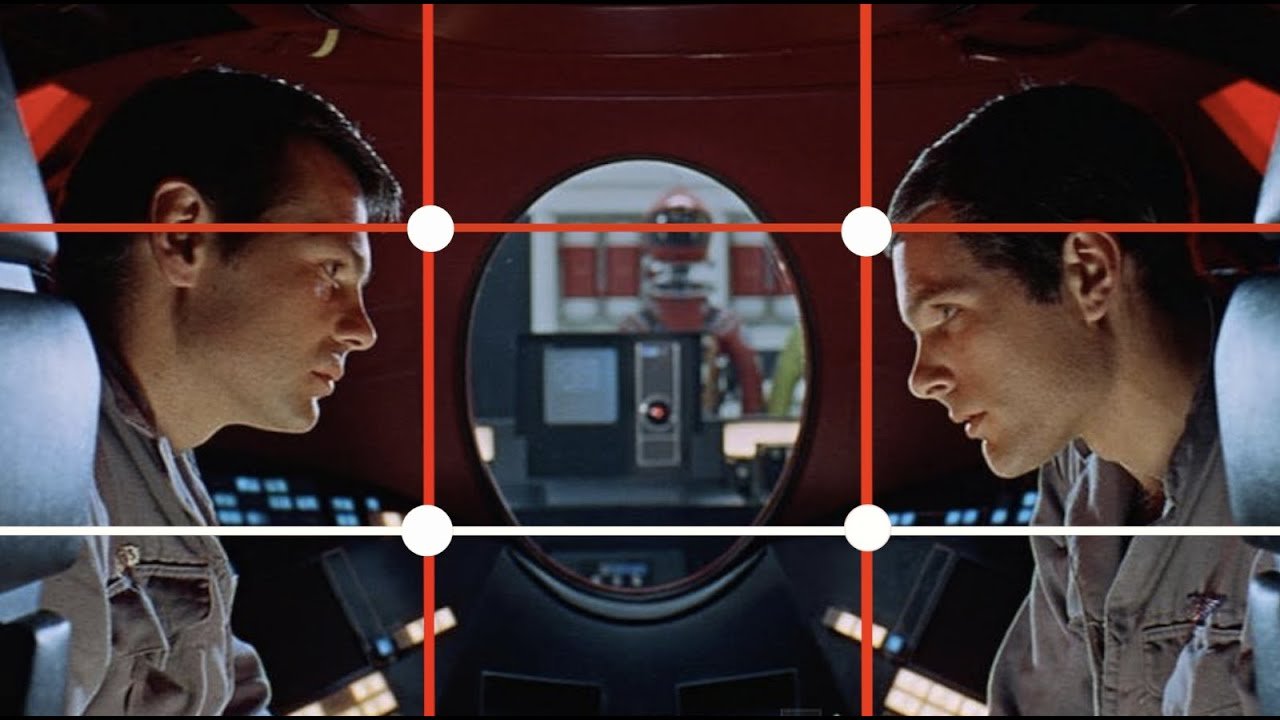
Ever wonder why some photos just feel balanced and engaging, while others fall flat? Often, the secret lies not in expensive gear, but in a fundamental principle of visual composition: The Rule of Thirds.
Far from being a rigid law, the Rule of Thirds is a guideline that can dramatically improve the strength and appeal of your photographs. It's one of the first techniques aspiring photographers learn, and for good reason – it's simple to understand yet incredibly powerful.
What is the Rule of Thirds?
Imagine your photograph divided into nine equal sections by two equally spaced horizontal lines and two equally spaced vertical lines. Think of a tic-tac-toe grid superimposed over your image.
The Rule of Thirds suggests that you should place the important elements of your composition along these lines or, even better, at the points where they intersect. These intersections are often called "power points" or "points of interest."
Why Does it Work?
Placing your main subject directly in the center of the frame can often lead to a static and less dynamic image. The Rule of Thirds encourages you to move your subject slightly off-center, creating a more visually interesting and natural composition.
Natural Eye Flow: Our eyes tend to gravitate towards these intersection points, making photos composed using the rule of thirds more comfortable and engaging to view.
Balance and Harmony: It creates a sense of balance without being perfectly symmetrical, adding visual harmony to your image.
Narrative Power: By positioning elements strategically, you can create leading lines, negative space, and a clearer visual story within your frame.
How to Apply the Rule of Thirds:
Most modern cameras and even smartphone cameras have an option to display a grid overlay on your screen. Turn it on! This is your best friend when practicing this technique.
Here's how to apply it to different subjects:
Horizons: When shooting landscapes, avoid placing the horizon directly in the middle. Instead, align it with either the bottom horizontal line (to emphasize a dramatic sky) or the top horizontal line (to emphasize interesting foreground elements like a field or water).
Example: For a breathtaking sunset, place the horizon on the bottom third line, allowing two-thirds of the frame for the vibrant sky.
Example: If you have beautiful flowers in the foreground of a mountain scene, place the horizon on the top third line, giving more space to the flowers.
Subjects: Place your main subject (a person, an animal, a building) along one of the vertical lines. If your subject has a gaze or is moving in a particular direction, position them on one of the vertical lines such that they have "space to look into" or "move into" the rest of the frame.
Example: For a portrait, position the person's eyes or body along one of the vertical lines.
Example: If a car is driving across the frame, place it on the left vertical line if it's moving right, giving it space to move into.
Points of Interest: Place important elements or details at the intersection points. These are often strong focal points that draw the viewer's eye.
Example: In a still life, place a key object or a distinctive feature of an object at an intersection.
Example: In a landscape, a lone tree, a distinctive rock, or a person could be placed at one of these power points.
Breaking the Rules (Eventually!)
While the Rule of Thirds is a fantastic starting point, remember it's a guideline, not a strict law. Once you understand it and have practiced applying it, you'll intuitively know when to break it for creative effect. Sometimes, a perfectly centered subject is what a photo needs, or perhaps a different composition entirely. But you need to know the rules before you can effectively break them!
Practice, Practice, Practice!
The best way to master the Rule of Thirds is to actively practice it.
Turn on your camera's grid.
Look for opportunities to apply the rule in your everyday shots.
Review your photos and identify where you used it effectively (or where you could have).
By consciously thinking about composition, you'll soon find yourself creating more dynamic, balanced, and visually appealing photographs. Happy shooting!
Check out Buddisystems
Sign up for Buddisystems today and unlock a world of creative possibilities!