

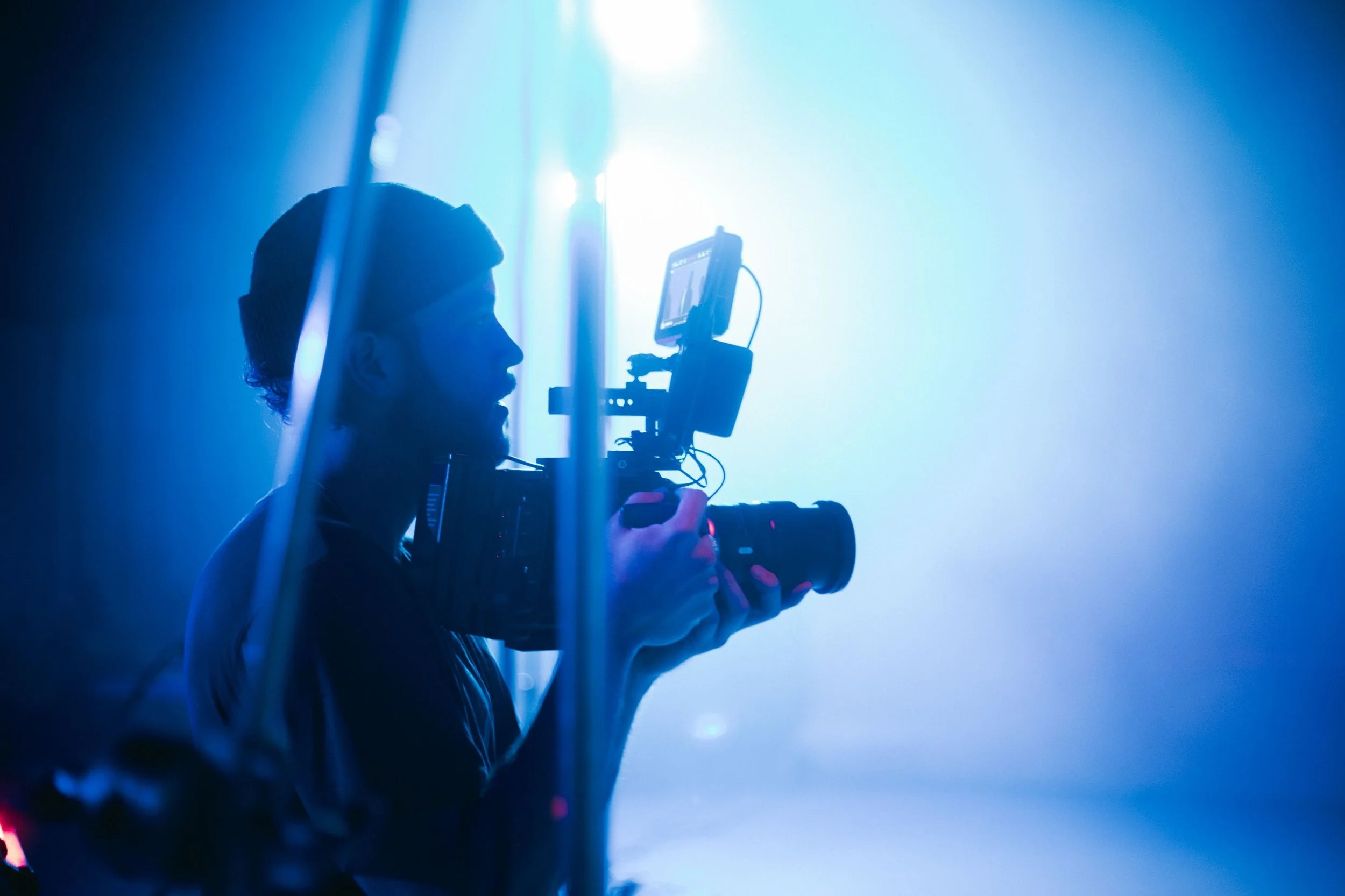
The Role of the Cinematographer: Beyond Point-and-Shoot
When most people think of a film crew, they picture the director calling "action!" or the actors delivering dramatic monologues. But the person responsible for how those moments actually look, feel, and resonate on screen is the Cinematographer, also known as the Director of Photography (DP or DoP).

Time-Lapse Photography for Filmmakers: Capturing Change
Time-lapse photography is one of the most powerful visual techniques in a filmmaker's toolkit, compressing hours, days, or months into seconds to reveal the hidden rhythms of dynamic environments. Whether you are tracking atmospheric weather shifts, city light cycles, or multi-week construction projects, mastering time-lapse requires a deliberate blend of planning, precise camera settings, and post-production control.
Sound Design: Beyond Just Dialogue and Music
When most people think about a movie or video game's soundtrack, their minds instantly go to two obvious elements: spoken dialogue and the musical score. But behind every iconic scene is an invisible architect working in the shadows—the sound designer.
Developing Compelling Characters for Your Narrative
Every unforgettable story—whether it’s an epic space opera, a high-stakes corporate drama like Entourage, or a deeply personal character study—lives and dies by its characters. Audiences might come for a thrilling plot, but they stay because they care about the people driving it.
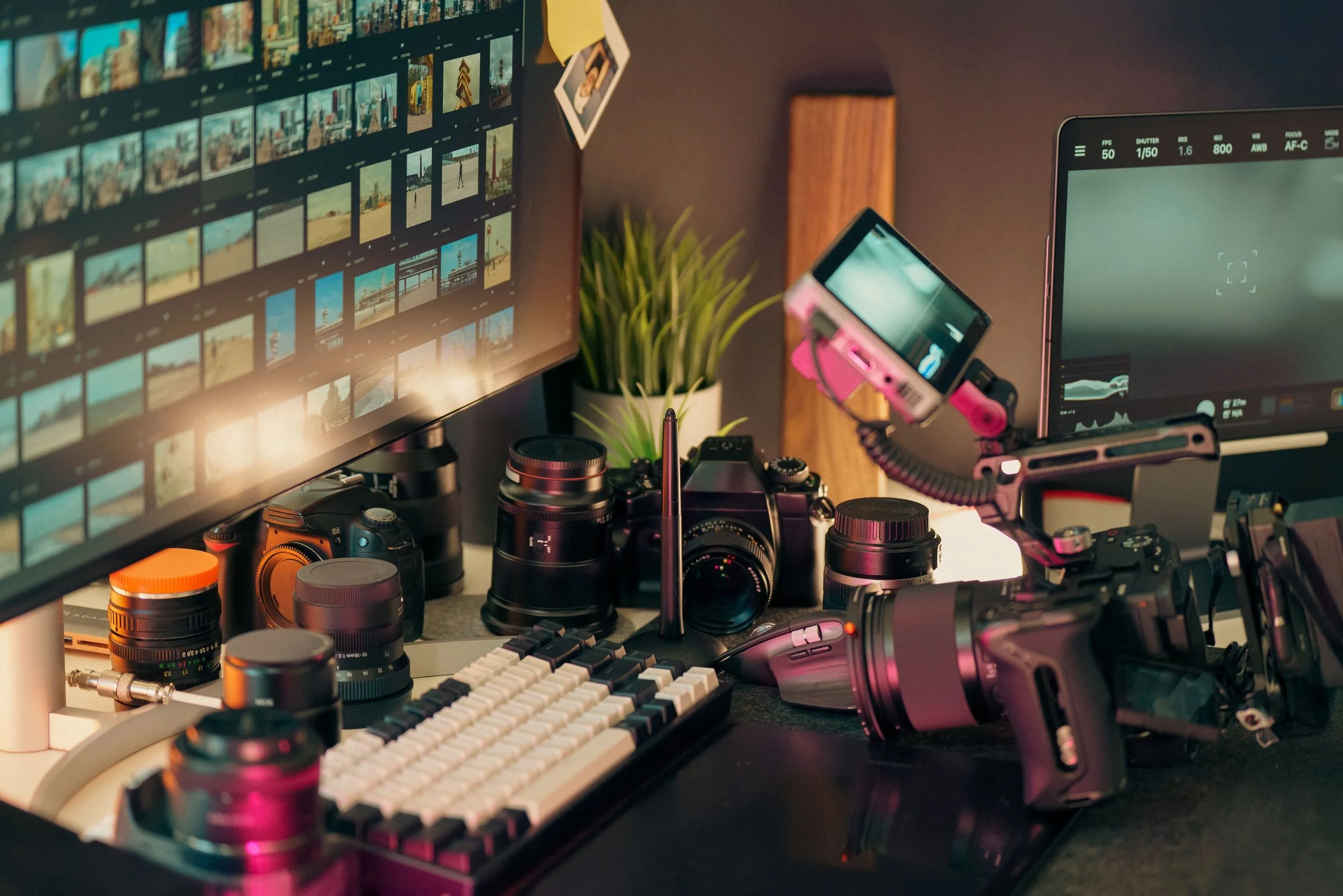
Collaborative Editing Workflows: Tools and Tips
In the golden age of content creation, video editing is rarely a solo sport. Whether you are a small creative team building an indie brand, an animator sending frames to a director, or a production house passing a timeline down the pipeline from rough cut to color grading, collaboration is the secret to scaling your output.
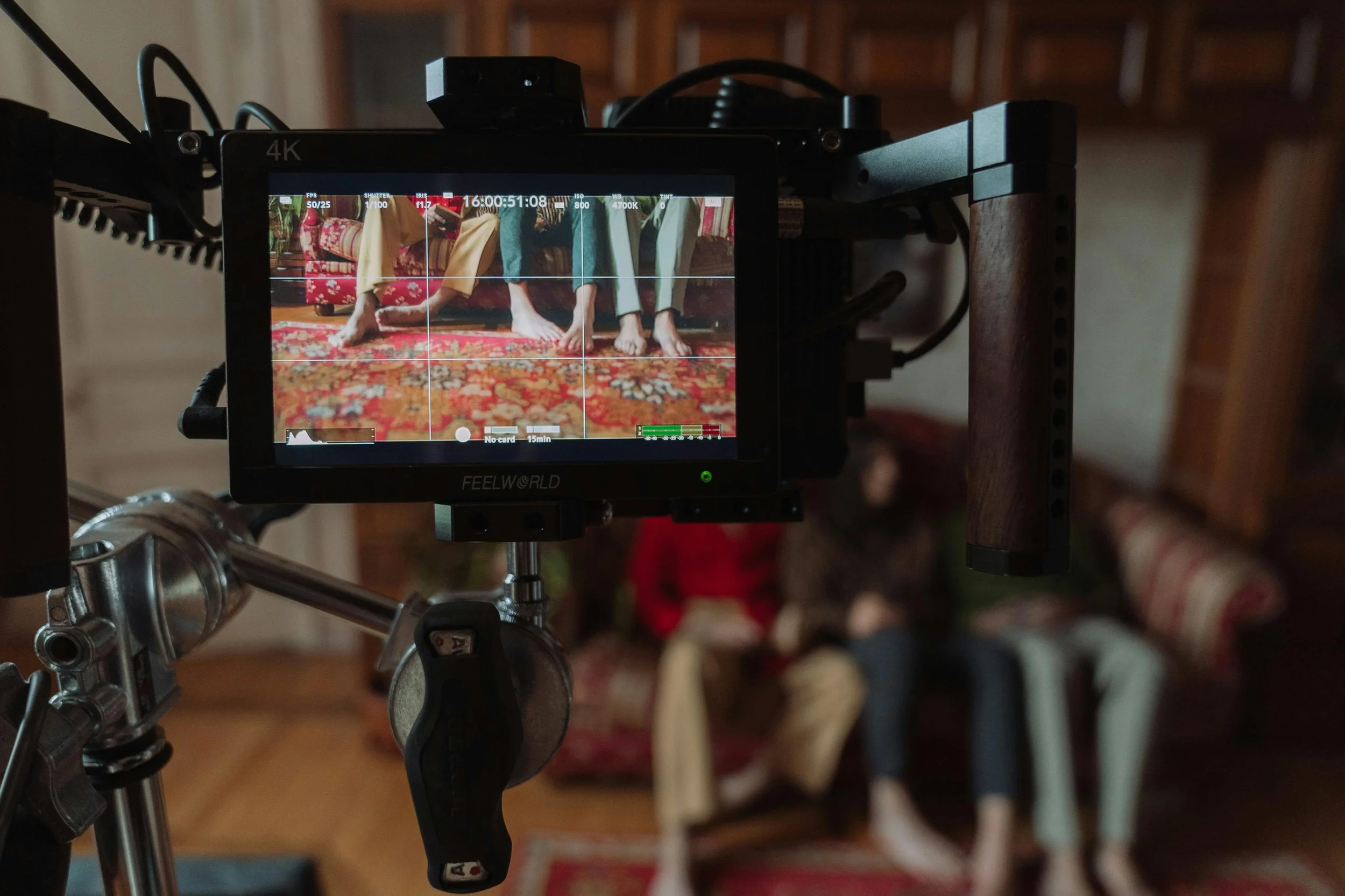
Understanding Aspect Ratios: What They Are and Why They Matter
In the world of visual storytelling, whether you are producing a high-octane superhero epic like The Matrix or a record-shattering blockbuster like Avengers: Endgame, one of the most critical decisions you make happens before you even hit "Record." It’s the choice of Aspect Ratio.
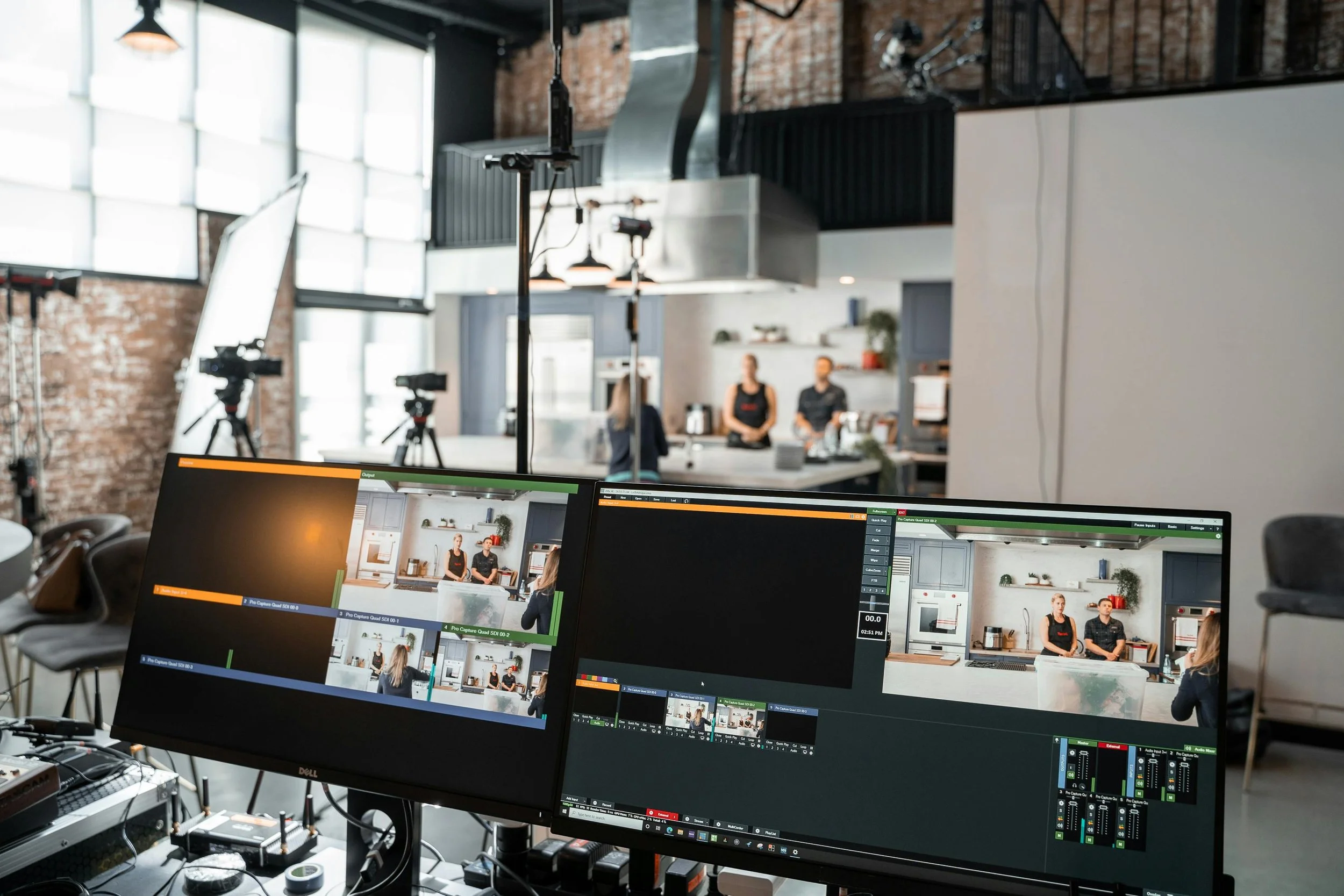
Troubleshooting Common On-Set Problems (And How to Fix Them)
Even the most meticulously planned productions—from the high-budget sets of Avengers: Endgame to independent stop-motion shorts—encounter unexpected hurdles. The difference between a successful shoot and a total shutdown often comes down to how quickly you can troubleshoot.
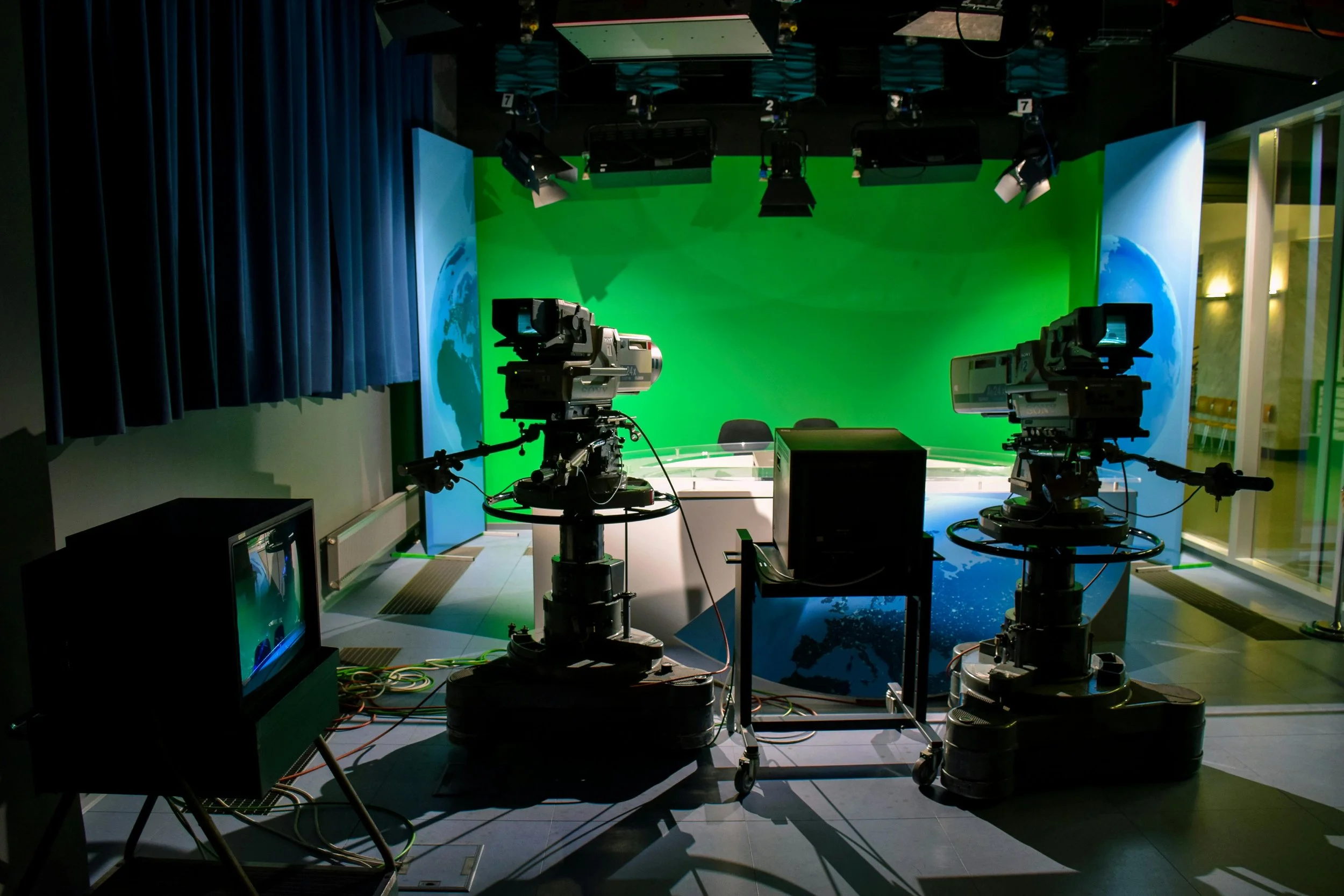
Mastering Green Screen: Tips for Seamless Compositing
The "magic" of modern cinema often relies on the ability to transport characters to impossible worlds, from the enchanted castles of Beauty and the Beast to the sprawling kingdoms of Game of Thrones. This is achieved through Chroma Keying, or green screen compositing. While high-end studios make it look easy, achieving a professional, seamless composite requires more than just a green backdrop; it requires precision in lighting and technical setup.
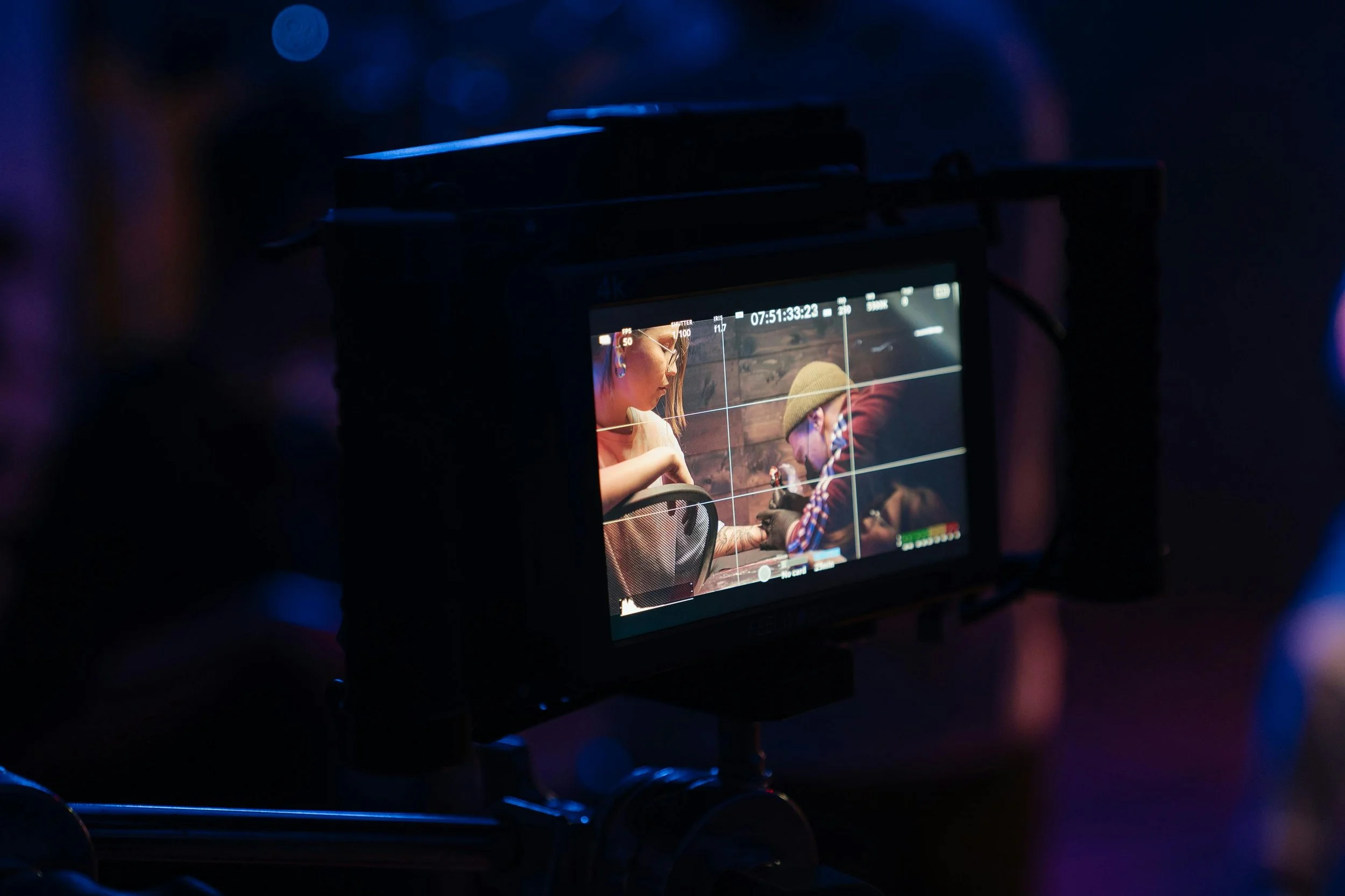
The Rule of Thirds: The "Secret Sauce" of Great Composition
Have you ever looked at a photo or a film frame and felt like it just worked, even if you couldn't explain why? More often than not, the secret behind that professional "feel" is a simple yet powerful technique called The Rule of Thirds.
Stop Motion Animation: A Guide to Bringing Objects to Life
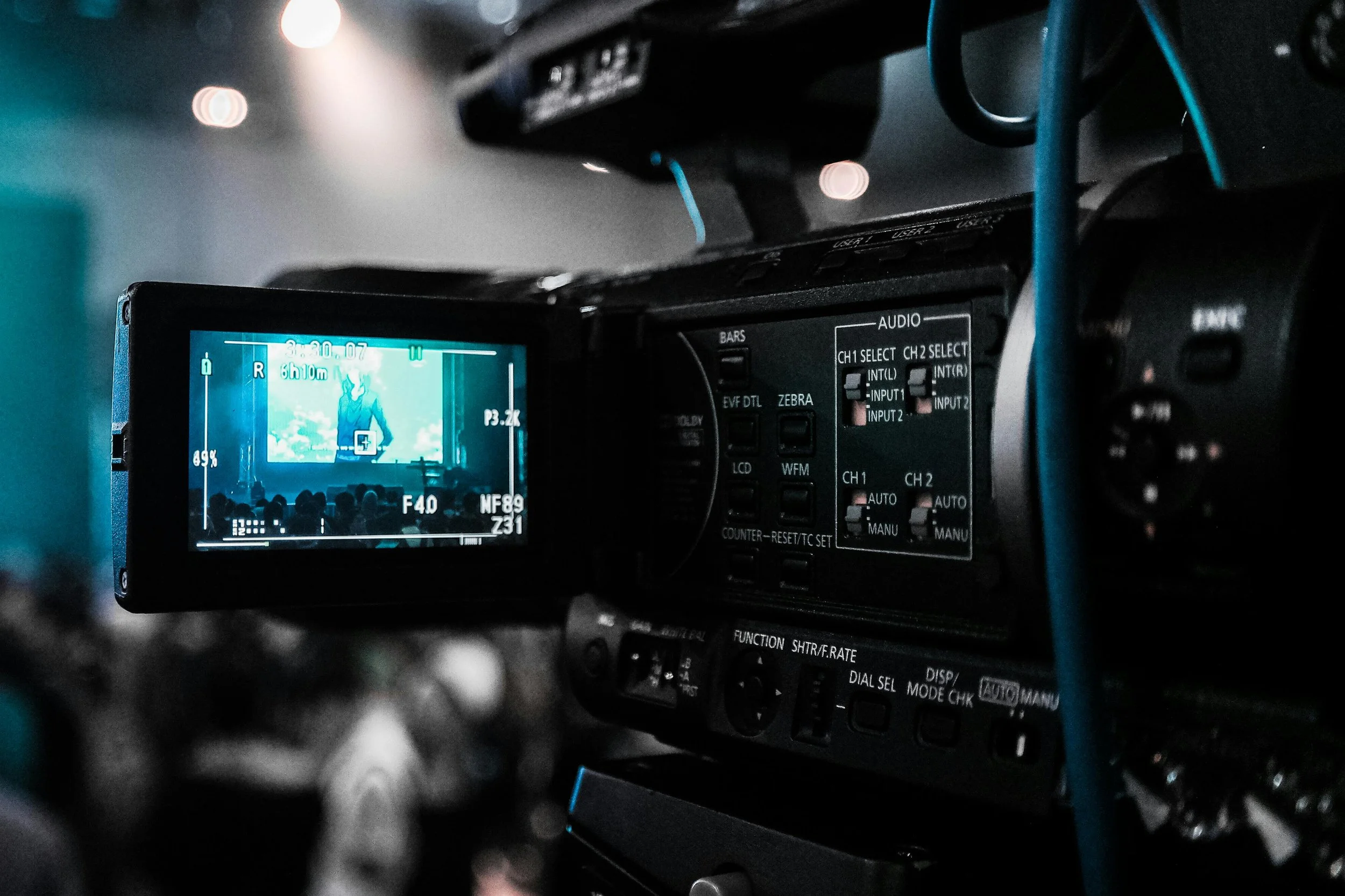
Stop motion animation is the ultimate "movie magic." Unlike CGI, where everything exists in a digital void, stop motion is tactile, physical, and wonderfully imperfect. It is the art of taking a static object—a piece of clay, a puppet, or even a coffee mug—and making it breathe, walk, and talk through thousands of tiny, incremental movements.
Adding Visual Effects (VFX) on a Budget
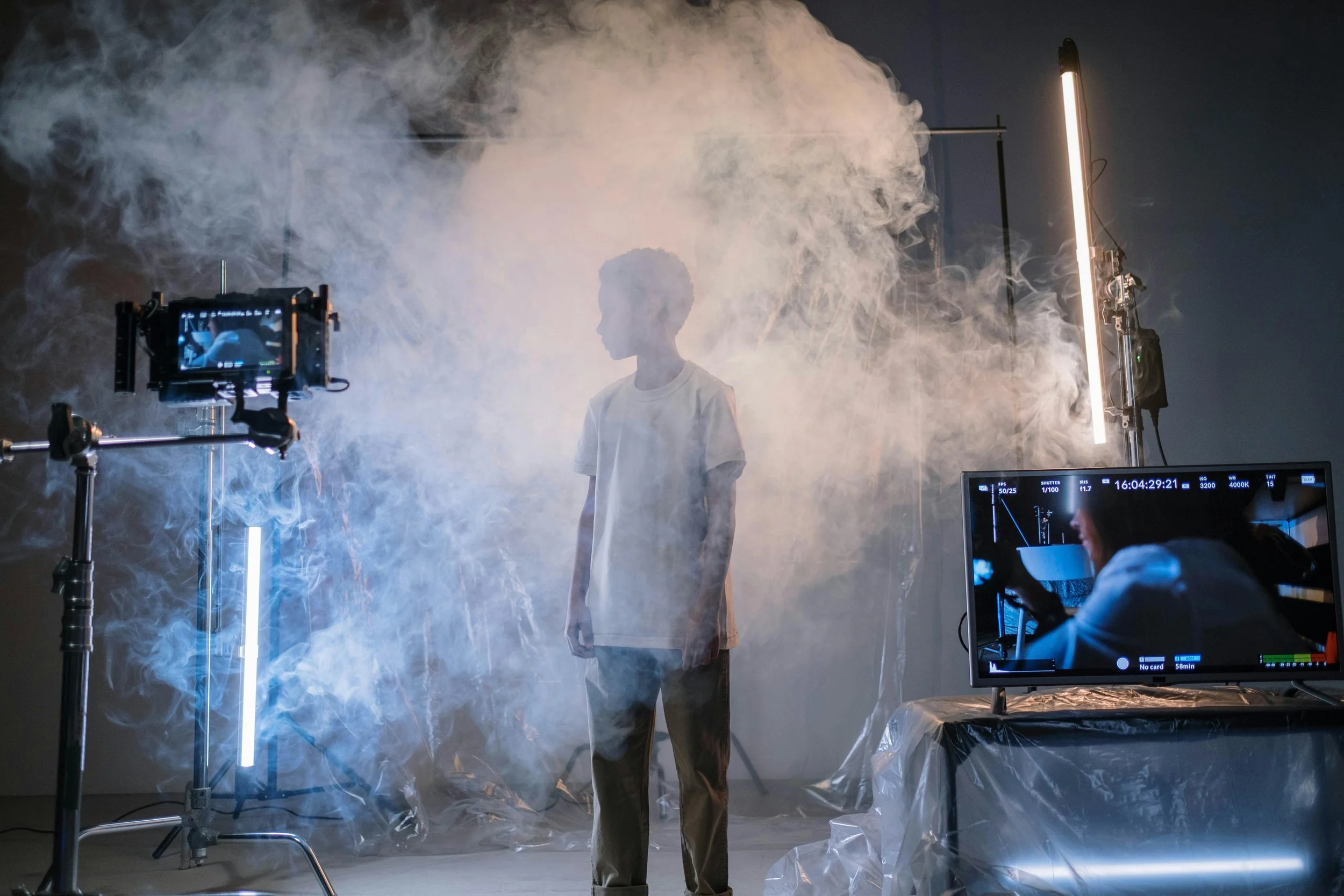
The dream of "Hollywood-style" visual effects often comes with the nightmare of Hollywood-sized invoices. However, in 2026, the barrier to entry has officially collapsed. Whether you are an indie filmmaker or a content creator, you no longer need a multi-million dollar render farm to create movie magic.
Basic Video Editing for Beginners: Choosing Your Software
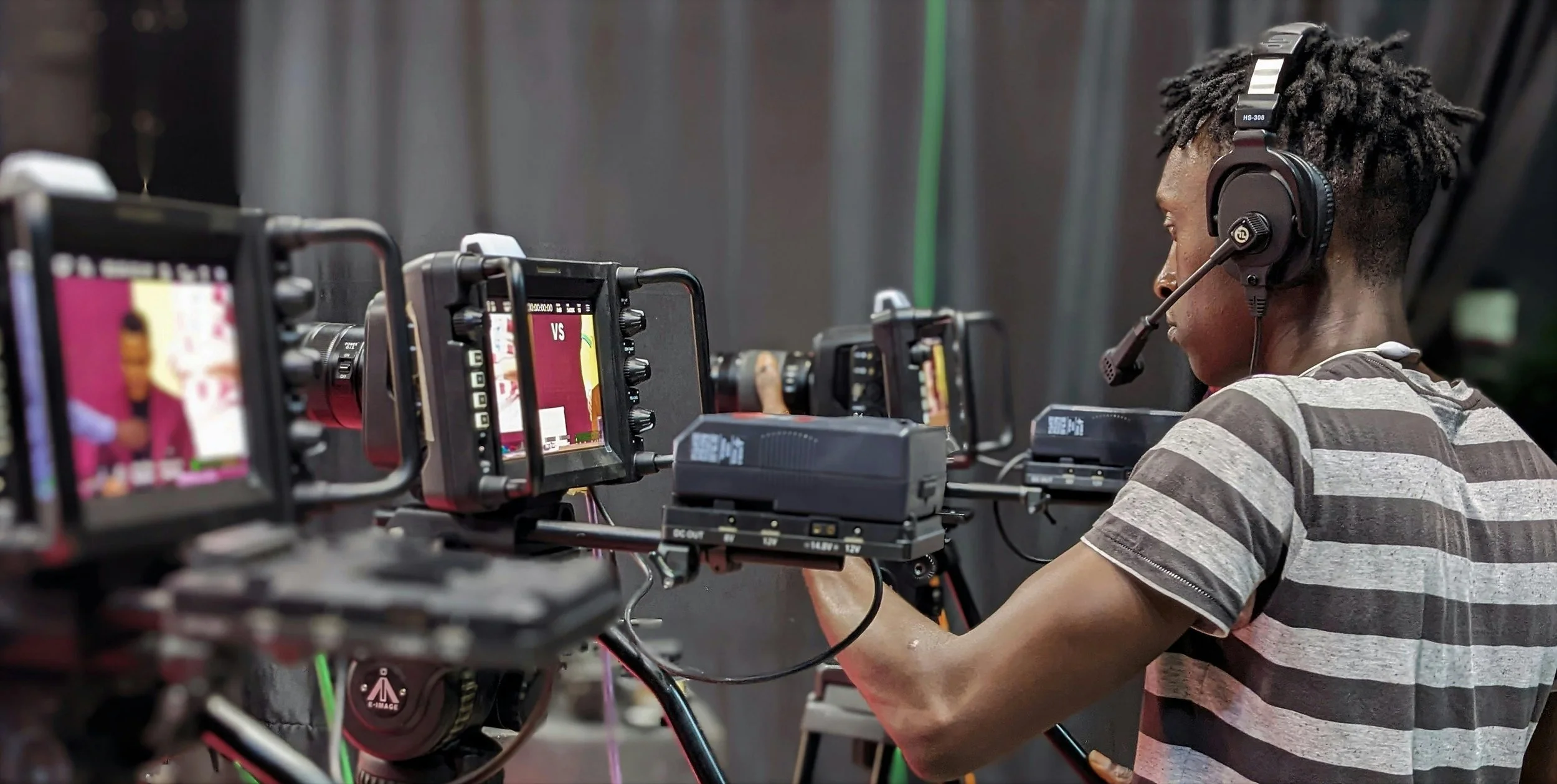
Choosing the right video editing software as a beginner can feel like standing in the middle of a massive gear house—exciting, but totally overwhelming. In 2026, the gap between "easy-to-use" and "professional-grade" has narrowed significantly, meaning you can get Hollywood-style results without a Hollywood budget (or a degree in computer science).
Slow Motion: The Magnifying Glass of Emotion
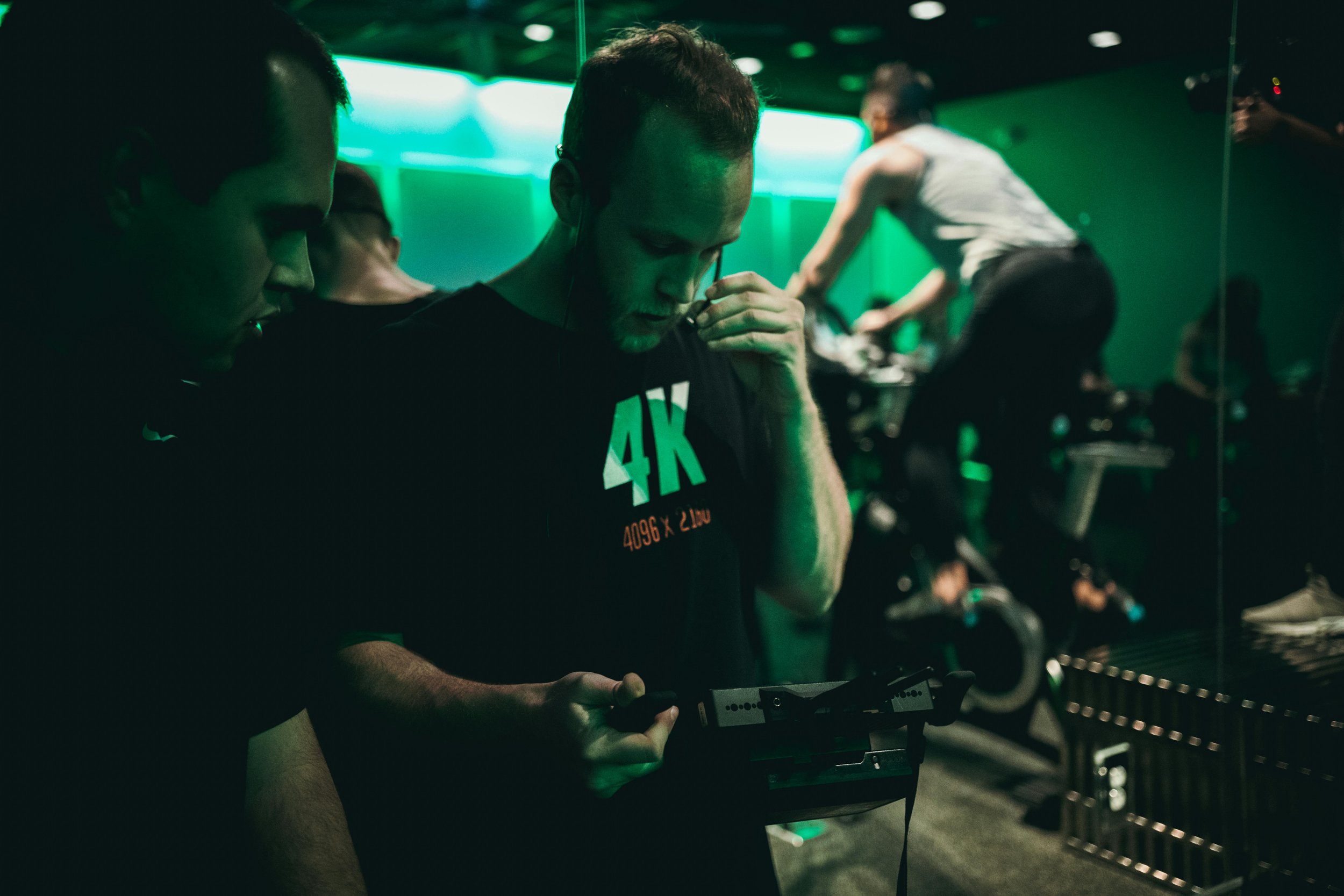
Slow motion (overcranking) isn't just about making things look "cool." It’s a psychological tool used to pull the audience into a character's internal state or to highlight details the human eye normally misses.
Music Video Production: From Concept to Release
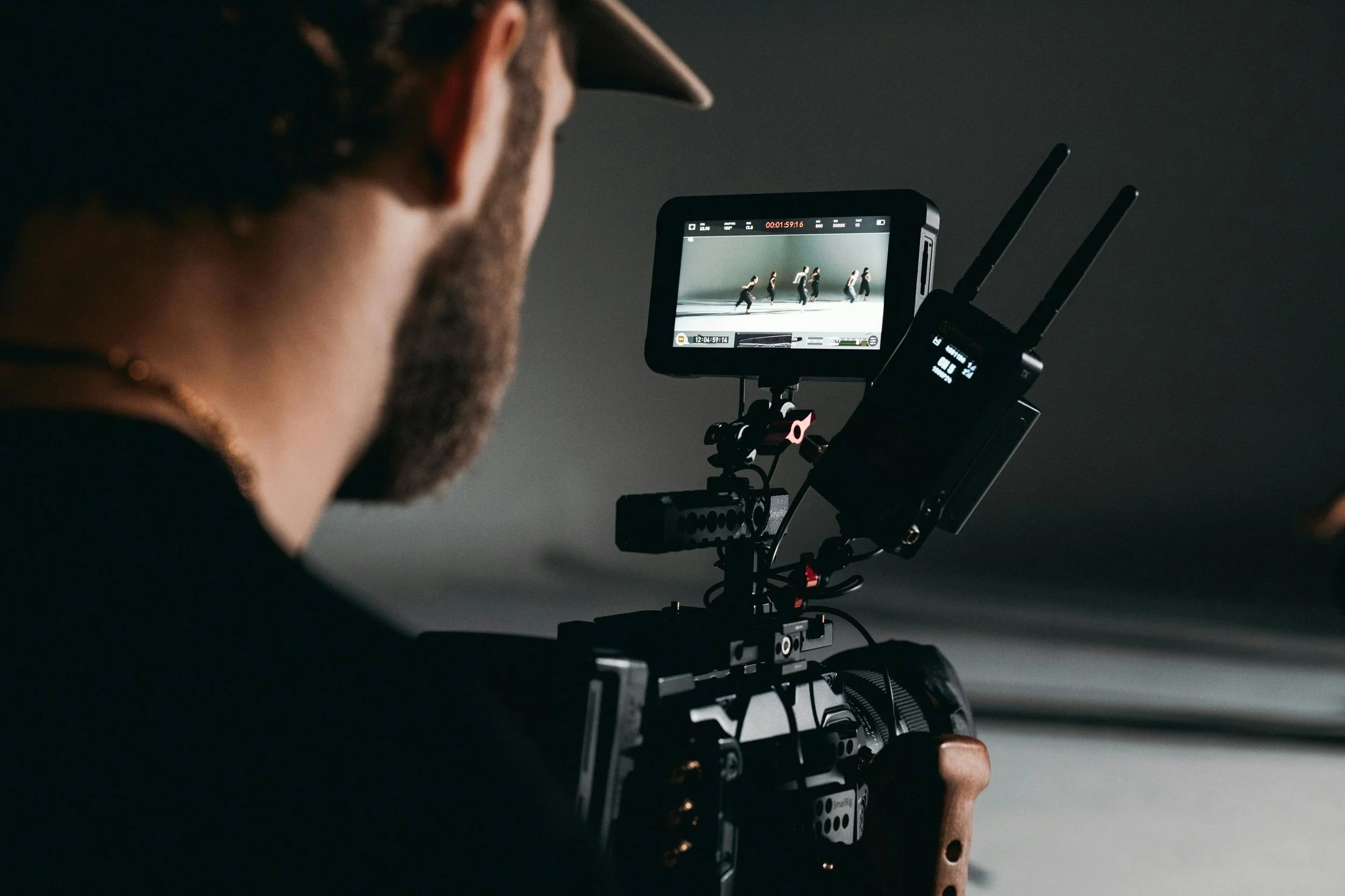
In the digital age, a song isn't just something you hear—it’s something you experience. A compelling music video can turn a local track into a global viral moment, but the journey from a rough demo to a YouTube premiere is a complex marathon of moving parts.
Working with Natural Light: Maximizing Your Environment
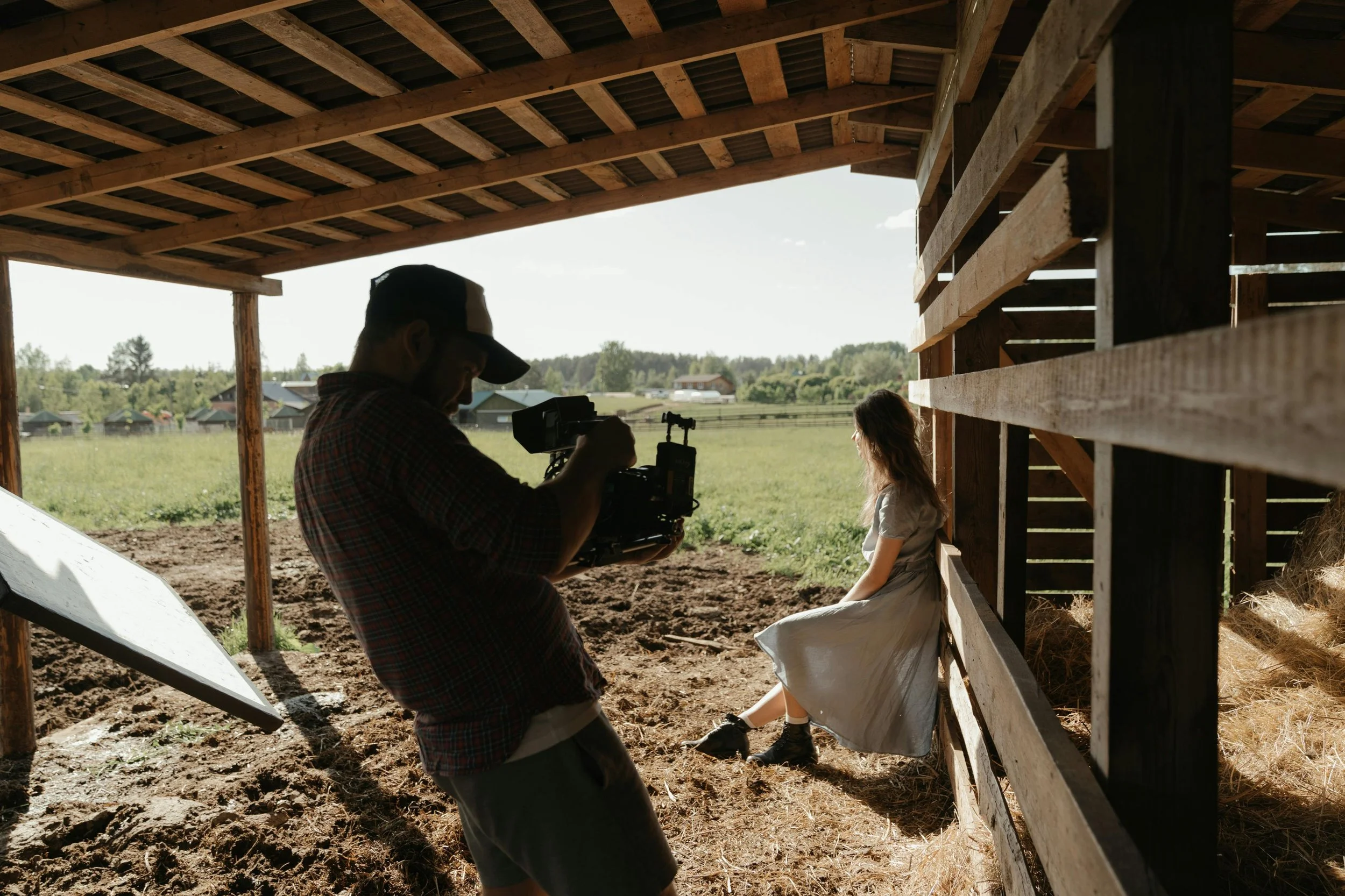
High production value doesn’t always require a massive electrical budget. Some of the most iconic scenes in cinema history were shot using nothing more than the sun and a few clever tools. Natural light offers an authenticity and "organic" feel that artificial lights often struggle to replicate.
Sound Recording On Set: Avoiding Common Pitfalls
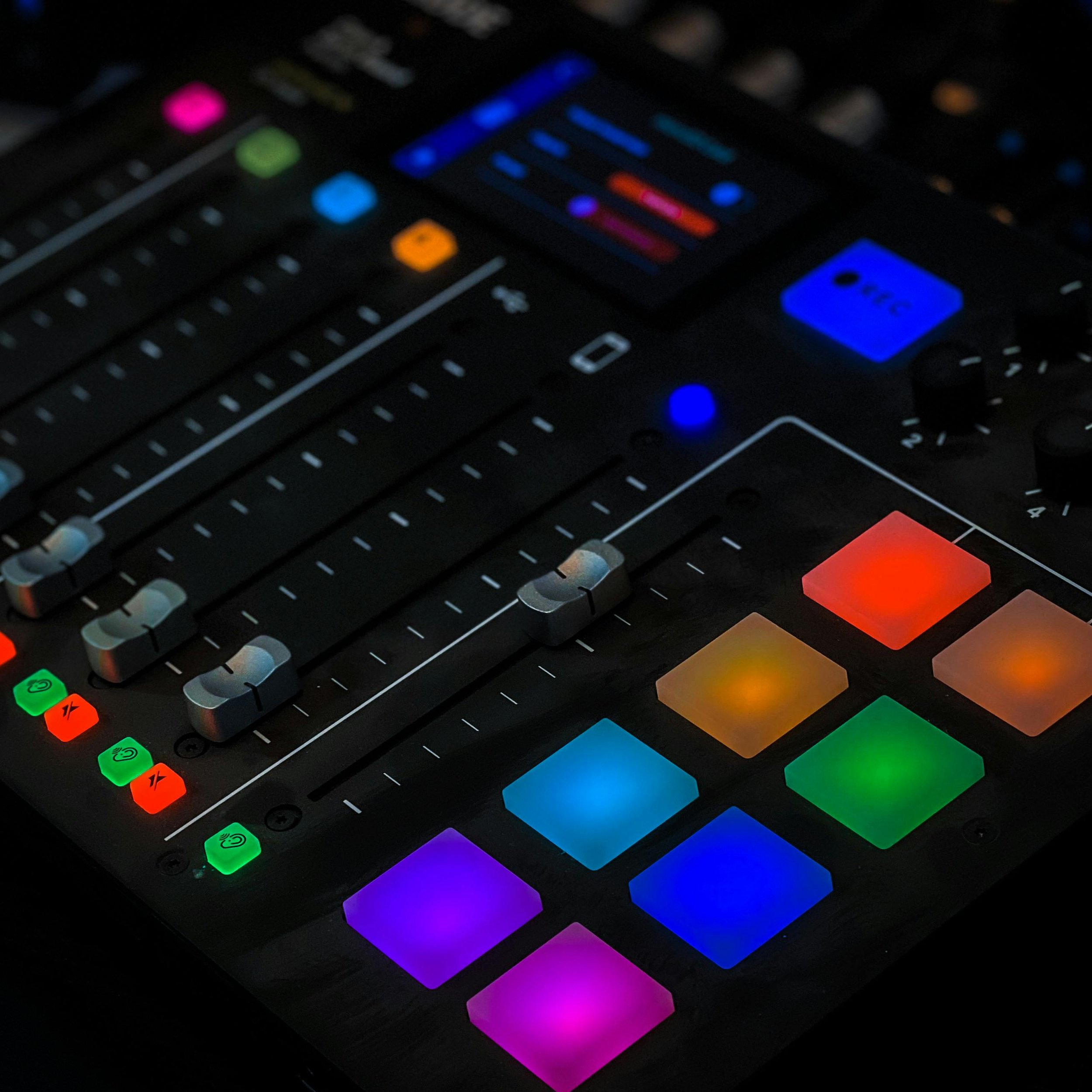
They say that sound is 50% of the cinematic experience, but on most indie sets, it’s often the last 5% of the budget and the first thing to be compromised. While audiences might forgive a slightly soft focus or a grainier shot, they will immediately tune out if the dialogue is muffled, echoey, or inconsistent.
Color Grading Basics: Setting the Mood of Your Film
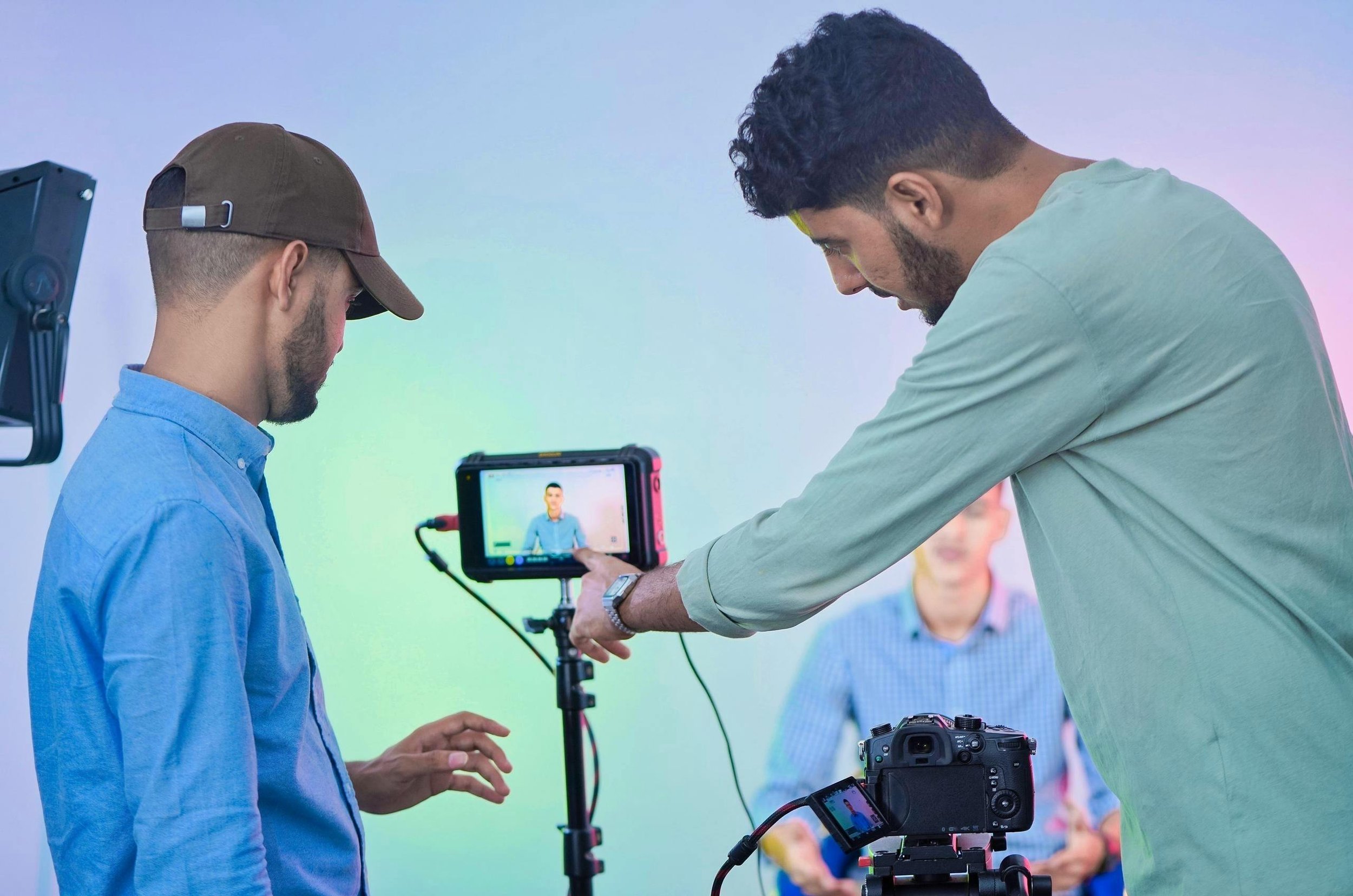
In the world of filmmaking, if the script is the soul and the cinematography is the body, then color grading is the emotion. It is one of the most powerful tools in a director’s or editor's arsenal—the final layer of storytelling that tells the audience exactly how they should feel about what they are seeing.
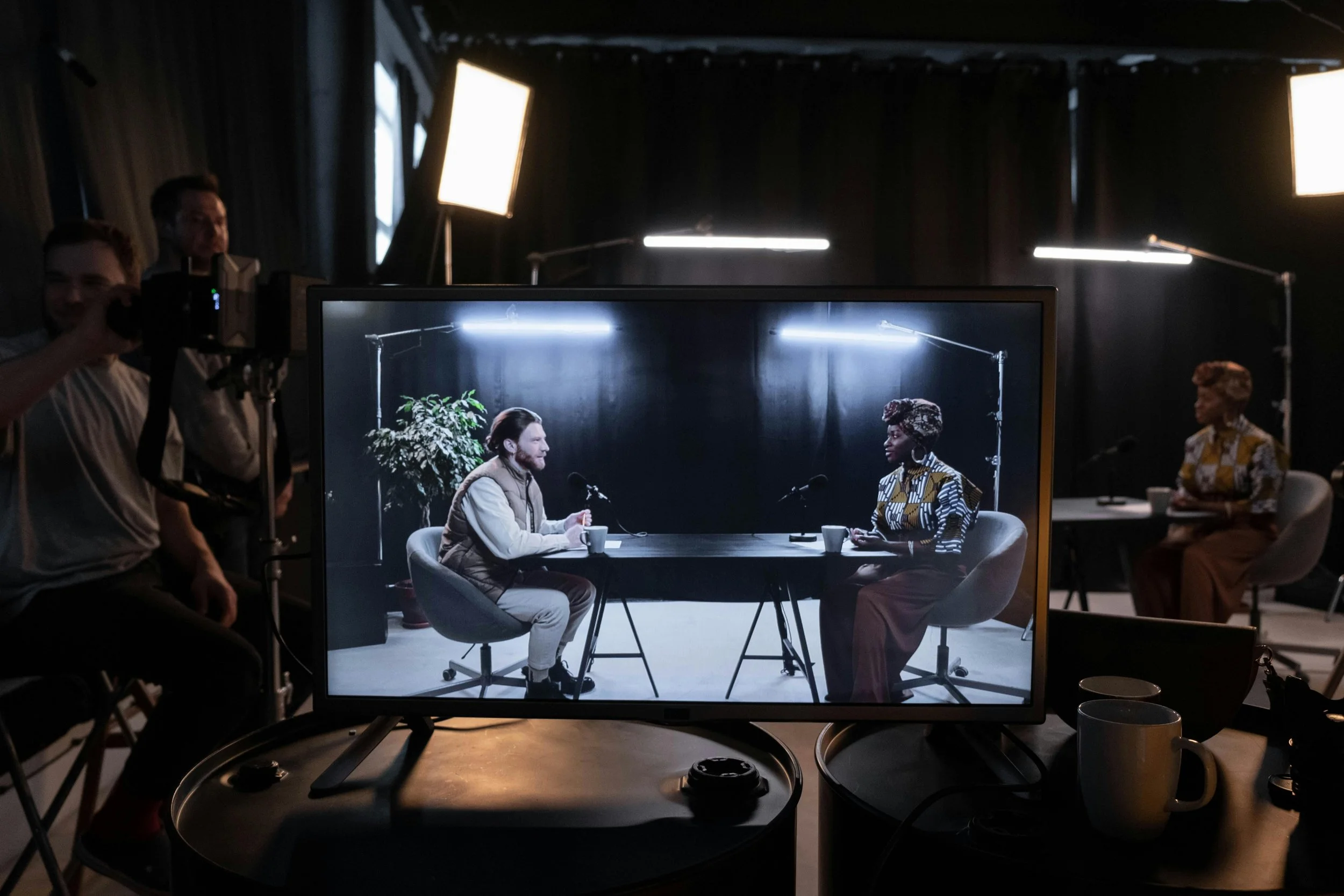
DIY Lighting Hacks for Independent Filmmakers
One of the biggest hurdles for indie filmmakers isn't the camera—it’s the lighting. Professional cinema lights can cost thousands of dollars, but cinematic visuals aren't about how much you spend; they’re about how you shape and control the light you have.

2025 Tax Updates for Musicians & Filmmakers: What Independent Contractors Need to Know
If you’re a musician, filmmaker, or creative professional working as an independent contractor—or hiring freelancers—there are important 2025 tax updates you should understand before filing.

Exploring Drone Cinematography: Legality and Creative Uses
Drone technology has revolutionized filmmaking, offering breathtaking aerial perspectives that were once only achievable with expensive helicopters or complex rigging. From sweeping landscapes to dynamic chase scenes, drones provide an unparalleled cinematic tool. However, with this incredible creative freedom comes a significant responsibility to understand and adhere to the legal landscape, ensuring your aerial shots are not only stunning but also compliant.