

The Importance of Pre-Visualization in Modern Filmmaking
Written by: The Buddi Team
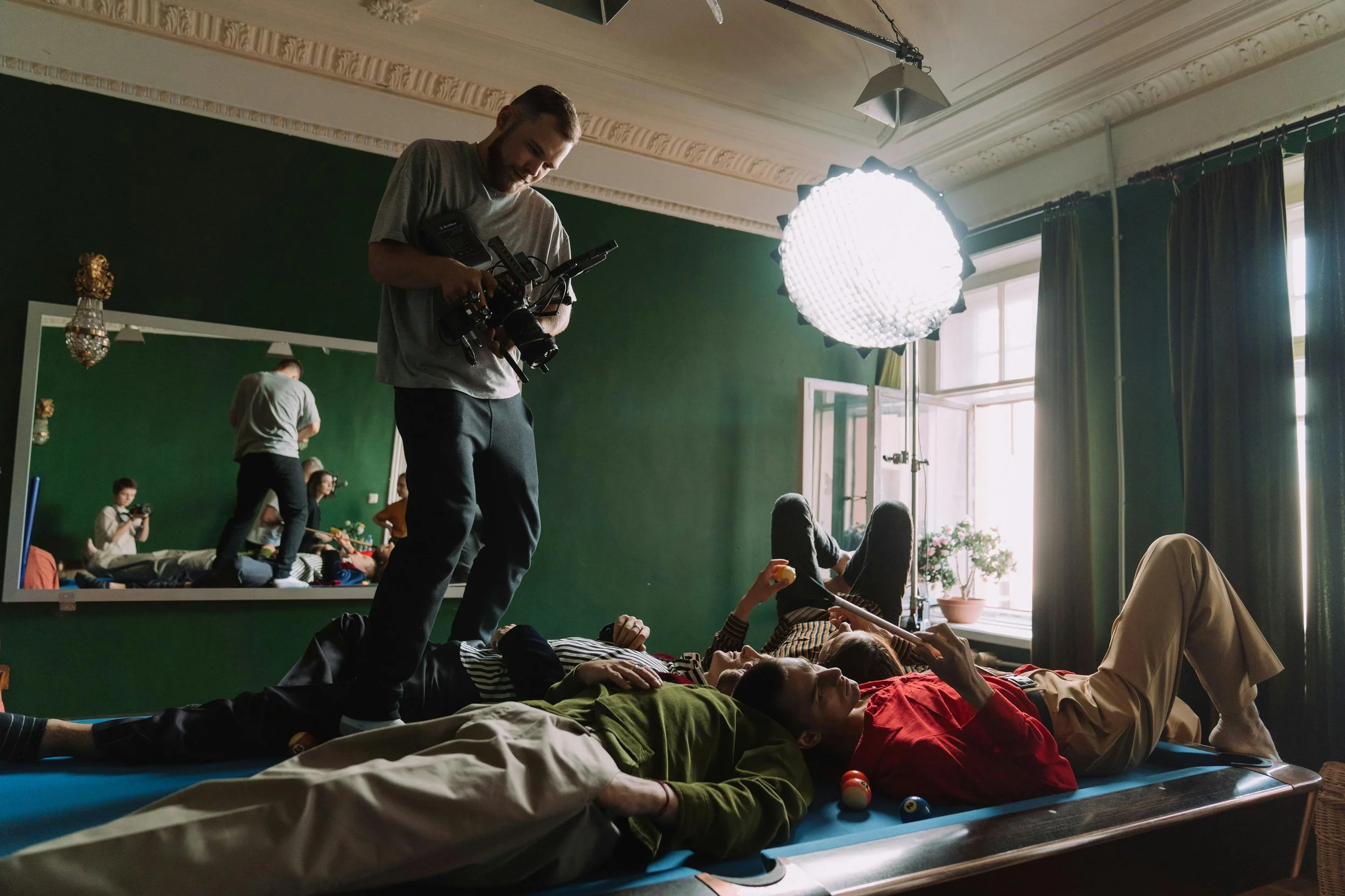
In the complex, fast-paced world of modern filmmaking, every second on set translates directly into budget and efficiency. While creativity might seem spontaneous, successful execution often relies on meticulous planning. This is where pre-visualization (pre-viz) steps in, transforming abstract ideas into concrete visual blueprints long before cameras roll.
Pre-visualization is essentially the process of creating preliminary versions of shots or sequences to plan out how a scene will be filmed. It's an umbrella term that includes everything from simple storyboards to complex animated sequences, and its importance in today's productions cannot be overstated.
Why Pre-Visualization is More Critical Than Ever
Cost Efficiency: This is perhaps the most significant benefit. Identifying potential problems and making creative adjustments in pre-production (when it costs cents) saves thousands, if not millions, in post-production or reshoots (when it costs dollars). A pre-viz can help streamline equipment rental, crew scheduling, and special effects planning, avoiding costly on-set delays.
Clarifies Creative Vision: Directors, DPs, Production Designers, and VFX Supervisors can all align on a precise visual strategy. A pre-viz leaves little to no room for ambiguity, ensuring everyone is literally on the same page about framing, blocking, camera movement, and artistic intent.
Enhances Communication: It serves as a universal language. Instead of abstract verbal descriptions, a pre-viz provides concrete visuals that bridge communication gaps between departments (e.g., "The camera tracks from here to here, revealing the monster at this specific frame").
Optimizes Complex Scenes: For action sequences, elaborate VFX shots, stunts, or intricate set pieces, pre-viz is indispensable. It allows filmmakers to test out different approaches, choreograph movements, and ensure logistical feasibility and safety long before a single piece of equipment is brought to location.
Facilitates Funding and Buy-In: A compelling pre-visualization can be a powerful tool for pitching to studios, investors, or clients. It allows them to see and believe in the project's visual potential, making it easier to secure necessary funding or approvals.
Common Forms of Pre-Visualization
The level of sophistication in pre-viz can vary widely depending on the project's scale and budget:
Storyboards: Hand-drawn or digital comic-book-like panels illustrating key shots, camera angles, and character actions. Simple, cost-effective, and still widely used.
Animatics: Basic animated storyboards, where storyboard panels are edited together with temporary sound (dialogue, music, sound effects) and timed out to the scene's duration. This gives a better sense of pacing.
Shot Lists & Overhead Diagrams: Detailed textual descriptions of shots paired with overhead maps illustrating camera and actor blocking.
Tech-Viz: More technical pre-viz focusing on specific camera gear, crane movements, or complex rigging.
3D Pre-Viz / Virtual Production: Using 3D software (like Unreal Engine, Maya) to create fully rendered virtual versions of sets, characters, and camera movements. This is especially common for VFX-heavy films, allowing directors to "shoot" scenes in a virtual environment.
Stunt-Viz: Pre-visualizing complex stunt sequences with stunt performers, sometimes filmed on phones or simple cameras, to plan choreography and safety.
The Modern Filmmaking Workflow
In many contemporary productions, pre-visualization is seamlessly integrated into the workflow. Directors might start with storyboards, then move to animatics for critical sequences, and for VFX-heavy films, spend weeks or months in a virtual production environment, making creative decisions that once would have been made on a live set or in expensive post-production.
The rise of accessible 3D tools and virtual production technologies means that even independent filmmakers can now leverage sophisticated pre-viz techniques to elevate their projects without breaking the bank.
Conclusion
Pre-visualization is no longer just a luxury for blockbusters; it's a vital component of efficient, effective, and creatively sound filmmaking at every scale. By investing time in mapping out your visual strategy early, you empower your team, clarify your vision, and ultimately pave the way for a smoother, more successful production that truly brings your story to life.
Check out Buddisystems
Sign up for Buddisystems today and unlock a world of creative possibilities!