

Building Your Dream Team: Key Roles on a Film Set
Written by: The Buddi Team
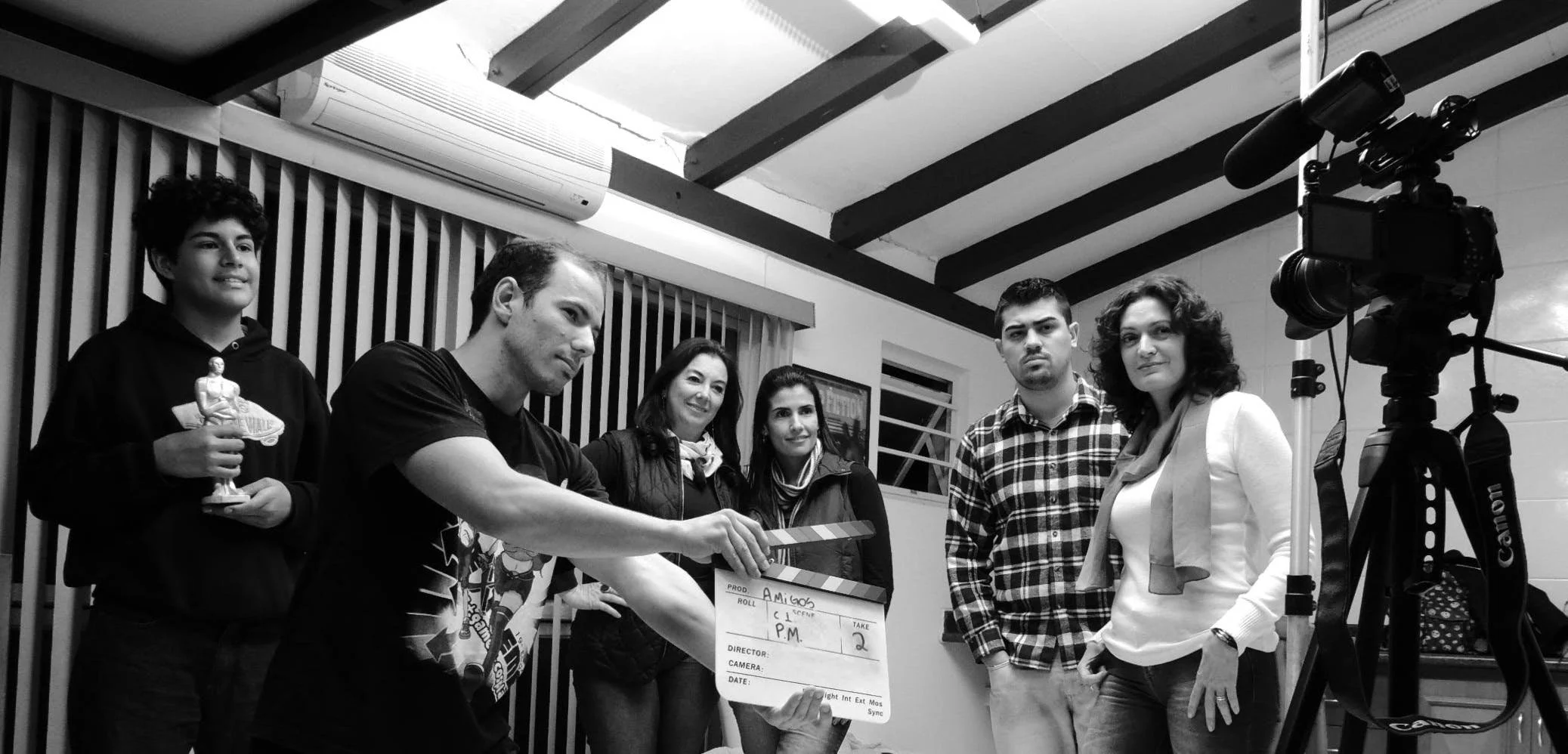
The image of a lone creator with a camera is romantic, but filmmaking is fundamentally a team sport. Whether you’re shooting a blockbuster or a bare-bones independent project, the success of your vision hinges on the expertise and communication of the talented individuals around you.
A well-organized set relies on clearly defined roles, each responsible for a distinct pillar of the production. Building your dream team means finding dedicated people to cover these essential departments.
1. The Creative Core (Above the Line)
These roles guide the vision and funding of the entire project:
Producer: The ultimate manager and financier. The Producer selects the script, secures the funding, hires the key crew, and oversees the entire production process from development to distribution, ensuring the project is completed on time and budget.
Director: The primary creative visionary. The Director translates the script into a visual medium, guiding the actors' performances, dictating the camera's position, and controlling the overall tone, pacing, and flow of the film.
Screenwriter: Responsible for crafting the original story, characters, and dialogue that serve as the blueprint for the entire production.
2. The Visual Architects (Camera & Lighting)
This team brings the director's visual concept to life:
Director of Photography (DP) / Cinematographer: The head of the camera and lighting departments. The DP works closely with the Director to determine the film's visual style, including composition, camera movement, and lighting design.
Gaffer (Chief Lighting Technician): The head of the electrical department. The Gaffer executes the DP’s lighting plan, managing all the lamps, power, and cabling on set.
Key Grip: The head of the Grip department. The Key Grip works alongside the Gaffer and DP to provide all non-electrical support for the camera and lighting, such as rigging, setting up dollies, and using flags or silks to shape light.
1st Assistant Camera (1st AC / Focus Puller): Responsible for keeping the camera in sharp focus throughout every shot—a precise and critical technical skill.
3. The Logistical Command (Assistant Directors & Production)
These roles ensure the set runs safely, on schedule, and on budget:
1st Assistant Director (1st AD): The set manager. The 1st AD is responsible for creating and executing the shooting schedule, maintaining safety, and coordinating the hundreds of moving parts (actors, crew, equipment) to keep the production moving efficiently.
Production Manager (PM) / Line Producer: Manages the day-to-day logistics and the budget for the below-the-line costs (crew salaries, equipment rental, etc.). The PM ensures the physical production stays within its financial limits.
Script Supervisor (Continuity): The eyes and memory of the film. The Script Supervisor meticulously tracks every detail of every take—dialogue changes, actor movements, prop placements, and wardrobe—to ensure seamless continuity from one shot to the next.
4. The World Builders (Art & Design)
This department is responsible for everything you see on screen that is not an actor:
Production Designer: Conceptualizes and oversees the entire visual look of the film, including sets, locations, costumes, and props. They define the world's atmosphere.
Art Director: Works under the Production Designer, managing the artists, set designers, and builders who execute the design plan.
Prop Master: Responsible for acquiring, managing, and maintaining all the props (items handled by actors) used in the film.
Final Takeaway
Every single role on set—from the highest-paid producer to the essential Production Assistant (PA)—is vital. A successful shoot is a symphony of coordinated effort. When you build your team, look not only for skill but also for trust, clear communication, and a shared passion for the story you are trying to tell.

Check out Buddisystems
Sign up for Buddisystems today and unlock a world of creative possibilities!