

Mastering Camera Movement: From Static to Dynamic Shots
Written by: The Buddi Team
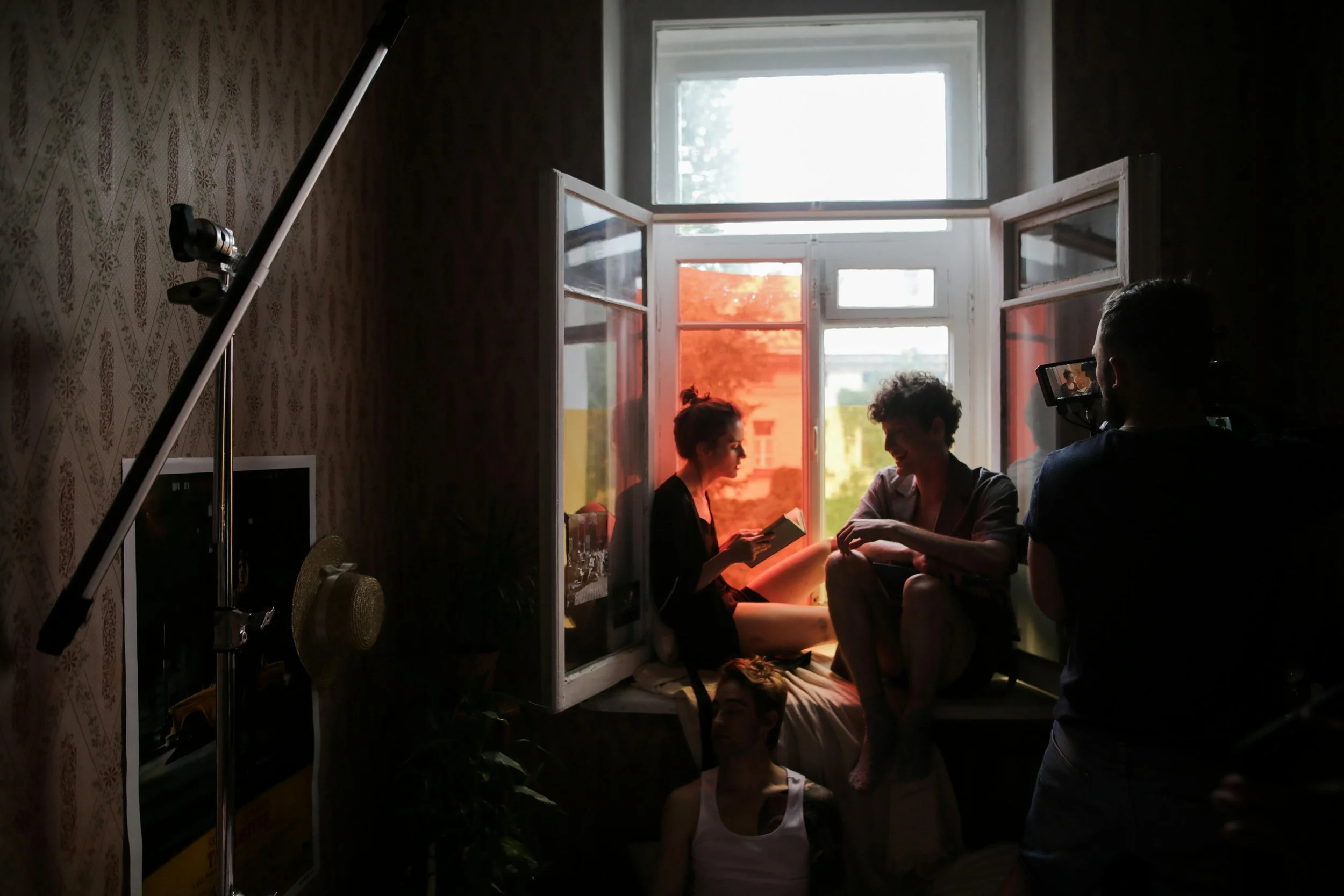
The camera is more than just a recording device; it is the audience's eyes and emotional compass. Every decision you make about camera placement and movement—or the deliberate lack of it—is a powerful storytelling choice. Mastering this language, moving seamlessly from static, composed frames to dynamic, flowing sequences, is what transforms a simple video into cinematic art.
Here is your guide to understanding and deploying the full spectrum of camera movement.
1. The Power of Stillness: Static Shots
A static (or locked-off) shot is achieved when the camera is completely stationary, usually on a sturdy tripod. Don't mistake stillness for simplicity; it is one of the most powerful tools in a director's arsenal.
When to Choose Static:
Composure and Control: Static shots lend a sense of stability, formality, or professionalism (ideal for interviews, corporate announcements, or formal portraits).
Intimacy and Contemplation: By eliminating movement, the camera forces the audience to focus on what matters most: the details within the frame, such as an actor’s subtle expression, a vital prop, or the nuances of dialogue.
Building Tension: A locked-off frame can heighten tension or suspense. When the camera refuses to move, the audience is left waiting for movement within the frame, creating anticipation.
Emphasizing Scale: By locking the camera down on a wide shot, you emphasize the vastness of the environment against the smallness of the character.
2. The Language of Motion: Dynamic Shots
Dynamic shots involve intentional physical movement of the camera through space, adding energy, rhythm, and information to the scene. The movement must always be motivated by the story or the character's emotional state.
3. Key Principles for Mastering Movement
Effective camera movement is not just about having the right gear; it’s about having the right intention.
Motivation is Key: Never move the camera just because you can. Every movement must be motivated: Are you following a character? Are you revealing a threat? Are you trying to shift the emotional focus? If the move doesn't serve the story, it becomes a distraction.
Speed Dictates Emotion:
Slow, steady movements (e.g., a slow dolly-in) create contemplation, tension, or intimacy.
Fast, erratic movements (e.g., a quick whip-pan or handheld shake) convey urgency, chaos, or shock.
The Juxtaposition Effect: Alternating between static and dynamic shots is an incredibly powerful editing tool. A sudden shift from a stable, locked-off shot to a jarring, handheld shot instantly signals a major shift in the character’s emotional state or the scene’s energy.
By treating the camera as an active participant in your storytelling, you move beyond merely recording action and begin actively shaping your audience's emotional experience.
Check out Buddisystems
Sign up for Buddisystems today and unlock a world of creative possibilities!