

The Art of the Edit: Telling Your Story in Post
Written by: The Buddi Team
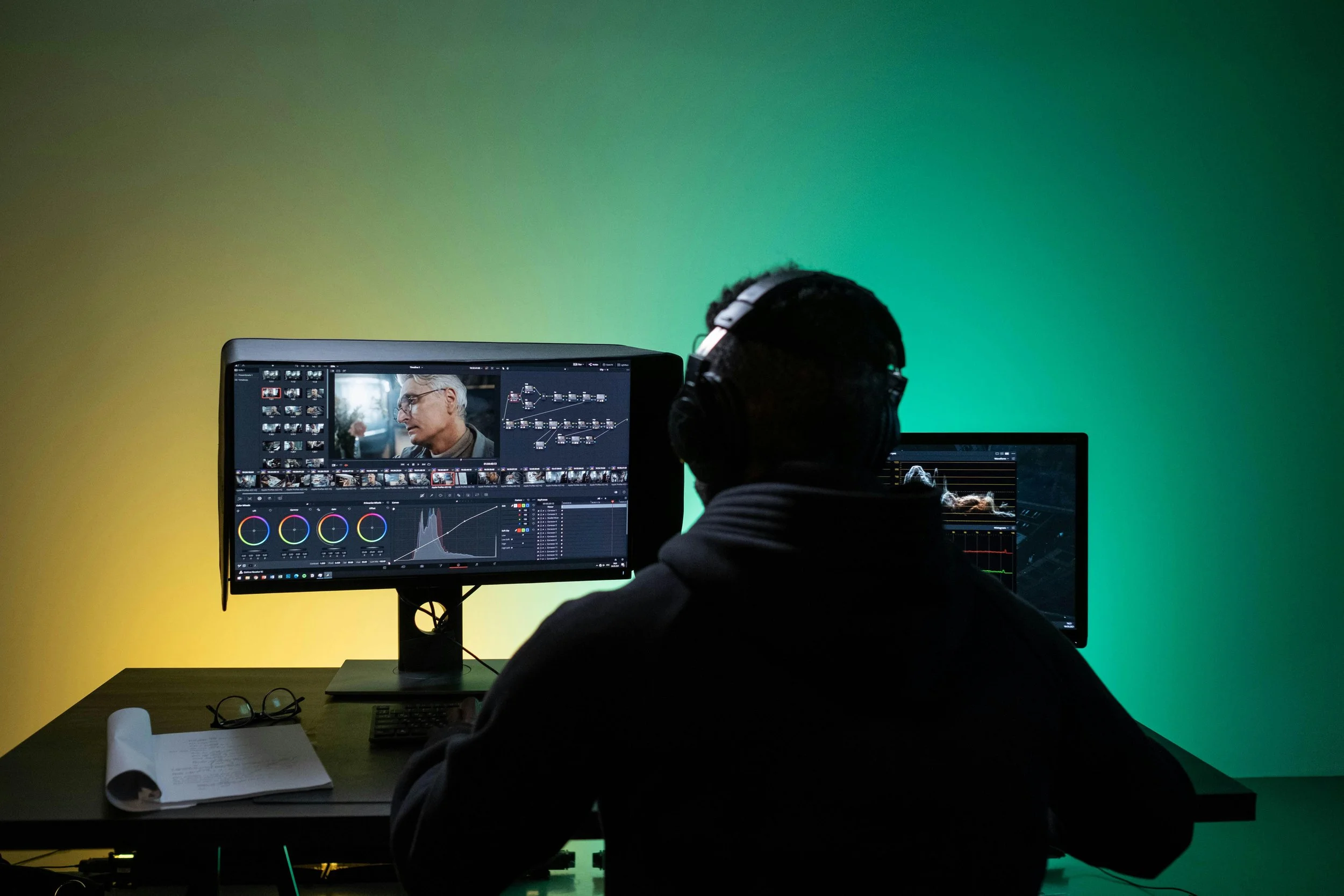
In the realm of filmmaking, production often gets the glamour, but it is in the edit suite where your story truly comes to life. Editing is not merely the mechanical process of gluing shots together; it is the final act of writing and directing, where rhythm, emotion, and narrative clarity are cemented.
A great editor is a master storyteller, transforming hours of raw footage into a cohesive, compelling, and intentional experience for the audience. Here’s a look at the art of the edit and how it serves as the ultimate stage for storytelling.
1. Rhythm and Pacing: Controlling the Viewer's Breath
Editing establishes the rhythm and pacing of the film, which fundamentally controls how the audience experiences the story.
Rhythm: This relates to the pattern of cuts—quick, staccato cuts for action and tension (like in the climax of a thriller), or long, deliberate takes for drama and reflection. By choosing when to cut, the editor dictates the feeling of the scene.
Pacing: This relates to the overall speed of the narrative over time. Is the story moving quickly toward a climax, or is it taking its time to build character and world? The editor's judgment on which moments to compress and which to let breathe defines the film's overall emotional arc.
2. Assembly and Structure: Finding the Narrative
The editor’s primary role is to ensure the narrative structure is clear, even when the production footage doesn't align perfectly with the script.
The Editor as the Final Writer: A skilled editor can rearrange scenes, drop unnecessary lines of dialogue, and shift subplots to clarify confusing plot points or improve character motivation. They are often the first objective viewer who discovers what the story truly is among all the captured footage.
Continuity vs. Intent: While technical continuity (matching action and props) is vital, sometimes a deliberate jump cut or an intentional break in continuity can serve a greater emotional or thematic purpose. The editor decides which rule to follow based on the story’s needs.
3. Emotional Impact: The Power of the Close-Up
Editing manipulates the audience's emotional experience by controlling what they see and when they see it. This is often achieved through the Kuleshov Effect, a film editing effect where viewers derive more meaning from the interaction of two sequential shots than from a single shot in isolation.
Controlling Focus: By cutting from a wide shot to a tight close-up of an actor's face, the editor instantly shifts the viewer's focus and escalates the emotional intensity of a moment.
Creating Tension: Cutting between two simultaneous actions (cross-cutting, like a bomb being disarmed and a hero rushing to help) is one of the most effective ways to build palpable tension and suspense.
4. Sound and Polish: The Final Layer
Post-production is comprehensive, and the edit suite is the hub where sound and color meet the image.
Sound Design and Music: The editor works with sound designers and composers to layer music, sound effects, and atmospheric tones. The moment a piece of music begins or ends can completely change the meaning of an image.
Color Correction: While the Colorist is a specialist, the editor must understand how the color grade will unify the disparate shots captured under various lighting conditions, ensuring a consistent and intentional look.
The art of the edit is the moment where the director's vision is finally solidified. It demands patience, meticulous attention to detail, and a deep, empathetic understanding of human emotion and storytelling. A successful edit is one that feels seamless—where the audience is so engrossed in the story that they never once notice the cuts that hold it together.
Check out Buddisystems
Sign up for Buddisystems today and unlock a world of creative possibilities!