

Exploring Drone Cinematography: Legality and Creative Uses
Written by: The Buddi Team
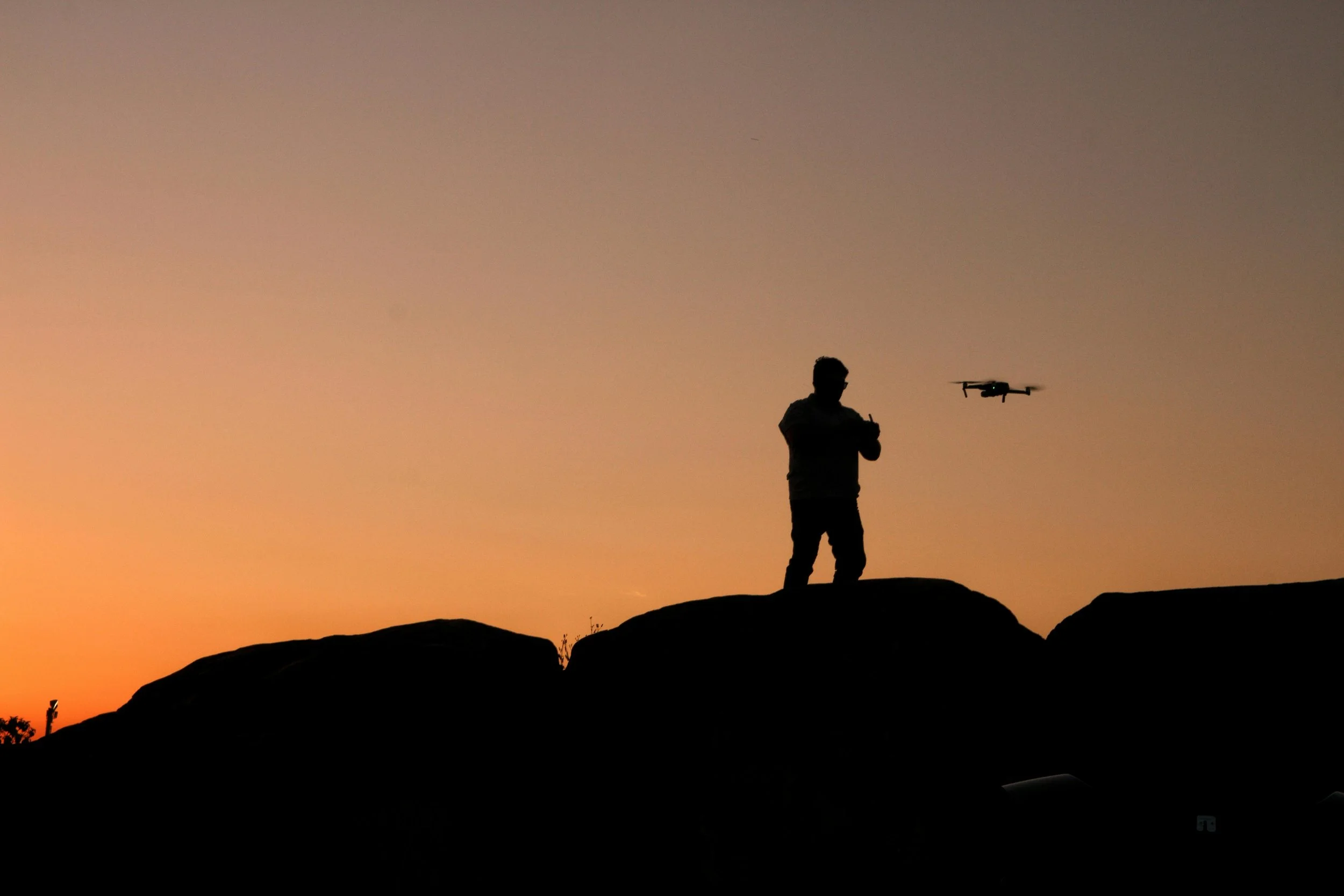
Drone technology has revolutionized filmmaking, offering breathtaking aerial perspectives that were once only achievable with expensive helicopters or complex rigging. From sweeping landscapes to dynamic chase scenes, drones provide an unparalleled cinematic tool. However, with this incredible creative freedom comes a significant responsibility to understand and adhere to the legal landscape, ensuring your aerial shots are not only stunning but also compliant.
Let's dive into the legal essentials and the exciting creative potential of drone cinematography.
Part 1: The Legalities – Fly Smart, Fly Safe
Flying drones for commercial purposes (which includes virtually all professional film and video production) is heavily regulated. Ignorance of the law is not an excuse, and violating regulations can lead to hefty fines, legal action, and even imprisonment.
1. Certification & Licensing:
U.S. (FAA Part 107): In the United States, anyone operating a drone for commercial purposes must hold a Remote Pilot Certificate (often referred to as Part 107 certification) issued by the Federal Aviation Administration (FAA). This requires passing a knowledge test and staying current with regulations.
International: Similar certifications exist globally (e.g., EASA in Europe, Transport Canada). Always research and comply with the specific regulations of the country you are operating in.
2. Airspace Restrictions:
No-Fly Zones: Drones are prohibited from flying in certain areas, including near airports (controlled airspace), military bases, national parks, critical infrastructure (power plants, prisons), and often over large public gatherings without specific waivers. Always check airspace maps (like B4UFLY app in the U.S.) before flying.
Altitude Limits: Most commercial drone operations are restricted to a maximum altitude of 400 feet (approx. 120 meters) above ground level (AGL), unless flying within 400 feet of a taller structure.
Visual Line of Sight (VLOS): The drone operator and/or a visual observer must maintain direct visual contact with the drone at all times, without the aid of binoculars or other devices (unless specifically waived).
3. Operational Rules:
Daylight Operations: Most commercial flights must occur during daylight hours (or civil twilight with anti-collision lighting).
People & Moving Vehicles: Flying directly over people not involved in the operation, or over moving vehicles on public roads, typically requires a waiver from the FAA.
Privacy Concerns: While not always a specific FAA regulation, be mindful of local privacy laws and ethical considerations when flying near private property or individuals. Always secure necessary permits and releases.
Insurance: Crucial! Always carry adequate liability insurance for drone operations. Accidents happen, and you need to be protected.
4. Waivers & Authorizations:
For operations that fall outside standard Part 107 rules (e.g., night flights, operations over people, flights in controlled airspace), you'll need to apply for specific waivers or airspace authorizations from the regulatory body. These can take significant time to process.
Part 2: Creative Uses – Elevating Your Story
Once you're legally cleared for takeoff, the creative possibilities are vast:
1. The Establishing Shot Reinvented:
Grand Scale: Drones excel at revealing vast landscapes, cityscapes, or expansive sets, setting the scene with breathtaking scope that traditional ground cameras cannot achieve.
Dynamic Reveals: Start tight on a subject and slowly pull back and rise to reveal the grandeur of their surroundings, or fly through a window to reveal an interior scene.
2. Dynamic Tracking & Movement:
Smooth Chases: Follow moving subjects (cars, bikes, runners) with incredible fluidity and speed, creating high-octane action sequences.
Character Journeys: Track a character through a complex environment, providing a sense of their journey and the challenges they face.
Unique POVs: Mimic the flight of a bird, or the perspective of a falling object for unique narrative impact.
3. Narrative & Emotional Impact:
Isolation/Vulnerability: A high, wide drone shot can make a single character appear small and isolated in a vast world, emphasizing their vulnerability or insignificance.
Exhilaration/Freedom: Fast, sweeping drone movements can convey a sense of liberation, speed, or exhilaration.
Reveal Information: Use a drone shot to slowly reveal a crucial plot point or an unexpected twist in the landscape or setting.
4. Enhancing Production Value:
Cost-Effective: Drones offer cinematic quality far exceeding the cost of traditional crane, helicopter, or even some jib shots.
Versatility: Many professional drones can carry cinema-grade cameras, allowing for seamless integration with other footage.
Final Thoughts
Drone cinematography is an incredibly powerful tool that can elevate any production. But remember, the magic happens when you pair creative vision with responsible, legal operation. Prioritize safety, secure your certifications, understand the airspace, and then let your imagination soar to capture truly unforgettable footage.
Check out Buddisystems
Sign up for Buddisystems today and unlock a world of creative possibilities!