

Music Video Production: From Concept to Release
Written by: The Buddi Team
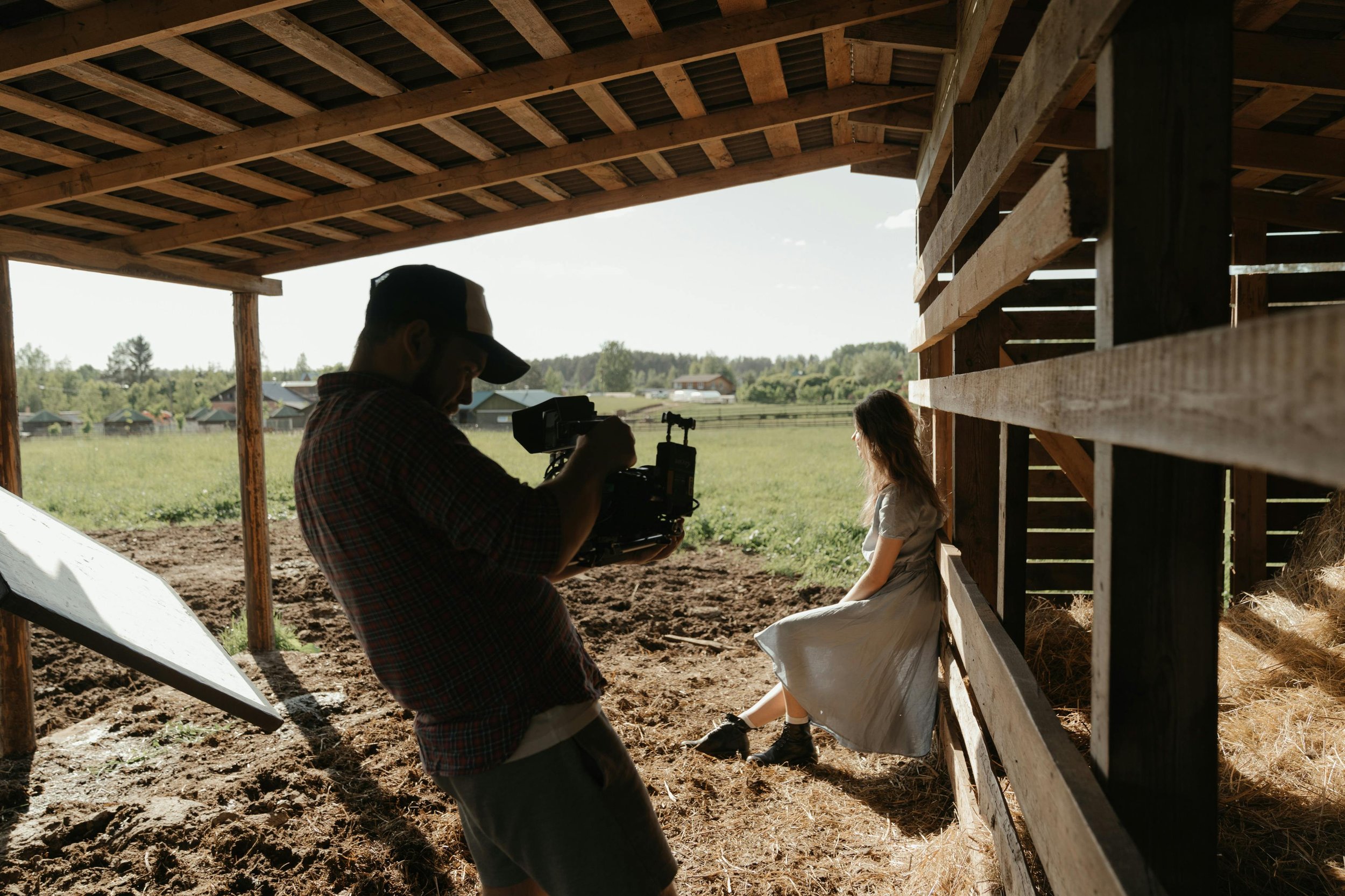
In the digital age, a song isn't just something you hear—it’s something you experience. A compelling music video can turn a local track into a global viral moment, but the journey from a rough demo to a YouTube premiere is a complex marathon of moving parts.
Whether you're an indie artist or an aspiring director, here is the essential roadmap for bringing a music video to life in 2026.
Phase 1: Development & The Treatment
Every great video begins with a Treatment. This is your visual pitch. It shouldn't just explain the "plot"; it should define the soul of the video.
Listen on Repeat: Immerse yourself in the track’s BPM, lyrics, and emotional arc.
Establish the Vibe: Use mood boards to define your color palette, wardrobe, and lighting. Are we going for "Teal and Orange" cinematic realism or "Neo-Noir" moodiness?
The Logline: Can you explain your video in one sentence? If not, the concept might be too cluttered.
Phase 2: Pre-Production (The Logistics)
This is where dreams meet reality. If you aren't organized here, you'll pay for it on set.
Location Scouting: Secure your permits early. A beautiful sunset shot is useless if you get kicked out of the park 10 minutes in.
Storyboarding & Shot Lists: Don't just "wing it." Create a frame-by-frame blueprint so the crew knows exactly what gear is needed for every transition.
The "Paperwork": Ensure talent release forms and W-9s are ready for all contractors (filmmakers and musicians alike).
Phase 3: Production (The Shoot)
It’s "Action!" time. The goal of production is to capture the highest quality "raw materials" for your editor.
Performance is King: Even with the best lighting, a flat performance from the artist will kill the video. Focus on energy and authentic connection.
Capture B-Roll: Always get "coverage"—extra shots of the environment, details, or abstract movements. These are your "get out of jail free" cards during the edit.
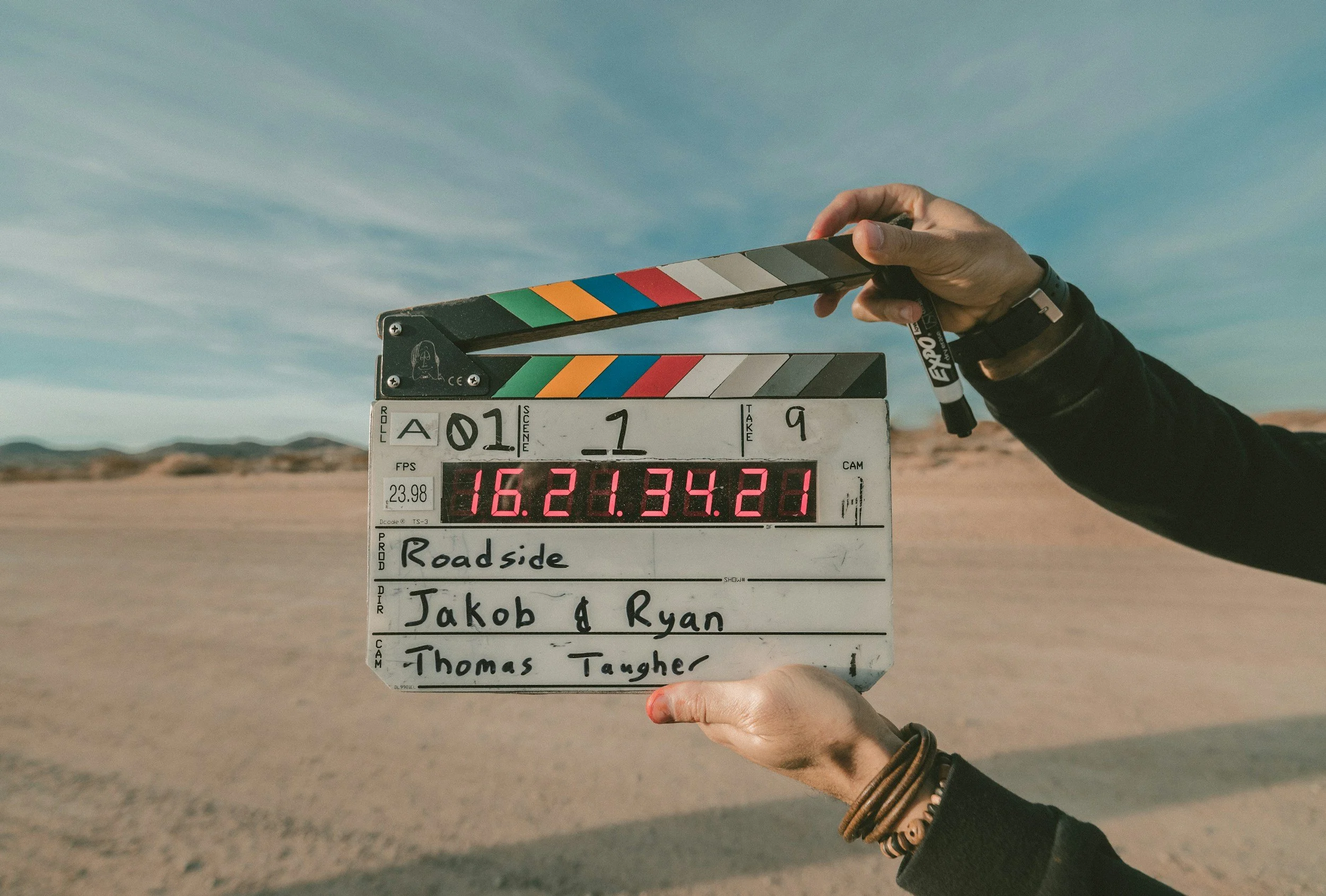
Sync the Audio: Use a loud, clear playback system on set so the artist can lip-sync perfectly. In 2026, many directors use AI-syncing tools, but a classic "clap" or slate still saves time in post.
Phase 4: Post-Production (The Magic)
Post is where the "emotion" is added.
Cut to the Beat: Every transition should feel like a rhythmic extension of the song.
Color Grading: As we discussed in our recent blog, this is where you apply the narrative look.
The "Social" Cut: In 2026, your job isn't done with the 4-minute master. You need to export 15-second "Vertical" versions for TikTok, Instagram Reels, and YouTube Shorts.
Phase 5: Distribution & Release
A video released in a vacuum won't be seen.
Tease the Release: Start dropping 5-second "loop" snippets on social media 2 weeks before the drop.
Metadata Matters: Optimize your YouTube tags, descriptions, and thumbnails for SEO.
The "Bond" Phase: Engage with the comments in the first hour of release. Algorithms in 2026 reward early, high-velocity engagement.
Check out Buddisystems
Sign up for Buddisystems today and unlock a world of creative possibilities!