

Working with Natural Light: Maximizing Your Environment
Written by: The Buddi Team
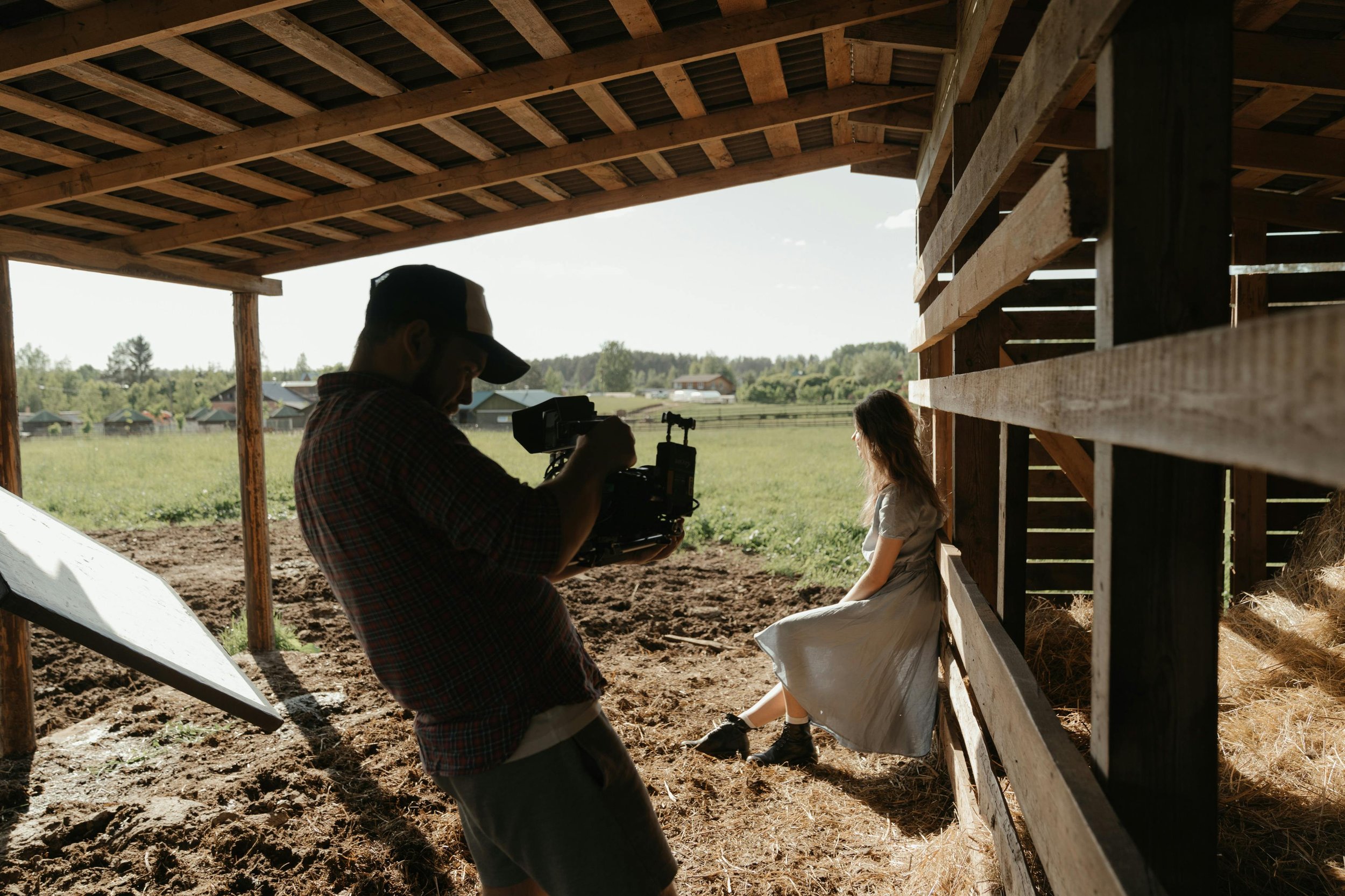
High production value doesn’t always require a massive electrical budget. Some of the most iconic scenes in cinema history were shot using nothing more than the sun and a few clever tools. Natural light offers an authenticity and "organic" feel that artificial lights often struggle to replicate.
However, the sun is a fickle crew member. It moves, it changes intensity, and it doesn't take direction. To master natural light, you have to stop fighting the environment and start collaborating with it.
1. Timing is Everything: The Cinematographer’s Clock
The quality of natural light changes drastically throughout the day. Understanding the "vibe" of each window is crucial for your visual storytelling.
2. Controlling the Chaos: Tools of the Trade
Just because you aren't using "lights" doesn't mean you aren't "lighting." You need to shape the sun to fit your frame.
Reflectors (Bounce Boards): If the sun is hitting one side of your actor’s face too hard, use a white or silver bounce board to "fill" the shadows on the other side. This creates a balanced, professional look.
Diffusers (Silks): On a bright, cloudless day, hold a large silk or translucent fabric between the sun and your subject. This transforms harsh, direct light into a soft, flattering glow.
Negative Fill: Sometimes there is too much light bouncing around. Use a black floppy or foam core board on the "shadow side" of an actor to deepen the shadows and add dramatic contrast (modeling).
3. Mastering Interiors with Windows
Windows are essentially giant, fixed softboxes. When filming indoors, your placement relative to the window changes everything.
Side Lighting: Place your subject perpendicular to the window. This creates beautiful "Chiaroscuro" (high contrast) lighting that adds depth and texture to the face.
Backlighting: Placing the subject in front of the window creates a "halo" effect (rim light). While beautiful, be careful—you may need to bounce light back onto their face so they don't become a complete silhouette.
Sheer Curtains: These are the ultimate low-budget diffusers. They soften incoming sunlight perfectly for a dreamy, high-key look.
4. Consistency is Key
The biggest challenge with natural light is continuity. If you start a scene under a cloud and finish it in bright sunlight, the shots won't match in the edit.
Shoot the Wide First: Get your widest shots while the light is consistent.
Match in Close-ups: Use your silks and reflectors during close-ups to recreate the "cloudy" look even if the sun comes out. It’s much easier to control light in a tight frame than a wide one.
By respecting the sun's schedule and using simple tools to shape its rays, you can achieve a "million-dollar look" on a zero-dollar lighting budget.
Check out Buddisystems
Sign up for Buddisystems today and unlock a world of creative possibilities!