

Sound Recording On Set: Avoiding Common Pitfalls
Written by: The Buddi Team

They say that sound is 50% of the cinematic experience, but on most indie sets, it’s often the last 5% of the budget and the first thing to be compromised. While audiences might forgive a slightly soft focus or a grainier shot, they will immediately tune out if the dialogue is muffled, echoey, or inconsistent.
To ensure your production doesn’t fall victim to "bad audio syndrome," here are the most common on-set sound pitfalls and how to avoid them.
1. The "Fix It in Post" Fallacy
The biggest mistake any filmmaker can make is assuming that a noisy location or a distant microphone can be "cleaned up" later. While modern AI tools are impressive, they can’t truly replace the depth and clarity of a well-captured original recording. Removing heavy reverb or a loud air conditioner often leaves the dialogue sounding robotic and hollow.
The Fix: If the sound isn’t right on set, stop and address it. It is always cheaper to take five minutes to find the source of a hum than to pay an engineer for ten hours of surgical audio repair.
2. Relying on On-Camera Microphones
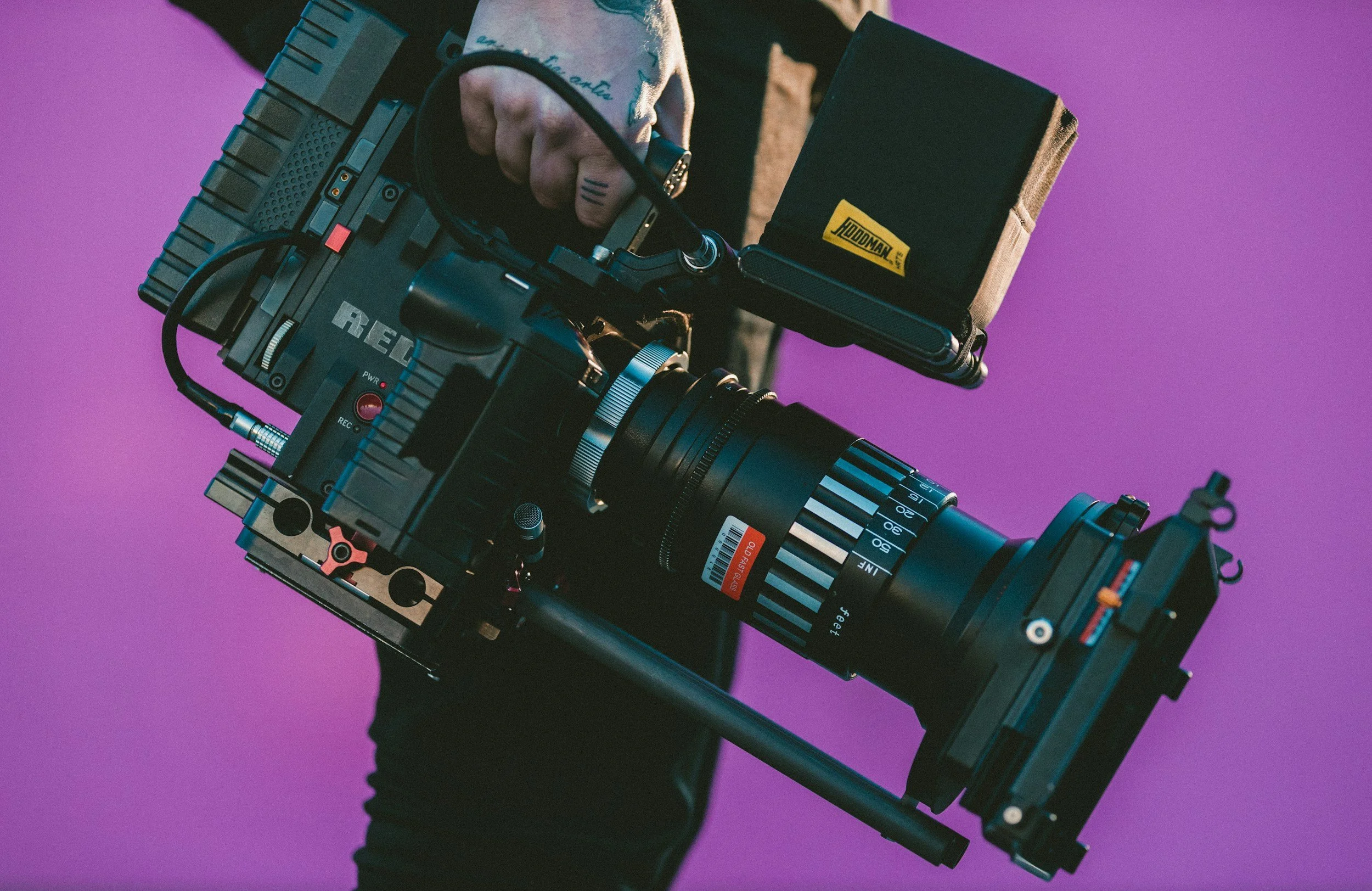
On-camera mics are designed for reference only (to help you sync your good audio later). Because they are attached to the camera, they are usually too far from the actors and pick up every click of the lens, the whir of the cooling fan, and the operator’s breathing.
The Fix: Use a dedicated dual-system sound setup. Get a high-quality shotgun mic on a boom pole or lavalier microphones hidden on your talent.
3. Poor Microphone Proximity
In sound, proximity is king. A $3,000 microphone three feet away will often sound worse than a $200 microphone six inches away. Many beginners keep the boom too far back to stay "safe" from entering the frame, resulting in "thin" and echoey audio.
The Fix: Work closely with your Cinematographer. The goal is to get the boom mic as close to the top of the frame as possible without dipping in. A good rule of thumb: the mic should be close enough that the actor could almost touch it if they reached up.
4. Ignoring the "Environment Monsters"
Professional microphones are sensitive—they hear things your brain naturally filters out. The most common "production killers" are:
The Fridge: That low hum will ruin your scene. Always unplug refrigerators on location (and put your car keys inside the fridge so you don't forget to plug it back in when you leave!).
HVAC Systems: Air conditioning and heaters create a massive "noise floor" that makes editing dialogue cuts nearly impossible.
The Fix: Perform a "Sound Scout" during your location survey. Listen for traffic, planes, and appliances.
5. Forgetting Room Tone
Room tone is the "invisible glue" of film editing. Every room has a unique "silence" (the subtle hum of the air and space). If you cut between two different takes without a layer of room tone underneath, the background "hiss" will jump and pop, making the edit feel jarring.
The Fix: Before you wrap a location, ask everyone to be completely silent for 60 seconds and record the "silence" of the room. Your editor will thank you.
6. Monitoring Without Headphones
You cannot trust your eyes to monitor sound. Just because the meters on your recorder are moving doesn't mean the audio is clean. You might have a "hot" signal (clipping) or a cable that is crackling without knowing it.
The Fix: The Sound Mixer (and ideally the Director) should always wear headphones. If you don't hear it through the cans, you haven't truly heard it.
Final Takeaway
Great sound doesn't require a Hollywood budget; it requires discipline and ears. Respect your sound department, give them the time they need to set up, and treat audio as a priority rather than an afterthought.
Check out Buddisystems
Sign up for Buddisystems today and unlock a world of creative possibilities!