

Location Scouting Secrets: Finding the Perfect Backdrop
Written by: The Buddi Team
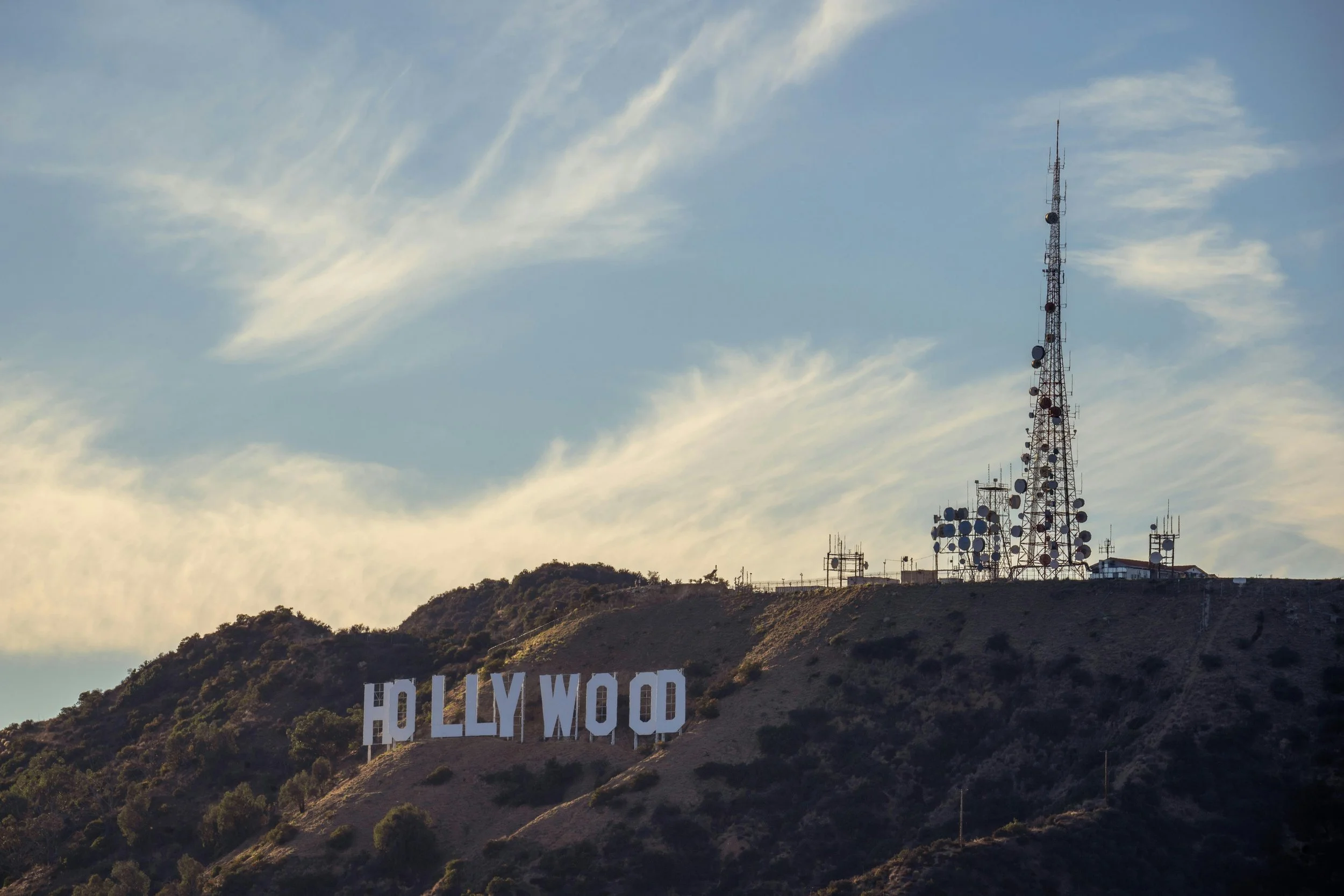
The difference between a good visual project and a truly unforgettable one often comes down to a single element: the location. For filmmakers and photographers alike, location scouting is not just a logistical checkbox—it's a critical art form that imbues a project with authenticity, atmosphere, and a powerful visual narrative. The right backdrop can become a character in your story, but finding that perfect spot requires more than just a quick Google search. It demands strategy, technical insight, and a healthy dose of creative persistence.
1. The Creative First Step: Know Your Story
Before setting foot out the door, a professional location scout begins with a deep dive into the script or creative brief. The location must serve the story, not distract from it. If your film calls for a desolate, isolated scene, the vastness of a desert serves as a visual metaphor for your character's internal struggle. If a client wants a rustic, ethereal portrait, a densely covered forest at golden hour is essential. You must define the aesthetic and mood before you can find the geographic solution. Break down every scene to determine the visual requirements, architectural style, and overall atmosphere you need to capture.
2. The Technical Essentials: Beyond the Visual
While the look is vital, the function of the location is what determines a smooth shoot day. Always scout a location at the exact time of day you plan to shoot to properly evaluate the natural light, shadow patterns, and ambient conditions. An evening shot that looks stunning in a photo might be ruined by a busy highway's rush hour traffic, so listening for ambient noise is just as important as seeing the light. Beyond aesthetics, you must consider the often-overlooked logistics: Is there enough space for your crew, equipment, and a designated staging area? Is reliable power available, or will you need to bring generators? The most beautiful location in the world is useless if you can't safely, efficiently, and legally work there.
3. The Power of Persistence: Unlocking Hidden Gems
Creative location sourcing extends far beyond film commissions and obvious landmarks. Savvy scouts utilize a range of tools, from browsing social media geotags and saving interesting finds for later, to leveraging Google Earth's satellite imagery to assess the surrounding environment (like that nearby airport that could ruin your audio). Don't limit your search to conventional spaces; sometimes a sculptor’s workshop or a creatively redressed dining room can perfectly pass for a restaurant or lounge, saving time and money. When you find a promising spot, you must be a documentarian: take comprehensive photos and videos from all angles, and, most importantly, record all technical and logistical notes. This meticulous record-keeping is what allows the entire production team to plan effectively.
4. The Golden Rule: Permission and Relationships
Finally, no location is secured until it is cleared. This involves the crucial step of finding the property owner or local authority and obtaining the necessary permits and location release forms. Always approach property owners with courtesy and transparency; treat their space with the utmost respect. Building a strong, positive relationship with a location owner can be an invaluable long-term asset, potentially securing future discounts or flexibility. And because Murphy’s Law is real on any set, always have a backup location or an alternative plan to mitigate unforeseen issues like weather changes, permit denials, or technical hiccups.
By combining creative vision with technical due diligence and respectful professionalism, you move beyond merely finding a backdrop—you secure the essential foundation for a truly compelling visual story.

Check out Buddisystems
Sign up for Buddisystems today and unlock a world of creative possibilities!