

Budgeting Your Film: Practical Tips for Every Scale
Written by: The Buddi Team

Filmmaking, at its heart, is a delicate dance between artistic vision and financial reality. Whether you're shooting a no-budget indie short in your backyard or planning a multi-million dollar feature, a well-crafted budget isn't just a formality – it's your creative compass and your project's lifeline. Without it, even the most brilliant ideas can quickly run aground.
So, how do you conquer the beast that is film budgeting? Let's break down practical tips for every scale of production.
1. Understand Your "Why" & "How Much"
Before you even open a spreadsheet, you need clarity.
Define Your Vision: What kind of story are you telling? What does it need to look like on screen? A period drama will inherently cost more than a contemporary dialogue-driven piece.
Know Your Resources: Are you self-funding, seeking investors, applying for grants, or crowdfunding? Your funding strategy directly impacts your budget ceiling.
The "Script Breakdown" is King: This is the foundational step. Go through your script scene by scene, line by line. Identify everything: characters, locations, props, costumes, special effects, stunts, vehicles, animals, day/night, interior/exterior. Every single item translates to a cost.
2. Embrace the Industry Standard: Line Items & Categories
Film budgets are universally structured into categories (above-the-line, below-the-line, post-production, other). Get familiar with them.
Above-the-Line (ATL): These are your primary creative talent.
Producers: Fees, expenses.
Director: Fees, travel, accommodation.
Writer: Fees, rights acquisition.
Principal Cast: Fees for lead actors, travel, accommodation, per diems.
Below-the-Line (BTL): This covers your crew, equipment, locations, and day-to-day production costs.
Production Staff: Production Manager, Coordinators, PAs.
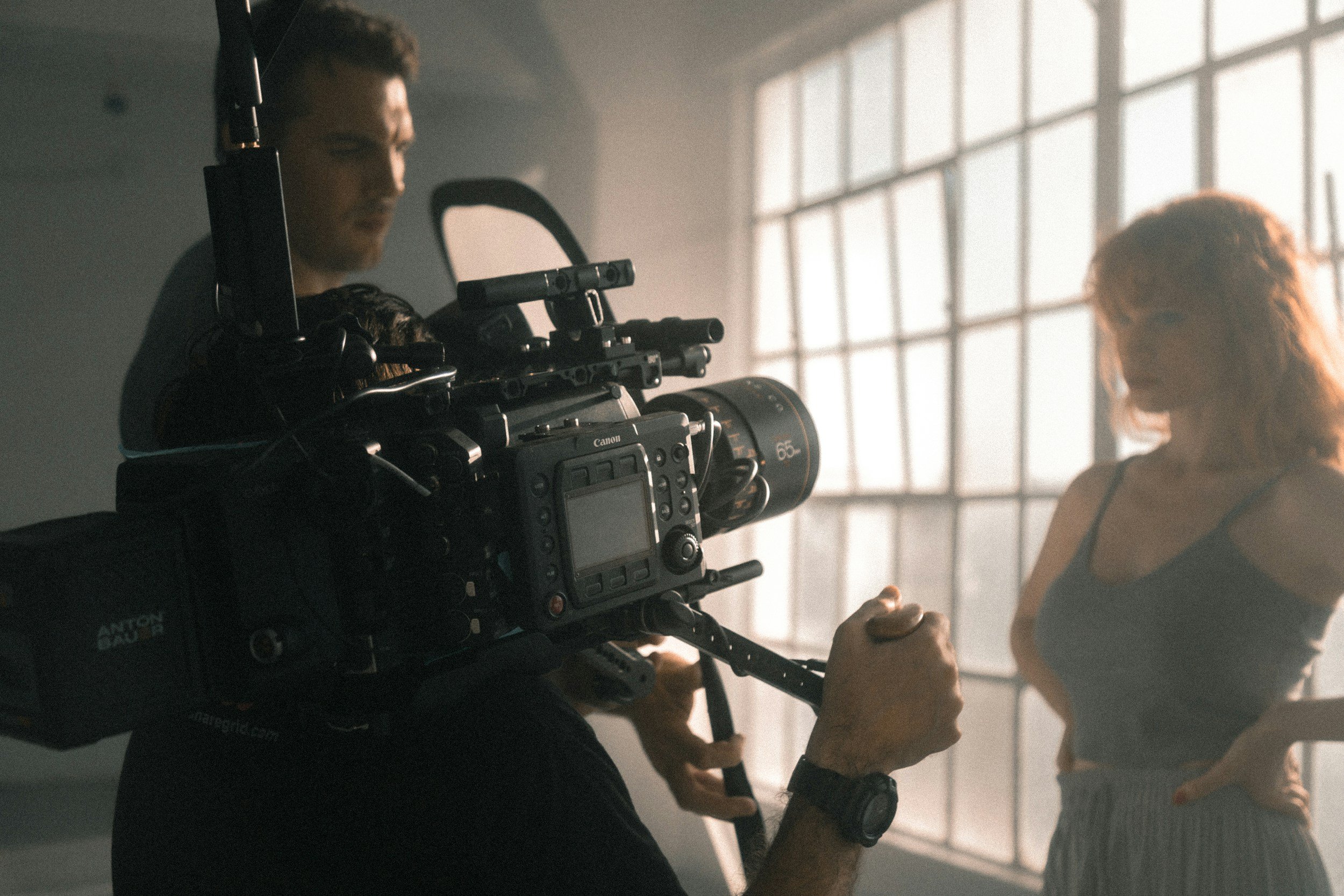
Camera Department: DP, Camera Operators, 1st AC, camera rental (camera body, lenses, rigs).
Lighting & Grip: Gaffer, Best Boy, Key Grip, lighting & grip package rental (lights, stands, dollies, tracks).
Sound: Sound Mixer, Boom Operator, sound equipment rental (mics, recorder).
Art Department: Production Designer, Art Director, set dressers, prop master, set construction, props, set dressing.
Costumes & Makeup: Costume Designer, Wardrobe Supervisor, makeup artist, hair stylist, costume rental/purchase.
Locations: Location fees, permits, police, security.
Transportation: Vehicles (trucks, vans), fuel, drivers.
Craft Services & Catering: Food, water, snacks for cast & crew.
Contingency: ALWAYS include 10-15% of your total budget for unforeseen expenses. Things will go wrong.
Post-Production:
Editor: Fees, editing suite rental.
Sound Design & Mix: Sound designer, foley artist, final mix.
Color Grading: Colorist, grading suite.
Visual Effects (VFX): VFX supervisor, artists, rendering.
Music: Composer fees, music licensing, sound mixing.
Deliverables: Creating final masters, DCPs, festival screeners.
Other: Insurance, legal fees, accounting, marketing & distribution.
3. Start Lean: The No-Budget/Micro-Budget Approach
For beginners, "no-budget" often means using what you have and calling in favors.
Leverage Personal Gear: Use your own camera, lights, sound recorder.
Crew of Volunteers/Students: Offer experience, food, and future collaboration.
Free Locations: Friends' houses, public parks (check permits), your own apartment.
Practical Lighting: Use available light or simple household lamps.
DIY Props & Costumes: Source from thrift stores, borrow from friends.
Trade Skills: Offer your editing skills for someone else's camera work.
Food is Fuel & Morale: Even on a tiny budget, keep your crew fed and hydrated. It makes a huge difference.
4. Scaling Up: The Indie & Mid-Range Budget
As you secure more funding, you can rent better equipment and pay a professional crew.
Negotiate, Negotiate, Negotiate: Equipment rentals, location fees, and even crew rates can often be negotiated, especially on indie projects.
Rent Smart: Only rent what you absolutely need, when you absolutely need it. Consolidate shooting days to minimize rental periods.
Prioritize: Where does the money really need to go to serve your vision? Is it that elaborate VFX shot or a key actor?
Location Scouting is Crucial: Find locations that look expensive but are affordable, or that offer multiple looks.
Efficient Scheduling: Time is money. A tight, well-planned schedule minimizes overtime and equipment rental days.
Production Insurance: Absolutely essential. Don't skip it.
5. The Big Leagues: Feature Films
Larger budgets come with more complexity and more moving parts.
Dedicated Team: You'll have a dedicated Line Producer, Production Manager, and Assistants whose job is solely to manage the budget and logistics.
Union vs. Non-Union: This significantly impacts crew rates, benefits, and working conditions. Factor this in early.
Software & Professionals: Use specialized budgeting software (like Movie Magic Budgeting) and hire professional accountants and legal counsel.
Tax Incentives: Research state and country film tax credits and incentives. These can drastically reduce your overall spend.
Detailed Contracts: Every agreement, from talent to vendors, needs to be thoroughly vetted and legally binding.
Final Thoughts: The Budget as a Creative Tool
A budget isn't just about limiting spending; it's about intelligent resource allocation. It forces you to make creative choices, solve problems, and understand the real-world implications of your artistic decisions. The most successful filmmakers are those who can balance their vision with a pragmatic approach to their finances. So, grab that spreadsheet, break down your script, and build a budget that empowers your story.
Check out Buddisystems
Sign up for Buddisystems today and unlock a world of creative possibilities!