

DIY Lighting Hacks for Independent Filmmakers
Written by: The Buddi Team
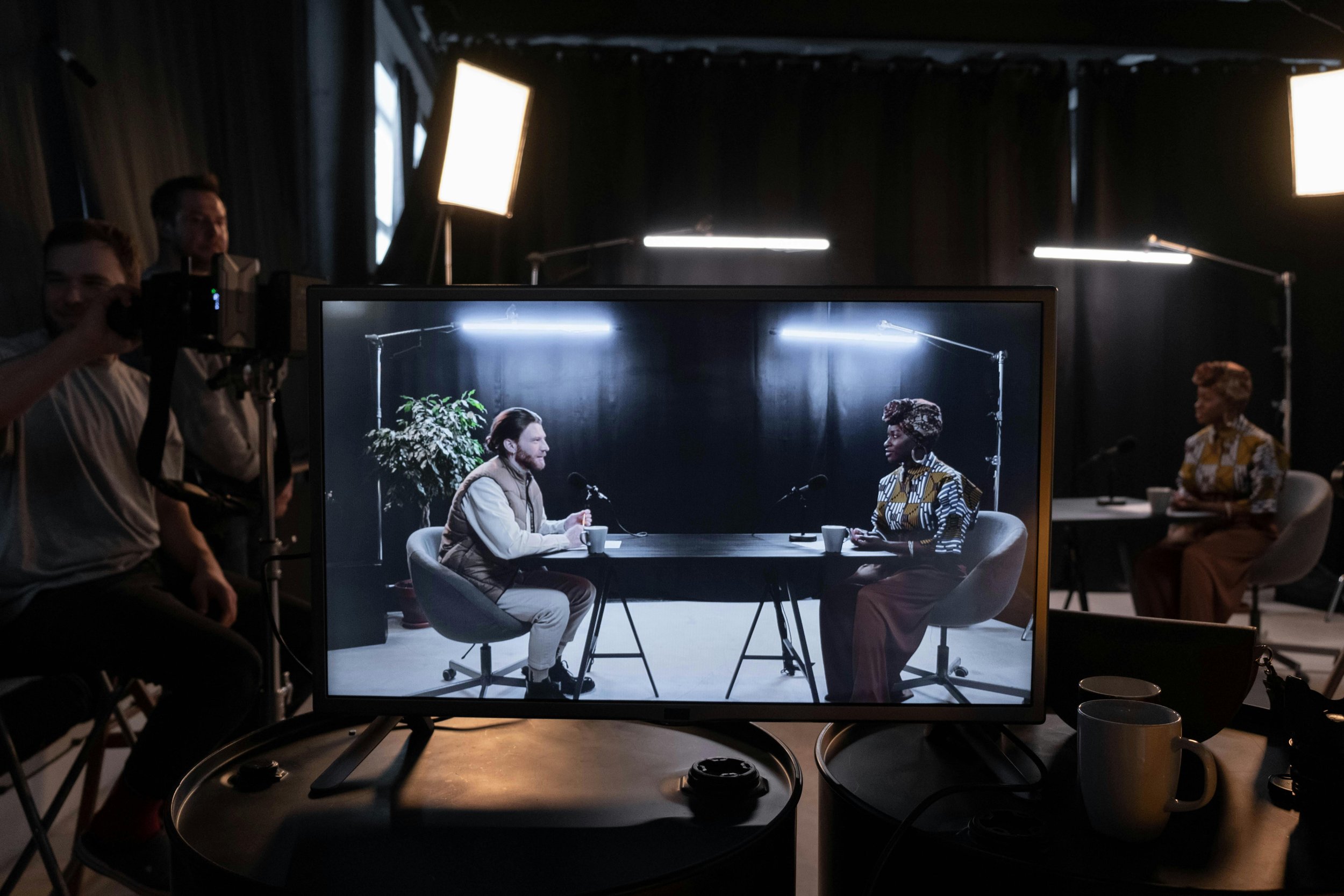
One of the biggest hurdles for indie filmmakers isn't the camera—it’s the lighting. Professional cinema lights can cost thousands of dollars, but cinematic visuals aren't about how much you spend; they’re about how you shape and control the light you have.
If you’re working with a shoestring budget, you don't need a Gaffer's truck. You just need a trip to the hardware store and some creative problem-solving. Here are the best DIY lighting hacks to elevate your next project.
1. The Hardware Store "Key" Light
Before spending $500 on a LED panel, head to the local hardware store. Clamp lights (often called work lights) are incredibly versatile.
The Hack: Buy 2-3 aluminum clamp lights and high-quality LED bulbs.
Pro Tip: Look for bulbs with a high CRI (Color Rendering Index) of 90+. This ensures skin tones look natural rather than sickly or green.
Safety Note: If using traditional tungsten bulbs, these housings get extremely hot. Always use wooden clothespins (C-47s) to attach gels or diffusion to avoid melting or fires.
2. Diffusion on a Dime
Hard light creates harsh shadows that scream "amateur." Professional softboxes are expensive, but you can achieve the same "wrap-around" light with household items.
The Shower Curtain Secret: A frosted white (not clear) shower curtain is the perfect diffusion material. Hang it a few feet in front of your DIY clamp light to turn a harsh point source into a beautiful, soft glow.
Bed Sheets: A white bed sheet works in a pinch, though it absorbs more light than a shower curtain.
The "China Ball": Paper lanterns (available at many craft or home stores) provide a beautiful 360-degree soft light that is perfect for lighting a dinner scene or a soft "top light."
3. Shaping Light with Foam Core
In cinematography, negative fill and bouncing are just as important as the light itself. You don't need professional reflectors when you have foam board.
4. Practical Magic
A "practical" is any light source that is actually visible in the frame (a desk lamp, a neon sign, a TV).
Motivation: Always try to "motivate" your cinematic lighting based on the practicals in the room. If there's a lamp on the right side of the frame, your DIY key light should come from the right.
Dimmer Switches: Buy a few plug-in dimmer sliders. Being able to dim a household lamp so it doesn't "blow out" the camera sensor is a game-changer for interior scenes.
5. Color Gels for Pennies
Professional CTB (Color Temperature Blue) or CTO (Color Temperature Orange) gels are great, but if you’re in a rush:
Party Supplies: Tinted cellophane from a party supply store can add a pop of color to your background or "rim" lights.
The "Blue Hour" Hack: If you need a cool, moonlight look but only have warm "orange" bulbs, try white-balancing your camera to a warmer setting (like 3200K) while using a daylight bulb.
Final Takeaway
The best cinematographers aren't those with the most gear; they are the ones who understand how light behaves. By using these hacks, you learn the physics of lighting—softness, direction, and color—without the financial barrier.
Check out Buddisystems
Sign up for Buddisystems today and unlock a world of creative possibilities!