

Sound Design: Beyond Just Dialogue and Music
Written by: The Buddi Team
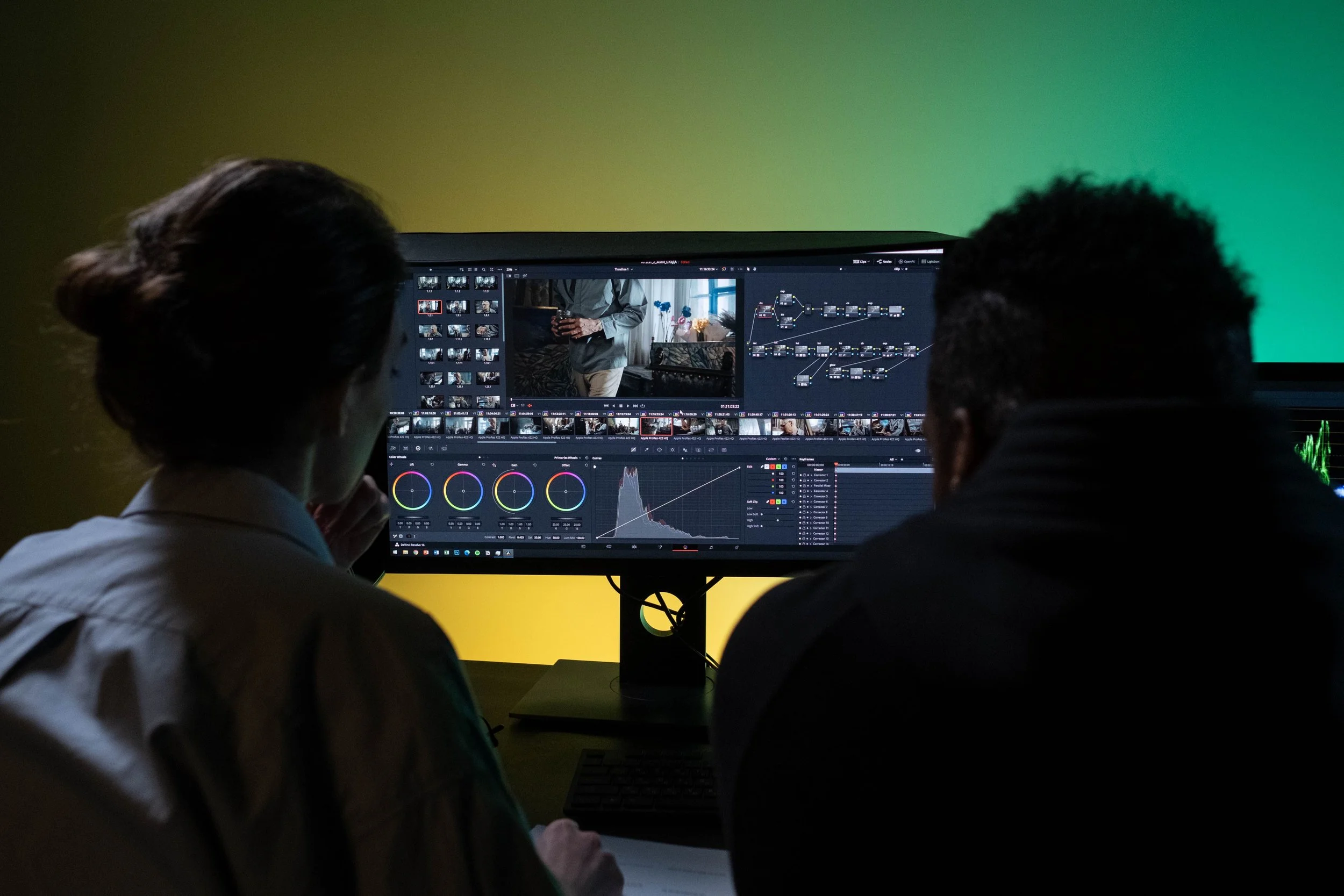
When most people think about a movie or video game's soundtrack, their minds instantly go to two obvious elements: spoken dialogue and the musical score. But behind every iconic scene is an invisible architect working in the shadows—the sound designer.
Sound design isn't just about making sure you can hear what characters say or stirring up emotion with a swelling orchestra. It is the invisible art of world-building, subconscious storytelling, and emotional manipulation.
Here is how sound design works its magic beyond dialogue and music.
1. Foley Art: Giving Real-World Weight to the Screen
When a film is shot, on-set microphones are tuned almost exclusively to capture clean dialogue. That means nearly every other physical interaction you hear on screen—from the rustle of a leather jacket to footsteps on wet pavement—is recreated from scratch during post-production by Foley artists.
Fun Fact: The terrifying, bone-chilling roar of the T-Rex in Jurassic Park wasn't a single animal. Sound designer Gary Rydstrom combined the squeal of a baby elephant, the growl of a tiger and alligator, and the blow of a whale to create an iconic sound that feels prehistoric and real.
Without Foley, scenes feel hollow and ungrounded. The weight of a door closing, the crunch of gravel under heavy boots, or the metallic clink of a key being turned all subconsciously anchor the audience inside the story's physical reality.
2. Atmosphere & Room Tone: Crafting "Silence"
In sound design, pure silence doesn't exist. If a film ever goes completely mute, the audience instantly notices the dead air. Instead, sound designers use room tone and ambient soundscapes to communicate mood and location:
Low, humming HVAC air: Conveys isolation, clinical coldness, or corporate monotony.
Distant wind and creaking wood: Immediately establishes vulnerability, old age, or abandonment.
Faint, irregular buzzing lights: Hints at decay, tension, or mental instability.
By shaping the background noise, a sound designer tells your brain how a room feels before a single character speaks a word.
3. Diegetic vs. Non-Diegetic Storytelling
Sound design constantly plays with the boundary between what the characters can hear and what only the audience experiences:
Diegetic sound refers to any audio originating directly from within the story world that the characters themselves can hear, such as roaring car engines, distant police sirens, or radio music playing inside a diner. In contrast, non-diegetic sound consists of atmospheric elements added strictly for psychological or emotional effect that only the audience experiences, including dramatic risers, heavy bass drops, and internal character voiceovers. Bridging the gap between the two is trans-diegetic sound, which blurs the line by taking an audio element that begins inside the story world—like a character's ticking wristwatch—and seamlessly morphing it into the rhythmic tempo of the background musical score.4. Subconscious Manipulation: Infrasound and Shepard Tones
Great sound design manipulates human physiology without the viewer ever realizing it:
🔊 Infrasound (Low-Frequency Rumble)
Frequencies below 20 Hz are often felt rather than heard. Sound designers use ultra-low sub-bass rumbles to trigger a primal sense of dread or nausea in the audience—a trick frequently used in horror and thriller films to build tension before a monster or killer appears.
🔄 The Shepard Tone
An auditory illusion that creates the perception of a sound that continually ascends or descends in pitch forever, never reaching a peak. Directors like Christopher Nolan famously use Shepard tones in films like Dunkirk to keep the audience in a state of perpetual, escalating panic.
The Takeaway
Dialogue delivers the narrative, and music sets the theme—but sound design is the texture that brings the world to life. The next time you watch your favorite movie or play a video game, take a moment to close your eyes or focus solely on what’s happening beneath the voices and the score. You’ll discover an entirely hidden layer of storytelling.
Check out Buddisystems
Sign up for Buddisystems today and unlock a world of creative possibilities!