

The Art of Film Editing: Crafting Stories Frame by Frame
Written by: The Buddi Team
Film editing is often described as the invisible art of filmmaking—a meticulous craft that, while rarely in the spotlight, is crucial to storytelling. At its core, editing is about shaping and refining the raw footage into a cohesive and compelling narrative. It's where the magic happens, turning a collection of individual shots into a seamless, engaging story. The beauty of film editing lies in its ability to control the pacing, tone, and emotional impact of a film. Let’s delve into this fascinating art form, exploring how editors weave together scenes to create cinematic masterpieces. We'll look at examples like Everything Everywhere All at Once, Mad Max: Fury Road, and Pulp Fiction to understand the profound impact of editing on film.
The Role of Film Editing
Before we dive into specific examples, it’s important to understand the role of film editing. Essentially, editing involves selecting and combining shots, determining their sequence, and making decisions about the timing and rhythm of the film. It's about finding the right balance between dialogue, action, and emotion. An editor works closely with the director to ensure that the vision for the film is realized, often making crucial decisions that shape the audience’s experience.
Editing isn’t just about cutting out unwanted scenes. It’s about crafting the narrative flow, building suspense, creating emotional connections, and even influencing how audiences perceive characters. Through techniques like cross-cutting, jump cuts, and match cuts, editors guide viewers through the story in a way that feels both natural and engaging.
Everything Everywhere All at Once: A Masterclass in Editing
One of the most striking examples of editing in recent years is Everything Everywhere All at Once (2022), directed by Daniel Kwan and Daniel Scheinert. This film is a wild, genre-bending ride through multiple universes, blending science fiction, action, and comedy with a deeply emotional core. The editing in this film is nothing short of revolutionary, showcasing how dynamic and imaginative editing can enhance storytelling.
The film’s editors, Paul Rogers and Daniel Kwan, employed a frenetic editing style that mirrors the chaotic, multi-dimensional narrative. The rapid-fire transitions between different universes and timelines are not just technical feats but serve to immerse viewers in the protagonist’s disorienting journey. One standout sequence involves the character’s encounter with an alternate reality where everything is made of hot dogs. The editing here is crucial in balancing absurdity with emotional depth, using quick cuts and seamless transitions to maintain the film’s energetic pace.
The film’s use of visual effects is also intricately tied to its editing. For instance, the transition between different multiverses often involves elaborate visual effects that are seamlessly integrated through precise editing. This blend of practical effects and digital effects is a testament to how editing can enhance and elevate special effects, making them feel like an organic part of the story.
Mad Max: Fury Road: Editing as an Action Choreography
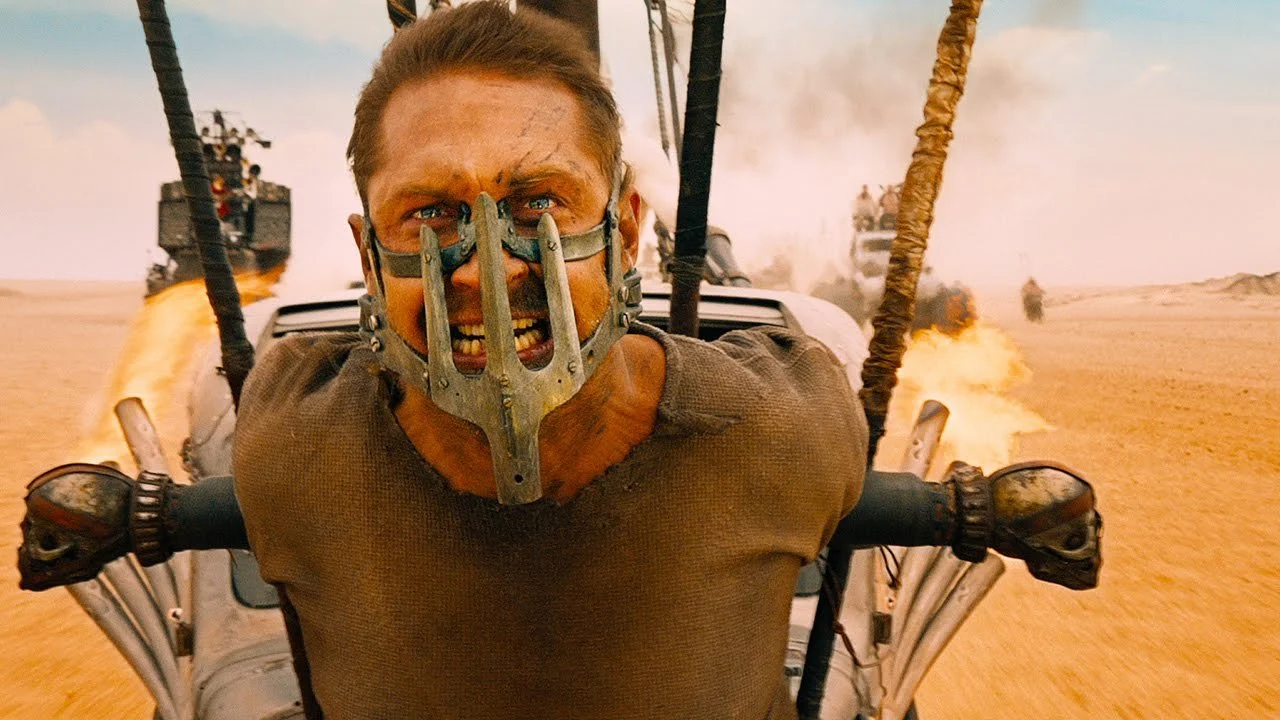
Mad Max: Fury Road (2015), directed by George Miller, is another prime example of how editing can transform a film into an adrenaline-fueled experience. The film’s editor, Margaret Sixel, won an Academy Award for her work, and it’s easy to see why. The editing in Fury Road is as much a part of the action choreography as the stunts and visual effects.
The film is essentially one long chase sequence, and Sixel’s editing plays a crucial role in maintaining the intensity and clarity of the action. The rapid cuts and dynamic pacing create a relentless rhythm that mirrors the film’s high-octane energy. However, it’s not just about speed; the editing ensures that each action beat is clear and impactful. This is particularly evident in the way the film handles its complex action sequences. Sixel’s editing allows viewers to follow the action without becoming disoriented, a feat that requires both technical skill and a deep understanding of the film’s rhythm.
The film also uses editing to enhance its visual storytelling. For example, the use of color grading and the contrast between the desolate wasteland and the vibrant War Rig are accentuated through meticulous editing. This attention to detail ensures that the visual elements are harmoniously integrated with the narrative flow, creating a visually stunning and immersive experience.
Pulp Fiction: Non-Linear Storytelling
Quentin Tarantino’s Pulp Fiction (1994) is a seminal film that revolutionized storytelling through its non-linear structure, and much of its impact can be attributed to its innovative editing. Editor Sally Menke, who collaborated closely with Tarantino, used a non-linear narrative to weave together multiple storylines in a way that felt both cohesive and surprising.
The film’s editing is characterized by its seamless transitions between different storylines and timelines. For example, the way the film shifts from the opening scene in the diner to the various intersecting stories—like Vincent Vega and Jules Winnfield’s conversation about the “Royale with Cheese”—demonstrates how editing can play with time and narrative structure. Menke’s work ensures that despite the fragmented storytelling, the film remains engaging and coherent.
One of the most iconic examples of the film’s editing is the dance scene between Uma Thurman and John Travolta. The rhythmic cuts and the way the scene is interspersed with dialogue create a sense of rhythm and spontaneity that captures the essence of the characters’ relationship. The editing here not only serves the narrative but also becomes an integral part of the film’s stylistic flair.
The Emotional Power of Editing
Editing also plays a crucial role in evoking emotions and connecting with audiences on a deeper level. It’s through editing that filmmakers can build suspense, create emotional resonance, and guide viewers through the highs and lows of a story.
Consider the use of slow-motion editing in films like The Matrix (1999). The iconic “bullet time” sequence, achieved through a combination of camera techniques and meticulous editing, allows viewers to experience moments of heightened drama and intensity in a visually striking way. The deliberate pacing and the way time is manipulated through editing heighten the impact of the action, making it a memorable and emotionally charged sequence.
Similarly, in The Shawshank Redemption (1994), editor Roger A. Barton uses pacing and rhythm to build tension and deliver emotional payoff. The film’s climactic escape sequence is expertly edited to create a sense of suspense and triumph, culminating in a powerful and satisfying conclusion. The way the film transitions between different emotional beats—like Andy Dufresne’s quiet moments of reflection and the exhilarating escape—is a testament to the editor’s ability to craft a deeply affecting narrative.
Conclusion
The art of film editing is a blend of technical skill and creative vision. It’s about more than just cutting and splicing footage; it’s about shaping the story, enhancing the visual and emotional impact, and guiding the audience’s experience. Whether it’s the frenetic, multi-dimensional storytelling of Everything Everywhere All at Once, the high-octane action of Mad Max: Fury Road, or the non-linear narrative of Pulp Fiction, editing is the invisible hand that molds raw footage into cinematic art. As we celebrate the craft of editing, it’s a reminder of the profound impact that these unsung heroes have on the films we love, making the magic of cinema possible one frame at a time.
Check out Buddisystems
Sign up for Buddisystems today and unlock a world of creative possibilities!