

The Art of the Interview: Tips for Capturing Great Sound & Visuals
Written by: The Buddi Team
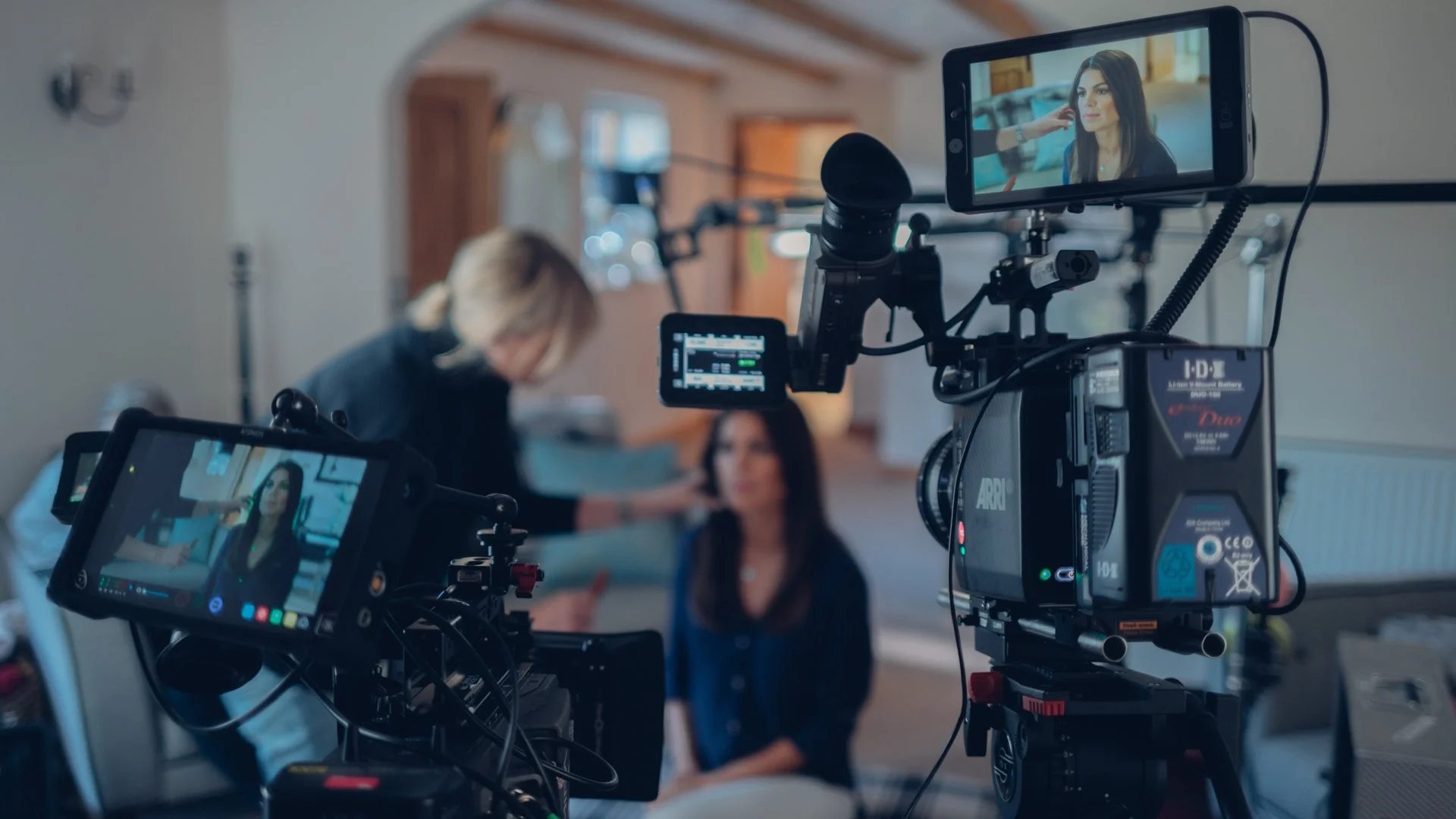
Interviews are the backbone of compelling storytelling, whether you're crafting a documentary, a promotional video, a podcast, or a news segment. They offer a unique window into personal experiences, expert insights, and emotional truths. However, a powerful interview isn't just about asking the right questions; it's about flawlessly capturing both the speaker's voice and their presence.
Poor sound or visuals can quickly undermine even the most profound conversation. Let's dive into the essential tips for mastering the art of the interview, ensuring your subjects look and sound their absolute best.
1. Master Your Audio: The Unsung Hero
It's often said that bad audio is far more distracting than bad video. Prioritizing sound quality will instantly elevate the professionalism of your interviews.
Microphone Choice is Crucial:
Lavalier Mics (Lavs): These small, clip-on microphones are fantastic for capturing clear, direct dialogue. They're discreet and ideal for isolating your subject's voice from ambient noise. Wired lavs are budget-friendly, while wireless options offer more freedom of movement.
Shotgun Mics: Mounted on a boom pole (held just out of frame, above the subject) or directly on your camera, shotgun mics are great for capturing sound from a focused direction. They can be useful when a lav isn't practical, or to capture a slightly more natural room tone with the voice.
Control Your Environment:
Choose a Quiet Location: Avoid noisy areas with traffic, air conditioning hums, or echoing spaces. A carpeted room with soft furnishings will absorb sound better than a large, empty room with hard surfaces.
Silence Background Noise: Turn off air conditioners, refrigerators, fans, and silence phones. Every little bit of extraneous noise adds up.
Monitor Your Sound: Always, always, always use headphones while recording. This is non-negotiable. Headphones allow you to hear exactly what your microphone is picking up – background hums, clothing rustles, or microphone crackles – so you can fix issues in real-time.
Set Your Levels (Gain Staging): Adjust your camera or audio recorder's input levels to ensure the audio isn't too quiet (requiring a boost in post-production, which introduces noise) or too loud (causing distortion, or "clipping"). Aim for levels that peak around -6dB to -12dB.
2. Crafting Compelling Visuals: Beyond Just Point-and-Shoot
While sound captures the message, visuals capture the essence and engage the viewer. Thoughtful visual composition enhances the interview's impact.
Framing Your Subject:
Rule of Thirds: Position your subject slightly off-center, along one of the grid lines (imagine a tic-tac-toe board on your screen). This creates a more dynamic and pleasing composition than placing them dead center.
Headroom & Lead Room: Leave a small amount of space above their head (headroom). If they're looking off-camera, leave more space in the direction they are looking (lead room) to give their gaze purpose.
Clean Backgrounds: Avoid distracting elements like clutter, bright windows blowing out the background, or objects that appear to sprout from your subject's head.
Lighting is Key:
Soft, Diffused Light: Harsh, direct light creates unflattering shadows. Use natural window light (avoid direct sun) or diffuse artificial lights with softboxes, umbrellas, or even a white bedsheet.
Three-Point Lighting (Basic):
Key Light: The main light source, placed slightly to one side of the camera and angled towards your subject.
Fill Light: A softer light (or reflector) placed on the opposite side to gently fill in shadows created by the key light.
Backlight (or Hair Light): A light placed behind and above your subject to create a subtle rim of light, separating them from the background and adding depth.
Eye Line & Gaze:
Off-Camera Gaze: For most interviews, have your subject look slightly off-camera, towards the interviewer. This creates a more natural and engaging feel, as if the audience is eavesdropping on a conversation.
Direct to Camera (Rarely): Only use direct-to-camera gaze if the subject is explicitly addressing the audience, like a direct appeal or a piece-to-camera.
Background Matters:
Depth: Create separation between your subject and the background. Use a wider aperture (smaller f-number) to achieve a blurred background (bokeh), making your subject stand out.
Interest, Not Distraction: Choose a background that hints at the subject's personality or topic but doesn't compete for attention. Avoid busy patterns or overly bright elements.
3. The Interviewer's Role: Beyond Technicalities
Even with perfect sound and visuals, a dull interview is still a dull interview. The interviewer plays a vital role in drawing out great content.
Preparation is Paramount: Research your subject thoroughly. Prepare open-ended questions that encourage detailed answers, not just "yes" or "no."
Build Rapport: Start with some light conversation before rolling the camera to help your subject relax and feel comfortable.
Listen Actively: Don't just wait for your turn to speak. Truly listen to their answers, allowing you to ask follow-up questions and delve deeper into interesting points.
Embrace Silence: Don't be afraid of pauses. Sometimes, a moment of silence after a question can encourage the subject to elaborate or offer a more profound thought.
Conclusion
Capturing a great interview is a blend of technical precision and empathetic human connection. By paying meticulous attention to sound quality, thoughtful visual composition, and skilled interviewing techniques, you'll be well on your way to crafting compelling stories that resonate. So, set up your gear, prepare your questions, and let the conversations begin!
Check out Buddisystems
Sign up for Buddisystems today and unlock a world of creative possibilities!