

Illuminate Your Indie Film: Brilliant DIY Lighting Hacks on a Budget
Written by: The Buddi Team
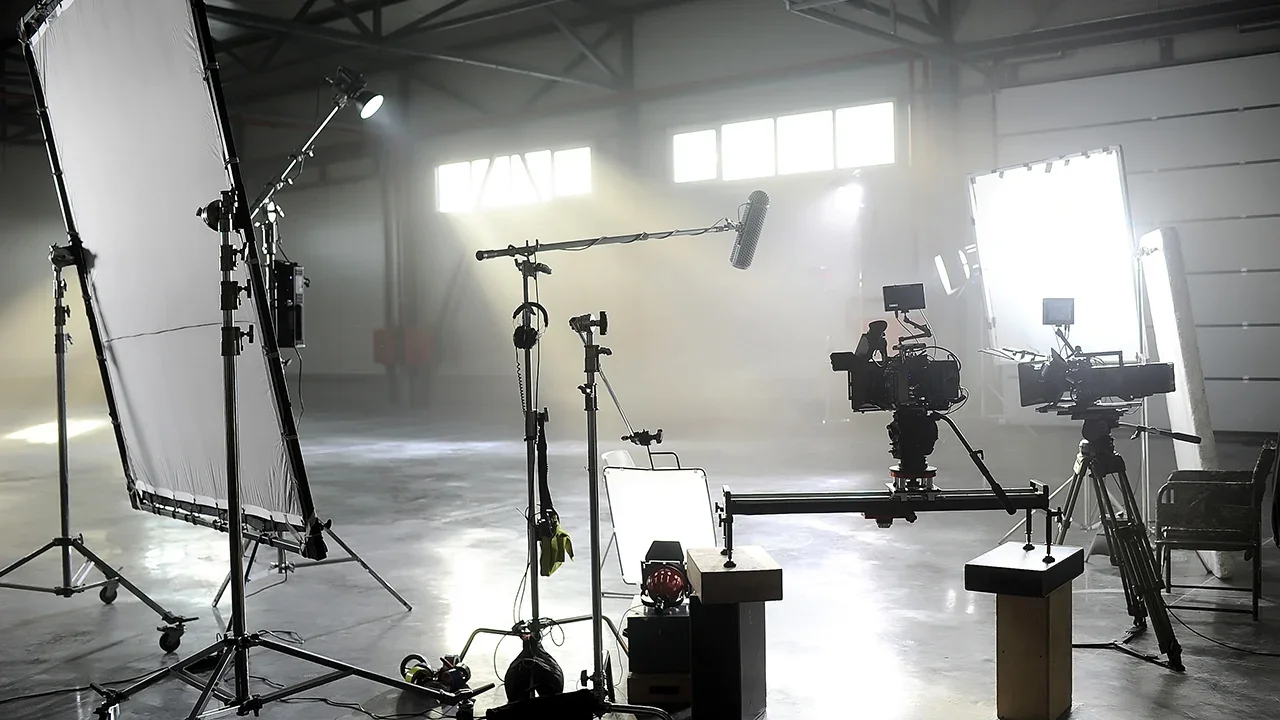
So, you're an independent filmmaker with a brilliant script, a passionate crew, and a shoestring budget. Sound familiar? While expensive gear often gets the spotlight, savvy indie filmmakers know that good lighting can elevate production value more than almost anything else. But what if a full lighting kit is out of reach?
Fear not! You don't need to break the bank to create cinematic lighting. With a little creativity, common household items, and an understanding of light, you can craft stunning visuals. Here are some essential DIY lighting hacks to help your indie film shine.
The Golden Rule: Understand Light First
Before you start raiding your pantry for diffusion materials, remember the basics of light:
Quality: Is it hard (direct, harsh shadows) or soft (diffused, gentle shadows)?
Direction: Where is the light coming from relative to your subject? (Front, side, back, top, bottom?)
Intensity: How bright is it?
Understanding these will guide your DIY choices.
1. Harness the Power of Natural Light
Your most powerful, cheapest, and often most beautiful light source is right outside!
Window Light: A large window can act as a massive, natural softbox. Position your subject facing the window for soft, even illumination. If the light is too direct, use sheer curtains or a white bedsheet (see diffusion below) to soften it.
Golden Hour: The hour after sunrise and the hour before sunset offer incredibly warm, soft, and flattering light. Plan outdoor scenes for this magical time. It's free, but fleeting!
2. Improvise with Household Lamps & Fixtures
Don't underestimate the lamps already in your home or easily found at a hardware store.
Desk Lamps/Floor Lamps: These can serve as practical lights within a scene (part of the set) or as off-camera fill or accent lights. Experiment with different bulb types (LEDs are energy-efficient and don't get as hot).
Clip Lights/Shop Lights: Affordable and powerful, these can be clamped onto stands, chairs, or anything stable. Just be mindful of heat with older incandescent bulbs. Pair them with diffusion!
Smart Bulbs: If you have any smart bulbs (Philips Hue, etc.), their ability to change color and brightness offers surprising versatility for mood lighting or colored accents.
3. DIY Diffusion: Soften That Harsh Light
Harsh, direct light creates unflattering shadows. Diffusion spreads the light, making it softer and more flattering.
White Shower Curtains: Sheer white shower curtains make excellent, large diffusers. Hang them over a window or in front of a bright lamp.
White Bed Sheets: Similar to shower curtains, a clean white bed sheet can soften light significantly.
Parchment Paper/Baking Paper: Great for diffusing smaller light sources or cutting to shape for more precise diffusion. Be careful with heat if used very close to hot bulbs.
Frosted Plastic: Many common household items or cheap plastic sheets can be used to diffuse light.
4. Reflectors: Bounce Light Where You Need It
Reflectors are crucial for bouncing light back onto your subject, filling in shadows without needing another light source.
White Foam Core/Poster Board: Inexpensive and highly effective for bouncing soft, even light. Available at any craft or office supply store.
Aluminum Foil (Wrinkled): Crinkle aluminum foil and then smooth it out over a piece of cardboard or foam board for a harder, more directional "specular" bounce.
Car Sunshades: Many collapsible car sunshades have a silver reflective side and a black side (for flagging/blocking light). They're portable and perfect for location shoots.
5. DIY Gels & Color Filters: Set the Mood
Want to add a splash of color to your scene or mimic different light sources (like moonlight or a warm sunset)?
Colored Cellophane/Party Gels: Cheap and comes in a variety of colors. Tape it carefully to the front of your light source (ensure it's not touching hot bulbs).
Colored Tissue Paper: Similar to cellophane, but often more diffuse.
Translucent Colored Plastic: Look around for colored plastic containers or folders that can be cut and taped.
6. Practical Lights: Integrating Lights into Your Scene
Using lights that are part of the set (lamps, neon signs, string lights) can add realism and depth without needing fancy equipment.
Table Lamps/Floor Lamps: Turn them on within the shot to motivate light on your actors.
Christmas Lights/Fairy Lights: Great for background bokeh or adding a festive, soft glow.
Computer/TV Screens: The light from a monitor or TV can be used as a soft, shifting light source on a character's face, especially for moody scenes.
Safety First!
When working with DIY electrical setups:
Beware of Heat: Incandescent bulbs get very hot. Keep flammable materials (diffusion, curtains) away from them. Use LED bulbs when possible, as they produce much less heat.
Secure Mounts: Ensure any clamped or propped lights are stable and won't fall.
Avoid Overloading Outlets: Be mindful of how many lights you plug into one circuit.
Get Creative & Experiment!
The beauty of DIY lighting is that it forces you to think creatively and understand the fundamental principles of light. Don't be afraid to experiment with different materials and techniques. Watch how light falls on your subjects, learn to shape shadows, and discover what simple hacks can do for your storytelling. Your next masterpiece might just be lit by a repurposed shower curtain!
Check out Buddisystems
Sign up for Buddisystems today and unlock a world of creative possibilities!