

The Rule of Thirds: The "Secret Sauce" of Great Composition
Written by: The Buddi Team
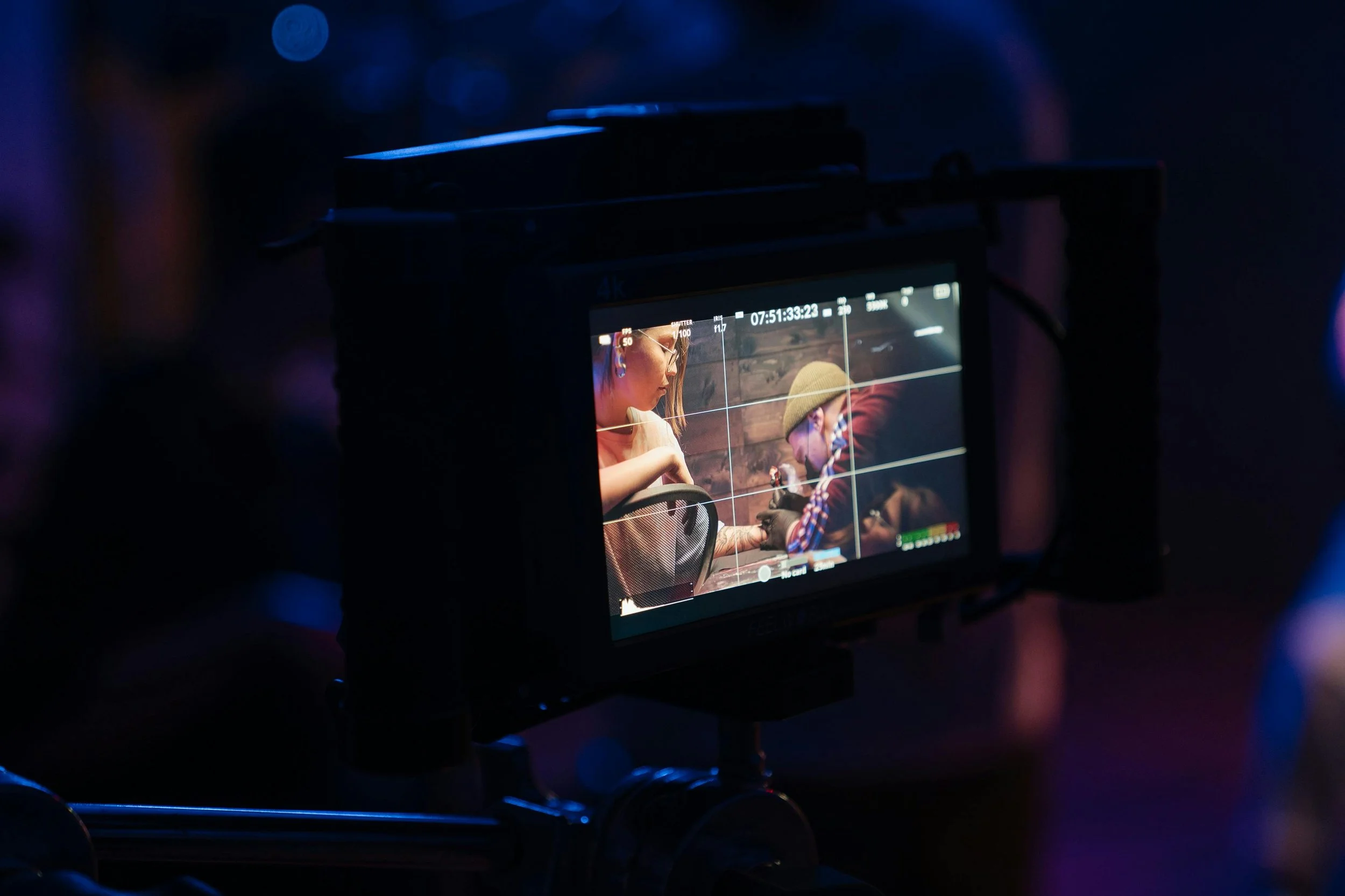
Have you ever looked at a photo or a film frame and felt like it just worked, even if you couldn't explain why? More often than not, the secret behind that professional "feel" is a simple yet powerful technique called The Rule of Thirds.
Whether you are shooting a high-budget commercial, a landscape photo, or a quick Reel, understanding this fundamental rule is the fastest way to take your visuals from amateur to intentional.
What is the Rule of Thirds?
The Rule of Thirds is a compositional guideline that suggests an image should be imagined as divided into nine equal parts by two equally spaced horizontal lines and two equally spaced vertical lines.
Imagine a 3x3 grid (like a tic-tac-toe board) overlaid on your viewfinder. The theory is that if you place your most important elements along these lines or at the points where they intersect, your image will be more balanced, engaging, and natural to the human eye.
How to Use It Effectively
1. The Power Points (Intersections)
The four points where the vertical and horizontal lines cross are the strongest "sweet spots" of the frame.
Portraits: Align the subject’s eyes with the top-left or top-right intersection. This creates an immediate connection with the viewer.
Key Objects: If you’re filming a product, placing it at an intersection rather than dead-center adds a sense of "story" and movement.
2. The Horizon Line
Avoid placing the horizon line directly in the middle of the frame, which can make a shot feel "split" and static.
Focus on the Land: Align the horizon with the upper third line.
Focus on the Sky: Align the horizon with the lower third line to emphasize beautiful clouds or a sunset.
3. Lead Room and Look Room
When filming a person, place them on one of the vertical lines. If they are looking toward the right, place them on the left vertical line. This gives them "look room"—empty space to look into—which feels comfortable to the viewer. Placing them on the right while they look right makes the shot feel cramped and "trapped."
Why Does It Work?
The human eye doesn't naturally look at the dead center of an image first; it tends to scan the frame. By placing elements off-center, you create visual tension and interest. It encourages the viewer’s eye to move around the image, making the composition feel more dynamic and professional.
When to Break the Rule
In 2026, rules are meant to be understood so they can be broken with purpose.
Symmetry: Sometimes, placing a subject exactly in the center (think Wes Anderson films) creates a sense of power, formality, or unease.
Extreme Close-Ups: When the detail is the only thing that matters, the grid can take a backseat.
💡 Quick Tip for Creators
Most cameras and smartphones (iPhone and Android) have a "Grid" setting in the camera menu. Turn it on! Having that visual guide while you shoot will train your eye to see the world in thirds until it becomes second nature.
Final Takeaway
The Rule of Thirds isn't a strict law, but a reliable foundation. Use it to find balance, create energy, and guide your audience exactly where you want them to look.

Check out Buddisystems
Sign up for Buddisystems today and unlock a world of creative possibilities!