

The Vibrant World of Film: How Color Transforms Cinema
Written by: The Buddi Team
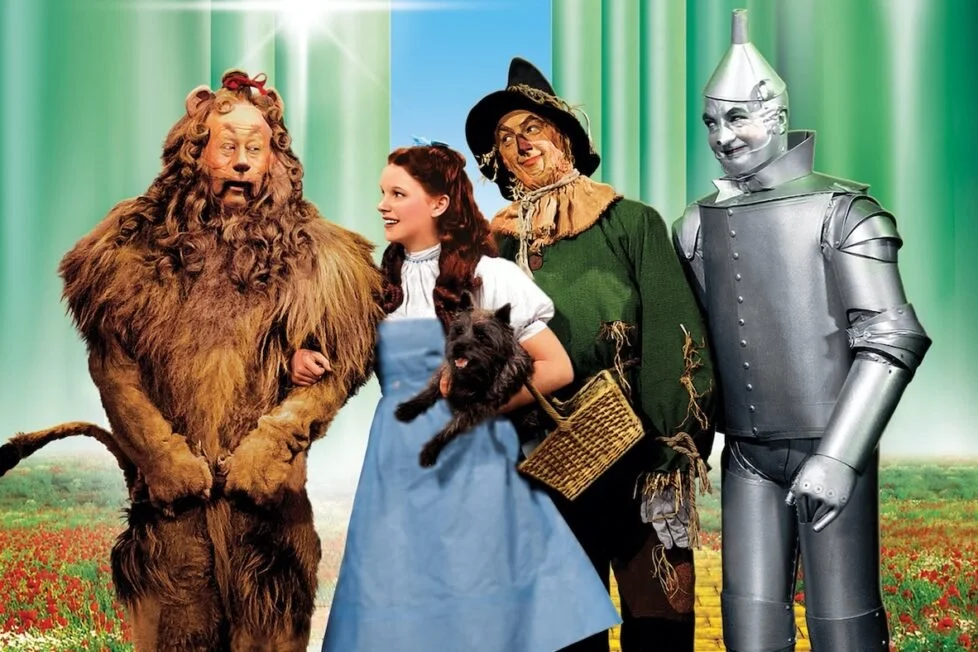
Imagine watching "The Wizard of Oz" in black and white. Hard to fathom, right? The vibrant yellow brick road, the emerald city, and the lush landscapes would lose their magical charm. Color in film isn’t just a visual enhancement—it’s a storytelling tool that can evoke emotions, define characters, and immerse viewers in a film’s world. Let’s embark on a colorful journey through cinema’s history, exploring how the use of color has evolved and why it plays such a pivotal role in film today.
A Burst of Color: The Early Days
Color in film might seem like an obvious feature now, but it wasn’t always that way. Early films were silent and black-and-white, capturing the world in shades of gray. The first use of color in films was achieved through a variety of techniques, but it wasn’t until the late 1920s and early 1930s that color began to take center stage.
One of the earliest successful color processes was Technicolor. Introduced in the 1930s, Technicolor revolutionized the film industry by adding a vibrant spectrum to the screen. The process involved filming with three strips of color film—one for red, one for green, and one for blue—before combining them into a single frame. This technique was used in the classic film "Becky Sharp" (1935), which was the first full-length feature shot entirely in Technicolor. The film’s rich colors were groundbreaking at the time, though it wasn’t until "The Wizard of Oz" (1939) that color truly began to captivate audiences.
Color as Character: Defining Emotions and Themes
The introduction of color didn’t just change the way films looked; it transformed how stories were told. Color can be a powerful storytelling device, subtly influencing how we perceive characters and emotions.
Consider "The Shining" (1980), directed by Stanley Kubrick. Kubrick’s use of color in the Overlook Hotel is both mesmerizing and unsettling. The iconic use of red in the “Here’s Johnny” scene amplifies the intensity and danger, creating a palpable sense of dread. The hotel’s cold, eerie corridors and the vivid, unsettling patterns on the carpets add to the film’s psychological horror, making color an integral part of the atmosphere.
On a different note, Wes Anderson’s films are known for their distinct color palettes. In "The Grand Budapest Hotel" (2014), Anderson uses pastel colors and symmetrical compositions to create a whimsical and nostalgic feel. The vibrant pinks, purples, and blues in the film not only establish its unique visual style but also enhance the story’s fairy-tale quality.
Color as Symbolism: Adding Depth to Narratives
Color in film is often used symbolically, providing deeper layers of meaning to narratives. In "Schindler’s List" (1993), Steven Spielberg famously uses color sparingly. The film is primarily in black-and-white, but the red coat of a young girl stands out starkly. This subtle use of color serves as a poignant symbol of innocence amidst the horrors of the Holocaust, making the film’s emotional impact even more profound.
Similarly, in "American Beauty" (1999), director Sam Mendes uses color to symbolize different themes and character states. The color red appears frequently, representing both desire and violence. The red roses that feature prominently in the film are a visual metaphor for the main character’s struggle with his own desires and disillusionment with suburban life.'
Color in Modern Cinema: Technology and Creativity
Today’s films benefit from advanced digital technologies that offer an even broader spectrum of color and more precise control. Digital color grading allows filmmakers to tweak and perfect colors during post-production, creating specific moods and visual styles.
Take "La La Land" (2016), for example. Damien Chazelle’s musical extravaganza is a love letter to classic Hollywood, and its vibrant color scheme plays a crucial role. The film’s technicolor-inspired palette, with its bold, saturated hues, reflects the dreamy, romantic nature of the story. The iconic opening number on the freeway, filled with bright, cheerful colors, captures the optimism and energy of the film’s setting and characters.
Another modern masterpiece that utilizes color brilliantly is "Blade Runner 2049" (2017). Directed by Denis Villeneuve, the film uses a futuristic color palette to create a dystopian world that feels both alien and familiar. Neon lights and dark, moody tones dominate the film’s visual landscape, emphasizing the contrast between the high-tech world and the bleak reality of its inhabitants.
The Psychology of Color: Influencing the Audience
Color doesn’t just influence how we perceive characters and themes—it also affects our emotions on a psychological level. Filmmakers carefully select colors to elicit specific responses from the audience.
In "Her" (2013), directed by Spike Jonze, the film’s warm, pastel colors create a sense of intimacy and nostalgia. The soft hues reflect the protagonist’s emotional state and the film’s exploration of love and loneliness. The color palette reinforces the story’s emotional depth, making the audience feel more connected to the characters.
Conversely, in "The Matrix" (1999), the use of green filters creates a sense of artificiality and unease. The green tint is associated with the digital world within the film, contrasting sharply with the more natural colors of the real world. This clever use of color helps distinguish between the two realities and adds to the film’s overall sense of tension and disorientation.
Color as an Artistic Statement
Color in film isn’t just about realism or emotional impact; it’s also an artistic choice that reflects the director’s vision. In "Suspiria" (1977), directed by Dario Argento, the film’s use of bold, primary colors creates a surreal, dreamlike quality. The exaggerated color scheme enhances the horror elements and contributes to the film’s unique, stylistic approach.
Similarly, "The Fall" (2006), directed by Tarsem Singh, is renowned for its stunning use of color. The film’s vibrant visuals, shot in diverse locations around the world, contribute to its fairy-tale aesthetic. The rich, saturated colors help transport the viewer to a fantastical realm, making the film a visual feast for the eyes.
In Conclusion: The Power of Color
From its early days to its current digital sophistication, color has become an essential part of filmmaking. It enhances storytelling, evokes emotions, and adds depth to narratives. Whether through the vibrant Technicolor of "The Wizard of Oz," the symbolic use of red in "Schindler’s List," or the futuristic palette of "Blade Runner 2049," color plays a crucial role in shaping how we experience films.
As technology continues to advance, we can only imagine the new and innovative ways color will be used to tell stories. So the next time you watch a film, take a moment to appreciate the colors on screen. They’re not just for show—they’re a vital part of the cinematic experience, enriching our understanding and enjoyment of the stories we love.

Check out Buddisystems
Sign up for Buddisystems today and unlock a world of creative possibilities!