

Narrative vs. Documentary: Different Approaches to Storytelling
Written by: The Buddi Team
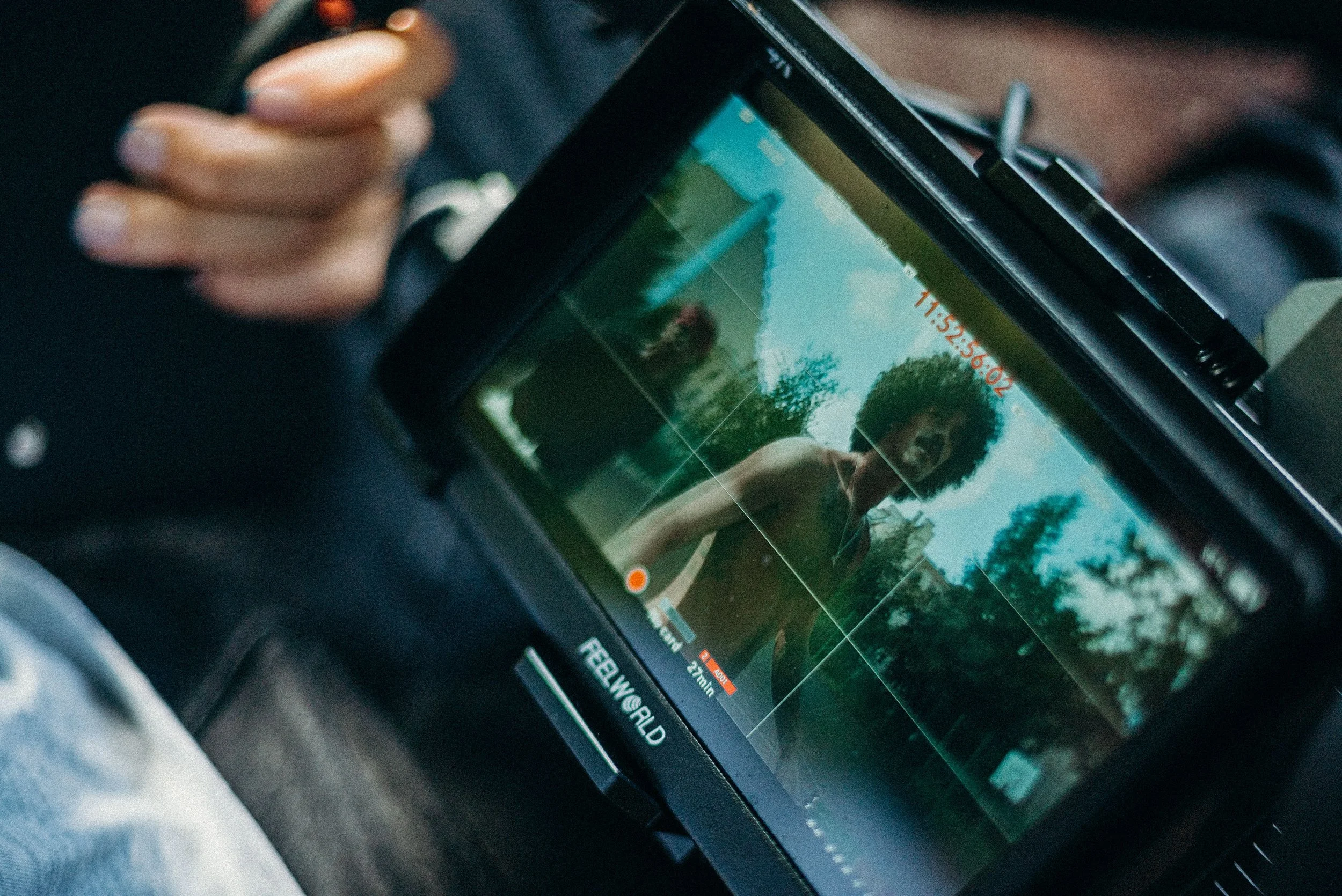
Whether capturing audiences through the meticulously constructed world of a scripted feature or the authentic, unscripted reality of a non-fiction film, motion pictures rely entirely on effective storytelling. While both narrative and documentary cinema aim to evoke emotion, provoke thought, and immerse viewers in a human experience, they operate through fundamentally different creative philosophies, production workflows, and ethics.
Understanding how narrative and documentary approaches differ allows filmmakers to choose the best vehicle for their voice and vision.
1. The Core Philosophy: Construction vs. Discovery
The central distinction between narrative and documentary filmmaking lies in where the story is born and how reality is treated.
Narrative (Script-First): Narrative filmmaking is fundamentally an act of construction. The story begins on the page as a script, complete with designated character arcs, dialogue, and precise plot beats. The director's objective is to take an imagined world and recreate it accurately in front of the lens.
Documentary (Edit-First): Documentary filmmaking is an act of discovery. While documentarians begin with a thesis, subject, or central question, the true narrative structure is rarely locked prior to shooting. The story emerges organically through real-life events, archival research, and interviews, often taking its final shape in the editing suite.
2. On-Set Execution: Total Control vs. Strategic Adaptation
On a narrative set, the filmmaker controls every variable to serve the script. On a documentary shoot, the filmmaker surrenders control to reality and must react in real time.
3. Truth, Ethics, and Manipulation
Both mediums manipulate reality to create cinematic engagement, but they do so under different audience contracts.
In narrative film, the audience agrees to a suspension of disbelief. The filmmaker can use special effects, stylized lighting, and dramatic performances without deceiving the viewer because the fictional premise is transparent from the start.
In documentary film, an unspoken ethical trust exists between the filmmaker and the audience. While documentary directors use narrative techniques—such as dramatic music, selective editing, and thematic pacing—they must respect the authentic truth of their subjects. Rearranging facts or taking quotes out of context can cross the line from artistic framing into misrepresentation.
4. The Editing Room: Execution vs. Authorship
In narrative cinema, editing is about execution and rhythm. The editor works from a predetermined blueprint, aligning footage with the script while fine-tuning performance takes, pacing, and visual continuity.
In documentary cinema, the editor is effectively a co-writer. Faced with dozens—sometimes hundreds—of hours of unscripted footage, the documentary editor must sift through raw real-world moments to find the emotional arc, structure key beats, and build a coherent narrative where no script existed.
Two Sides of the Same Lens
Despite their differences, narrative and documentary cinema frequently cross-pollinate. Modern narrative directors often adopt handheld, documentary-style camerawork to ground their fiction in gritty realism, while documentary directors use stylized lighting, reenactments, and three-act structures to make real-world topics feel like Hollywood blockbusters.
Ultimately, whether you are writing a fictional screenplay or following a real-life subject across the globe, the objective remains identical: utilizing sound, light, and human emotion to tell a story that resonates.
Check out Buddisystems
Sign up for Buddisystems today and unlock a world of creative possibilities!