

The Role of the Cinematographer: Beyond Point-and-Shoot
Written by: The Buddi Team
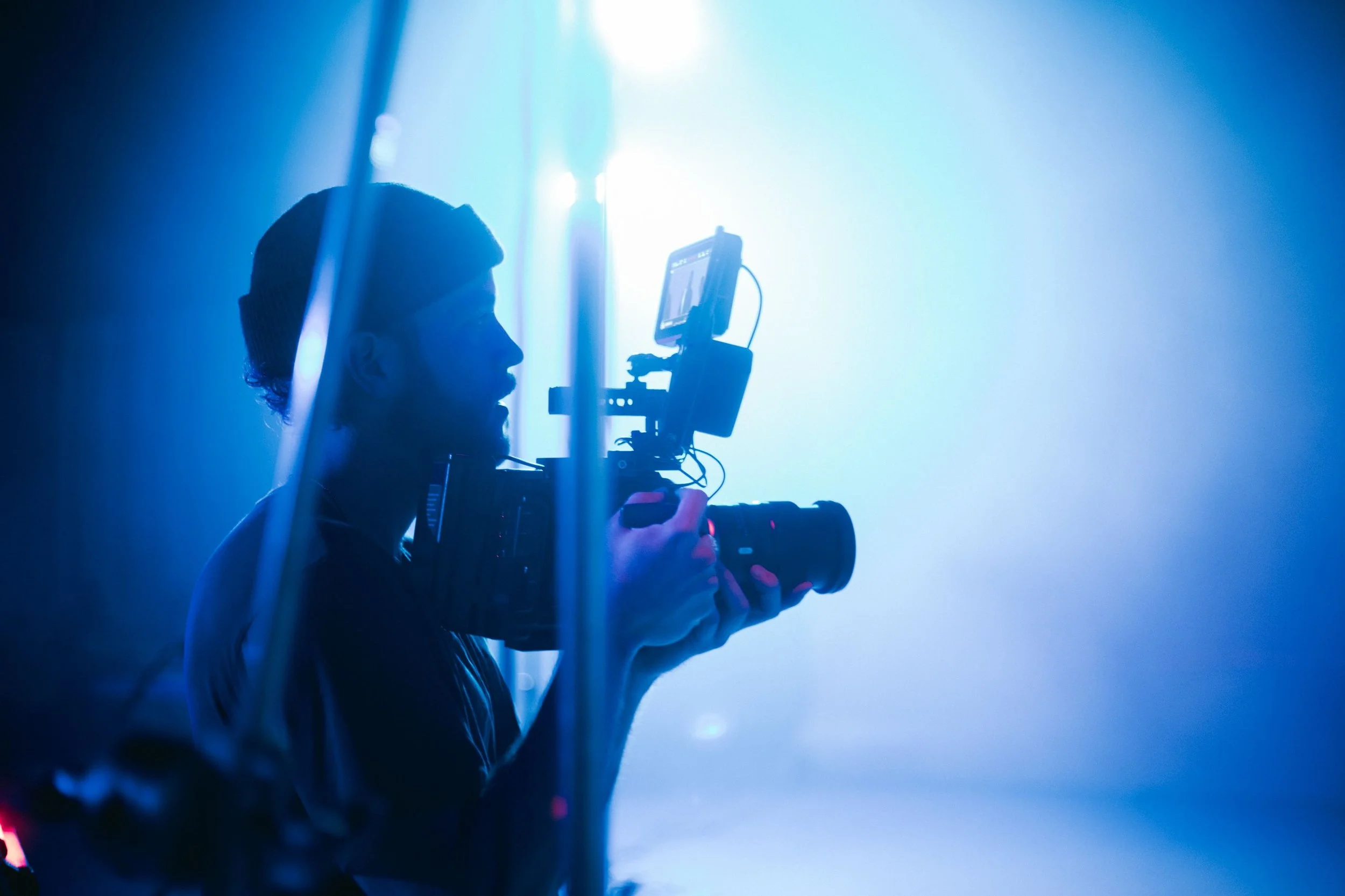
When audiences walk out of a cinema dazzled by a film, they often praise the director's vision or the lead actor's performance. Yet every frame, shadow, and color gradient that flashes across the screen was conceived and crafted by the Director of Photography (DP)—the cinematographer.
To the untrained eye, cinematography might look like pointing a high-end camera at an actor and pressing record. In reality, it is a complex balance of artistic philosophy, technical science, and team management designed to translate written emotion into visual language.
Here is a look at what the cinematographer actually does beyond "point-and-shoot."
Visual Storytelling: Translating Words into Mood
A director decides what happens in a scene, but the cinematographer decides how it feels. Before a single light is placed on set, the DP collaborates with the director to establish a visual grammar for the entire project.
Every technical decision carries narrative weight:
Framing and Composition: Placing a character small in the lower corner of a wide frame conveys isolation and insignificance, whereas tight, centered close-ups evoke claustrophobia or intimacy.
Camera Movement: A steady, slowly creeping camera builds understated tension, while handheld camera work creates urgency, chaos, or documentary-style realism.
Color and Texture: Choosing custom lens sets, color spaces, and lighting ratios shapes whether a world feels warm and nostalgic or cold, harsh, and clinical.
The Master of Light: Painting with Photons
If the director is the storyteller and the actors are the performers, the cinematographer is the painter—and light is their paint. Lighting is arguably the DP's most critical responsibility, as cameras do not see the world the way human eyes do.
A cinematographer must continuously manipulate light to direct the audience's eye, reveal character psychology, and establish time and space:
Key, Fill, and Backlight Ratios: High-contrast lighting with deep shadows (chiaroscuro) signals danger, ambiguity, or noir intrigue. Soft, diffused lighting creates beauty, safety, or romance.
Motivated Light: DPs ensure lighting feels grounded in the story's world—whether mimicking the harsh glare of a neon streetlight through a motel window or the warm, flickering bounce of a fireplace.
Practical Control: Managing hard sun, shifting cloud cover on location, or artificial studio setups requires immense foresight and exposure control.
Technical Mastery: The Science Behind the Art
Modern cinematography demands deep technical expertise. A DP must navigate an ever-evolving ecosystem of hardware, optics, and digital science:
Lens Selection: Lenses are the eyes of the film. Anamorphic lenses produce wide cinematic vistas, oval bokeh, and vintage flare, while crisp spherical lenses deliver hyper-real, modern clarity.
Sensor & Exposure Science: Balancing dynamic range, ISO noise thresholds, shutter angles, and color science ensures highlight details aren't blown out and shadow details aren't lost in the grade.
Camera Movement Systems: DPs must master tools ranging from fluid heads and traditional dollies to complex Steadicams, techno-cranes, and custom drone rigs to achieve deliberate spatial movement.
Managing the Machine: Departmental Leadership
Beyond art and optics, the cinematographer is the chief executive of two essential film departments: the Camera Department and the Lighting/Grip Department.
On a professional set, a DP doesn't work alone. They lead a vast team of specialists:
The Camera Operator: Manages physical movement and pan/tilt tracking during a take.
The First Assistant Camera (1st AC / Focus Puller): Responsible for keeping subjects sharp on moving camera runs, often down to fractions of an inch.
The Gaffer: The chief lighting technician who executes the DP's lighting strategy with large-scale power distribution and fixtures.
The Key Grip: Manages rigging, safety, and physical camera support structures (dollies, cranes, diffusion frames).
A DP must keep these departments synchronized to maintain strict shooting schedules without compromising the artistic vision.
The Invisible Hand of Cinema
When cinematography is done well, the audience shouldn't consciously notice the camera or the lighting setup. Instead, they should feel entirely immersed in the narrative reality unfolding before them.
The next time a scene leaves you holding your breath, remember that it wasn't just a coincidence caught on tape. Every highlight, lens choice, and camera tilt was deliberate—crafted by a cinematographer operating far beyond point-and-shoot.
Check out Buddisystems
Sign up for Buddisystems today and unlock a world of creative possibilities!