

Storyboarding 101: Visualizing Your Vision Before You Shoot
Written by: The Buddi Team
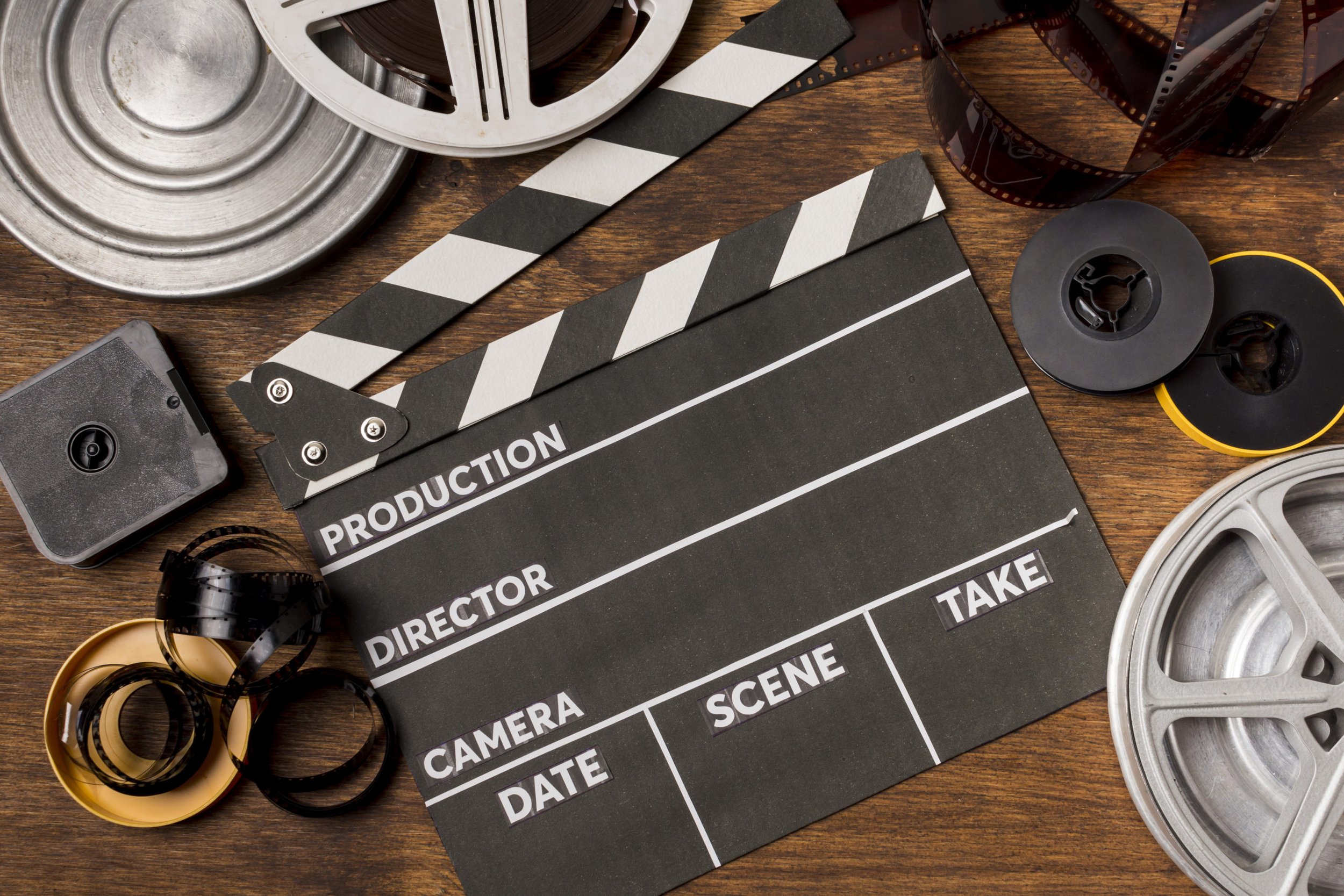
You've got a brilliant idea for a video – whether it's a short film, a commercial, a music video, or a YouTube series. But how do you take that spark of an idea from your mind and effectively communicate it to your team, or even just organize it for yourself? Enter the unsung hero of pre-production: the storyboard.
Think of a storyboard as a comic book version of your video. It's a sequence of drawings (or images) arranged in chronological order, showing how your film will unfold, shot by shot. Each panel illustrates a key moment, camera angle, character action, and even notes on sound or dialogue.
Why Storyboard? The Power of Pre-Visualization
Storyboarding isn't just for big Hollywood productions; it's an invaluable tool for any creator, especially beginners. Here's why:
Clarifies Your Vision: It forces you to think through every shot, transition, and scene well before you set foot on set. This helps solidify your creative vision and identify potential issues early on.
Saves Time and Money: Fixing mistakes on paper is far cheaper and faster than fixing them during filming. A clear storyboard means less wasted time, fewer reshoots, and a more efficient production day.
A Universal Communication Tool: Not everyone understands technical jargon or abstract descriptions. A visual blueprint allows your entire team – actors, cinematographers, lighting crew, editors – to be on the same page, literally, understanding exactly what you want.
Helps with Planning: From scouting locations to planning equipment needs and scheduling shooting days, your storyboard becomes a roadmap for logistics. It helps you create a detailed shot list.
Spot Problems Early: Does a sequence feel choppy? Is a character's motivation unclear? Does a camera angle convey the wrong emotion? Storyboarding helps you catch these issues before they become expensive problems.
How to Create a Storyboard (The Basics)
Don't worry, you don't need to be a professional artist! Stick figures and simple sketches are perfectly fine. The goal is clarity, not artistic masterpiece.
Tools You'll Need:
Paper & Pencil: The simplest way to start. You can print free storyboard templates online.
Whiteboard: Great for collaborative brainstorming.
Digital Software:
Free: Storyboarder, StudioBinder (online), Celtx (basic free version), or even presentation software like Google Slides/PowerPoint.
Paid/Professional: Adobe Photoshop (for drawing), Toon Boom Storyboard Pro (industry standard for animation).
Key Elements for Each Panel:
For each box or panel on your storyboard, include:
Shot Number: Helps with organization (e.g., "Scene 1, Shot 3").
The Drawing: A simple sketch showing:
The main action or character position.
The camera angle and framing (e.g., wide shot, close-up).
Basic background elements.
Camera Movement: Arrows to indicate camera movement (e.g., pan left, tilt up, zoom in, dolly forward).
Brief Description: A concise note explaining the action, character emotion, or key visual element.
Dialogue/Sound Notes: Any spoken lines, sound effects (SFX), or music cues relevant to that shot.
Time/Location (Optional but helpful): Day/Night, INT (Interior)/EXT (Exterior).
Tips for Effective Storyboarding
Start Simple: Don't try to draw every single frame. Focus on the key moments that drive the narrative or convey crucial information.
Emphasize Clarity Over Artistry: If your stick figures clearly show what's happening, that's all that matters. You're communicating, not creating fine art.
Consider the Frame: Draw within the aspect ratio you plan to shoot in (e.g., 16:9 for most video).
Think About Transitions: How does one shot lead into the next? Does it cut, dissolve, or wipe?
Don't Be Afraid to Revise: Storyboards are living documents. You'll likely change things as you go, and that's the whole point of doing it beforehand!
Include Only What's Necessary: Don't clutter your panels with too much detail. Keep them focused on the essential visual and narrative information for that specific shot.
Conclusion
Storyboarding is a small investment of time in the pre-production phase that yields massive returns during filming and editing. It's a creative playground where you can experiment, troubleshoot, and refine your vision without pressure. So, grab your tools, let your imagination flow, and start drawing your next masterpiece, frame by frame!
Check out Buddisystems
Sign up for Buddisystems today and unlock a world of creative possibilities!