

Your First Short Film: A Step-by-Step Guide
Written by: The Buddi Team
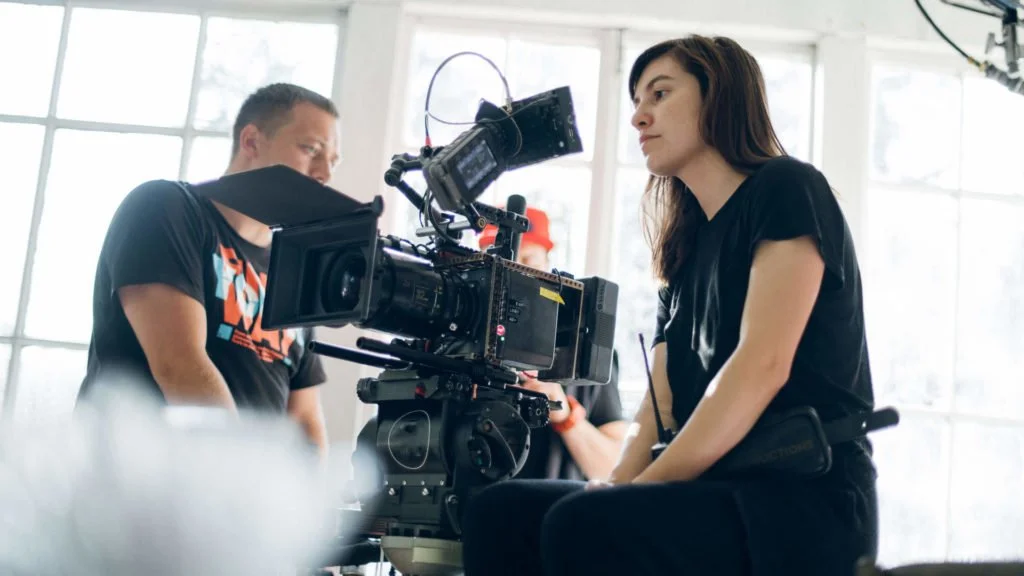
So, you've got a story burning inside you, a vision you're eager to bring to life on screen. The idea of making your very first short film can feel daunting, a massive undertaking with countless moving parts. But take a deep breath! Every great director started somewhere, and with a clear roadmap, your dream film is absolutely within reach.
This guide will break down the process into manageable steps, helping you navigate the exciting journey from concept to final cut.
Step 1: The Spark – Concept & Screenplay
Every film begins with an idea. What story do you want to tell?
Brainstorming: Don't censor yourself. Jot down every idea, no matter how wild.
The Logline: Can you summarize your film in one compelling sentence? This is crucial for clarity.
Developing Your Story: Flesh out your characters, plot points, and themes. What's the core message?
Writing the Screenplay: Format matters! Use screenwriting software (free options like Celtx or WriterDuet are great) to ensure industry-standard formatting. Focus on strong dialogue and clear action descriptions. For a short film, aim for something concise – maybe 5-15 pages to start.
Step 2: The Blueprint – Pre-Production Planning
Once your script is solid, it's time to plan how you'll make it. This is where most of the hard work happens, but it saves immense headaches later.
Storyboarding & Shot List: Visually map out your scenes shot by shot. This helps you figure out camera angles, movements, and what you need to capture. A detailed shot list ensures you don't miss anything on the day.
Budgeting: Be realistic. How much money do you have or need? List every potential expense: equipment rental, food, transportation, props, costumes, location fees, music licensing, etc.
Casting: Find your actors! Hold auditions, reach out to local theater groups, or use online casting platforms. Look for talent that not only fits the role but is also reliable and enthusiastic.
Location Scouting: Where will your film take place? Look for practical, visually interesting locations that enhance your story and fit your budget. Always secure necessary permits or permissions.
Gear List: What equipment do you need? Camera (your phone can be a powerful tool!), tripod, lighting kit, audio recorder, microphones, batteries, memory cards. Rent, borrow, or buy wisely.
Crew Assembly: You can't do it alone! Even for a short film, consider a small, dedicated team: a cinematographer, a sound recordist, a production assistant. Start with friends who are eager to learn and contribute.
Scheduling: Create a detailed shooting schedule. Break down scenes by location and cast availability. Factor in travel time, setup, and tear-down.
Step 3: Action! – Production (Filming)
This is where the magic happens – and often where the challenges arise. Stay flexible and keep a positive attitude.
Set the Scene: Arrive early, set up equipment, and prepare the location.
Directing Your Actors: Communicate clearly. Give them space to explore, but guide them to achieve your vision. Focus on performance first, then technicals.
Capture Quality Audio: Bad audio can ruin a great film. Use external microphones and monitor your sound levels constantly.
Efficient Shooting: Stick to your shot list, but be open to spontaneous ideas that enhance the scene. Get enough coverage (wide, medium, close-ups) for editing. Don't forget B-roll!
Troubleshooting: Be prepared for things to go wrong. Batteries die, lights fail, weather changes. Have backup plans and remain calm.
Keep Morale High: Making a film is hard work. Keep your cast and crew fed, hydrated, and motivated. Celebrate small victories!
Step 4: The Canvas – Post-Production
The raw footage is just the beginning. This is where your film truly takes shape.
Organize Your Footage: Label and categorize everything. A good organizational system saves hours.
Editing: Assemble your footage according to your script and vision. Focus on pacing, continuity, and emotional flow. Don't be afraid to cut what doesn't serve the story.
Sound Design: Clean up dialogue, add sound effects, and balance audio levels. This adds immense depth.
Music: Choose music that enhances the mood and rhythm of your film. Ensure you have the rights to use any music.
Color Grading: Adjust the colors and tones of your footage to create a consistent look and evoke the desired mood.
Titling & Credits: Create professional-looking titles and a comprehensive credit sequence for your team.
Review & Refine: Watch your film repeatedly, solicit feedback from trusted friends or mentors, and make final adjustments.
Step 5: Share Your Story – Distribution
You made a film! Now show it to the world.
Exporting: Export your film in appropriate formats and resolutions for different platforms (e.g., YouTube, Vimeo, film festivals).
Online Platforms: Upload to YouTube or Vimeo. Optimize your titles, descriptions, and tags for discoverability.
Film Festivals: Research local and international film festivals. Many have categories for short films and student work. Read submission guidelines carefully.
Social Media: Promote your film! Share trailers, behind-the-scenes content, and links to your finished work.
Making your first short film is an incredible learning experience. You'll face challenges, celebrate triumphs, and emerge with a deeper understanding of the filmmaking process. Don't wait for perfection – start with passion, learn as you go, and most importantly, have fun telling your story.

Check out Buddisystems
Sign up for Buddisystems today and unlock a world of creative possibilities!