

Demystifying the Production Pipeline: From Concept to Screen
Written by: The Buddi Team
Ever watched a movie or a captivating video and wondered how it all came together? The journey from a simple idea to the final product you see on screen is a fascinating and often intricate process known as the production pipeline. Think of it as a well-organized assembly line, with each stage playing a crucial role in bringing a creative vision to life.
For aspiring filmmakers, content creators, or even those just curious about the magic behind the screen, understanding this pipeline is key. It provides a framework, helps you anticipate challenges, and ensures a smoother, more efficient creative process. So, let's break down the essential stages of the video and film production pipeline:
Phase 1: Development (The Birth of an Idea)
This is where the seed of your project is planted and nurtured. It's the most creative and conceptual phase.
Concept Generation: It all starts with an idea! This could be a personal story, a client brief, an adaptation, or simply a visual that sparks your imagination.
Story Development: If it's a narrative project, you'll flesh out the plot, characters, and themes. For other types of content, you'll define the core message, target audience, and desired outcome.
Scriptwriting (if applicable): For films, TV shows, and some commercials, this involves writing the screenplay, including dialogue, action, and scene descriptions.
Pitching & Securing Funding (for larger projects): If you're seeking financial backing, you'll develop a pitch deck and present your project to potential investors or clients.
Phase 2: Pre-Production (Planning for Success)
This crucial stage lays the groundwork for a smooth and organized shoot. Think of it as building the foundation of a house.
Storyboarding & Visualisation: Creating visual representations of key scenes helps everyone understand the intended shots and flow of the video.
Location Scouting: Finding and securing the perfect filming locations. This includes obtaining permits if necessary.
Casting: Selecting the actors or on-screen talent.
Crew Hiring: Assembling your team – director of photography, sound recordist, production designer, etc.
Budgeting & Scheduling: Creating a detailed financial plan and a realistic timeline for the entire project.
Set Design & Props: Planning the visual elements of each scene, including set dressing and necessary props.
Costume Design: Designing and sourcing the wardrobe for the talent.
Shot Listing: Creating a detailed list of every shot you plan to capture on filming days.
Phase 3: Production (Bringing it to Life)
This is the exciting part where you actually roll camera and capture your footage.
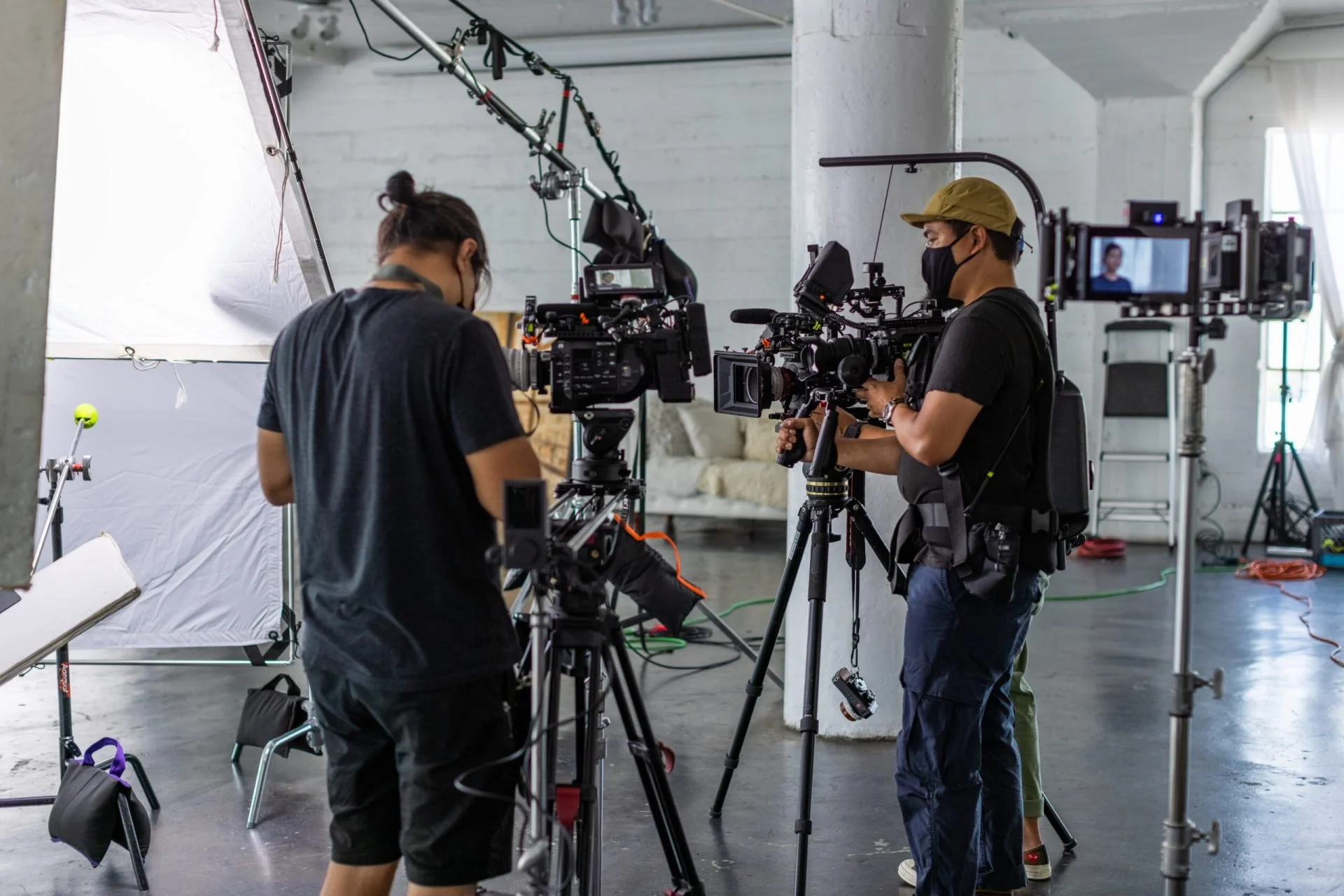
Filming: Executing the shot list, directing actors, operating cameras, and recording sound. This stage requires careful coordination and communication within the crew.
Lighting: Setting up and adjusting lights to achieve the desired look and mood for each scene.
Sound Recording: Capturing clear and high-quality audio, including dialogue and ambient sounds.
On-Set Management: Ensuring the smooth operation of the set, managing logistics, and keeping everyone on schedule.
Phase 4: Post-Production (Polishing the Gem)
Once filming is complete, the raw footage is transformed into the final product.
Editing: Selecting the best takes, arranging them in the desired sequence, and refining the pacing and flow of the video.
Sound Design & Mixing: Enhancing the audio with sound effects, music, and mixing all audio elements to create a cohesive soundscape.
Visual Effects (VFX): Adding computer-generated imagery or manipulating existing footage to create specific visual effects.
Color Correction & Grading: Adjusting the colors and tones of the footage to achieve a consistent look and enhance the visual storytelling.
Music Composition or Licensing: Creating original music or obtaining the rights to use existing music.
Titles & Graphics: Adding text overlays, lower thirds, and other visual elements.
Final Review & Export: Reviewing the completed video for any errors and exporting it in the required formats for distribution.
Phase 5: Distribution (Sharing Your Creation)
The final step is getting your video or film in front of its intended audience.
Online Platforms (YouTube, Vimeo, Social Media): Uploading and optimizing your video for online viewing.
Film Festivals: Submitting your film to relevant festivals for potential screenings and recognition.
Theatrical Release (for films): Securing distribution deals for cinema screenings.
Streaming Services: Licensing your content to platforms like Netflix, Amazon Prime Video, etc.
Client Delivery (for commercial projects): Providing the final deliverables to the client.
Understanding the production pipeline empowers you to approach your projects with greater clarity, efficiency, and confidence. Whether you're making a short film with friends, creating content for your brand, or dreaming of directing a feature film in Mandaluyong or beyond, knowing these steps will set you on the path to success.
Check out Buddisystems
Sign up for Buddisystems today and unlock a world of creative possibilities!